Vietnam GDP Hits 8.4% Amid Rising Inflationary Pressures
High-octane growth meets rising costs: Is Vietnam's 8% GDP surge a gold mine or an inflation trap?
Vietnam is riding a massive economic wave, with Q2 2026 GDP growth hitting a staggering 8.4%. While this expansion signals a booming manufacturing hub, it also brings inflationary pressure that could squeeze profit margins if not monitored carefully.
* Hyper-Growth vs. Price Stability: The jump from 7.9% in Q1 to over 8.3% in Q2 2026 is driving demand-pull inflation. * The "Tech Transition" Cost: Moving toward high-tech manufacturing is spiking wages for skilled engineers. * Monetary Tightening Risk: The State Bank of Vietnam (SBV) faces a delicate balancing act between prices and exports. * Supply Chain Shifts: As multinational corporations establish regional hubs, local rental costs are climbing rapidly.

Is the 8% GDP Surge Fueling an Inflationary Fire?
The Vietnamese economy is running hotter than ever. According to the General Statistics Office (GSO) of Vietnam's 2026 mid-year report, Q2 2026 saw GDP growth reach approximately 8.39%, a significant leap from the 7.8% recorded in Q1.
This acceleration is primarily fueled by a resurgence in manufacturing and heavy construction. However, for those watching the markets, these numbers are a double-edged sword. Rapid expansion often leads to excess liquidity.
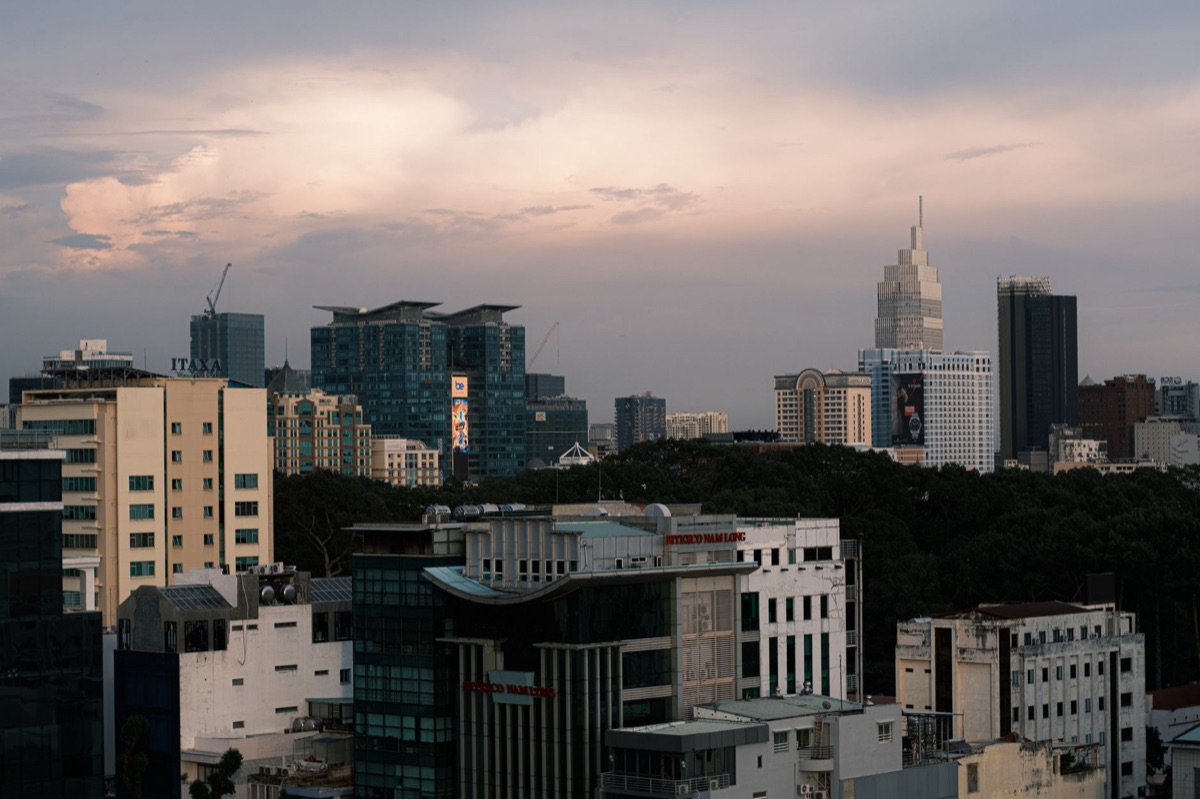
I was grabbing coffee near a financial hub in Ho Chi Minh City last month when a local analyst mentioned that while 8% growth is a dream for development, it's a nightmare for price stability. We are already seeing this in urban centers like Hanoi and HCMC.
Commercial rents and service costs are rising faster than the headline GDP. This means companies might see their top-line growth offset by ballooning operational expenses.

How the Shift to High-Tech is Rewriting Cost Structures
Vietnam is undergoing a fundamental identity shift. It is evolving from a "low-cost assembly" destination into a high-value technological powerhouse.
According to the World Bank's 2025 economic update, Vietnam is no longer just a place for cheap labor; it is becoming a critical node in the global high-tech value chain. This transition is creating what I call "technical inflation."
As companies move beyond textiles to semiconductors and R&D, the hunt for skilled engineers has sent wages skyrocketing. This isn't just a minor bump; it’s a structural shift in how much it costs to do business here.
| Feature | Old Model (Low-Cost Assembly) | New Model (High-Value Tech) | Inflationary Impact |
|---|---|---|---|
| Primary Industries | Textiles, footwear, basic electronics | Semiconductors, IT, R&D centers | Rapid wage growth for skilled labor |
| Supply Chain | Fragmented component imports | Integrated local ecosystems | Higher local operational costs |
| Labor Profile | Low-wage manual labor | High-skill engineers & managers | Rising service and professional costs |
While these rising costs might seem daunting, they represent a maturing economy. According to the Ministry of Planning and Investment's 2025 technology report, tech-driven revenue projections exceeded $206 billion, proving this is a permanent upgrade.
However, some analysts argue that if wage growth outpaces productivity gains too quickly, it could lead to stagflationary pressures in specific industrial zones.
Navigating Currency Volatility and Monetary Policy
When inflation starts to bite, all eyes turn to the State Bank of Vietnam (SBV). The central bank is currently walking a tightrope: they need to raise interest rates to curb inflation, but doing so could hurt export competitiveness.
For American investors holding international funds, currency risk is the silent killer. If the gap between domestic inflation and global trends widens too much, volatility will spike.
I recently spoke with a contact at an asset management firm in HCMC who noted that local institutional investors are aggressively adjusting their bond weightings every time there's a hint of an SBV rate hike. To manage this risk, you must track the USD/VND exchange rate on a weekly basis.

What Are the Hidden Drivers: Energy and Logistics?
Inflation in Vietnam isn't just about what people buy; it's about what it costs to make things. Because the economy is manufacturing-heavy, fluctuations in electricity prices have an outsized impact on the CPI.
As industrial zones expand to meet 2026 demand, the strain on the power grid has increased energy price volatility. Furthermore, as we move toward "smart logistics," initial capital expenditure for this infrastructure is being baked into costs.
The goal is that once these smart systems are fully operational, the improved logistics flow will eventually act as a deflationary force by lowering distribution costs long-term.
A Step-by-Step Guide to Analyzing Vietnam's Economic Data
If you want to stay ahead of the curve in this market, I recommend following this three-step analytical process:
- Cross-Reference Macro Indicators: Every month, compare the GSO’s CPI data against the GDP growth rate. If GDP is growing while CPI is accelerating disproportionately, expect tighter monetary policy.
- Segment Your Industry Exposure: Determine if your portfolio is "labor-intensive" or "tech-driven." For tech sectors, monitor wage growth indices rather than just general inflation.
- Decode Central Bank Signals: Don't just read headlines; look for specific language in SBV meeting minutes regarding "price stability" versus "growth support."






Comments 0