Vietnam youth skills training: How to bridge skill level gap
"A student sits before a glowing screen, typing code that connects a local village to a global marketplace."
Vietnam is actively reshaping its workforce through targeted educational reforms and digital integration. This transition focuses on expanding technical literacy and higher education access to meet the demands of a modern economy.
Key takeaways include the rise in internet connectivity, the expansion of school curricula to include information technology, and the significant growth in tertiary enrollment rates.
How is Vietnam building its digital foundation?
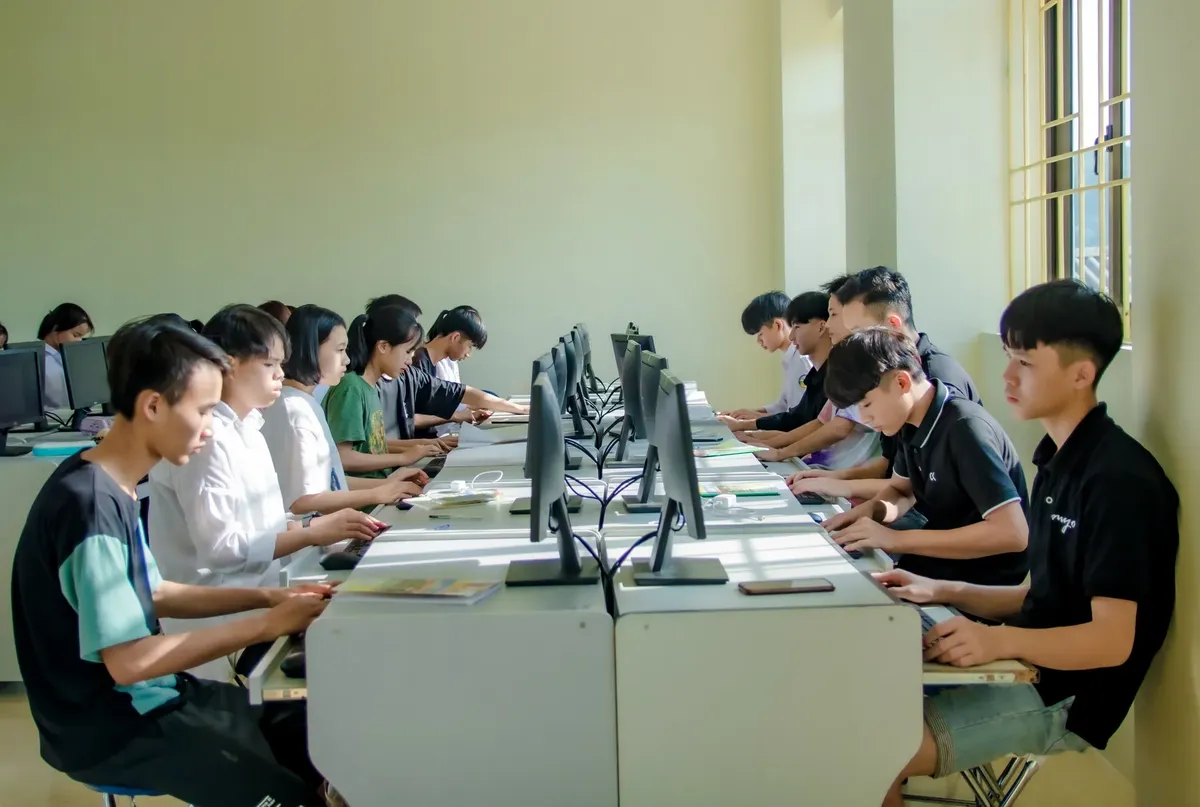
At dusk in a bustling tech hub, a developer's fingers dance across a keyboard as the cool glow of a screen illuminates their face in vietnam.
A young professional navigates a complex digital interface to manage international logistics. The foundation for future technical growth relies heavily on the widespread adoption of digital tools across the population.
According to World Bank data, Vietnam recorded a share of internet users of 84.2% in 2024. This high level of connectivity provides the necessary infrastructure for digital literacy and remote learning opportunities.
Such connectivity serves as a vital tool for Vietnam youth skills training in an increasingly interconnected world.
The digital landscape facilitates more than just communication; it drives economic shifts. In recent years, the manufacturing sector has seen a significant shift toward more sophisticated production methods.
This shift necessitates a workforce capable of handling advanced machinery and software.
What will I actually be learning? Vietnam youth skills training A teacher points to a tablet while explaining a science lesson to a group of attentive students. The educational framework is designed to introduce technical concepts at an early age to prepare students for future challenges.
The curriculum structure includes specific subjects meant to build a well-rounded foundation.
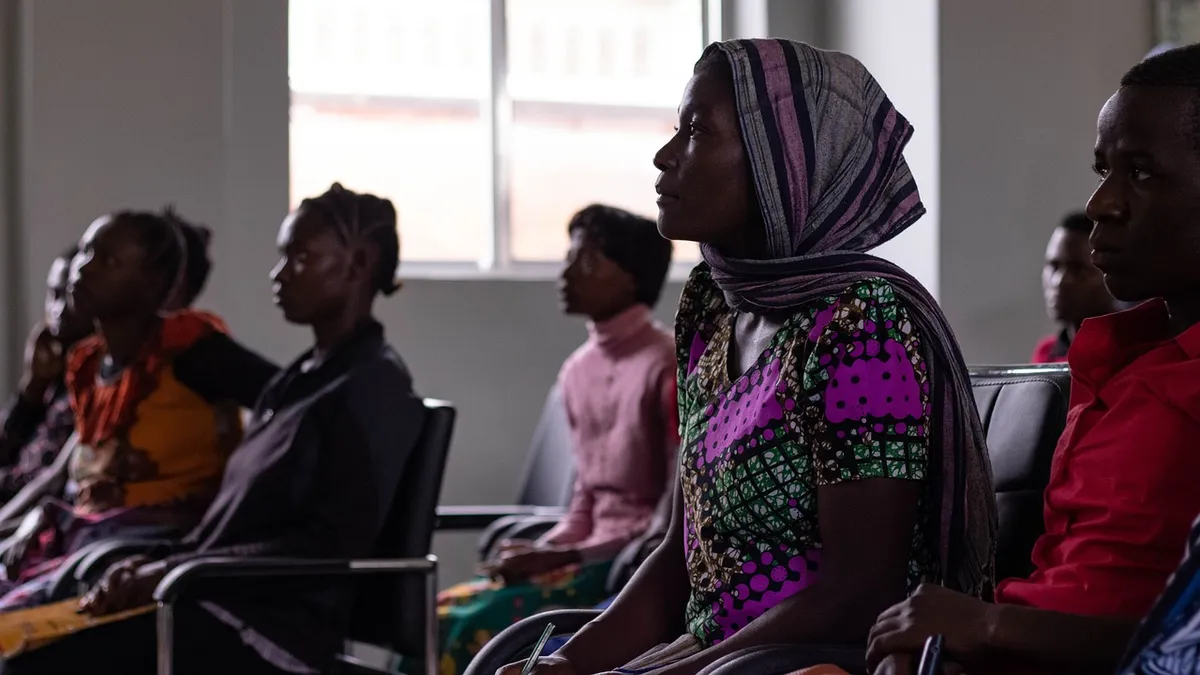
Phase 2 of the educational stages includes Grades 4 and 5 with 12 subjects: Vietnamese Language, Information Technology, Mathematics, Morality, Science (Nature and Society), History, Geography, Basic Techniques, Music, Arts, Physical Education and (since 2023) Experience Activities and Foreign Language.
This early exposure to information technology is a key component of youth capability building.
Standardized testing also plays a role in shaping the academic focus of the nation.
In previous years, the Ministry of Education and Training announced that for the 2017 graduation examination, five papers would be included: Mathematics, Literature, Foreign language, Natural Sciences, and Social Sciences.
These examinations ensure that students meet specific national standards before entering the workforce or higher education.
According to World Bank, the 2024 record includes 84.2%.
How has enrollment changed over time?
A student walks across a sprawling university campus, carrying books for a specialized degree. The shift from primary to higher education shows a long-term trend of increasing academic participation.
The historical data shows a massive expansion in access to higher learning. Tertiary enrollment rates were 3% in 1995 and then increased to around 30% by 2019. This growth reflects a significant investment in human capital over several decades.
This trend is essential for fostering digital skills for young people who will lead the economy.
While enrollment has grown, the diversity of the student body remains a factor in educational planning.
This high primary enrollment provides a large pool of potential candidates for future technical training.
How do I move forward in my studies? A student carefully follows a checklist of requirements to ensure all graduation criteria are met. Moving through the education system requires meeting specific milestones to progress toward professional life.
The progression generally follows these structured stages:
- Completion of primary education to establish basic literacy and numeracy. 2. Transition through secondary education to specialize in various academic or technical tracks. 3. Enrollment in tertiary institutions to gain professional expertise.
A final check of academic records ensures that all subject requirements, such as those involving mathematics and foreign languages, are satisfied. This systematic approach to education is central to the national development plan.
Is there a gap in skill levels?
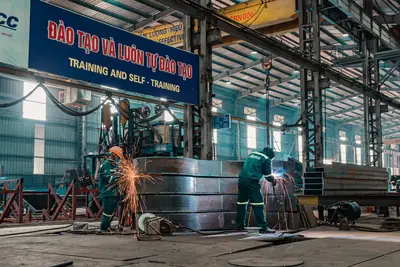
An apprentice watches a mentor operate a piece of high-precision equipment in a workshop. While access to education has increased, the transition to the professional world presents unique challenges.
The relationship between education and employment is complex. While many graduate, the level of practical readiness can vary. For example, while primary completion rates for certain groups reached 86%, the rate for ethnic minority children was 61%.
This disparity highlights the need for more inclusive technical education.
The goal of modernizing youth education is to bridge the gap between classroom learning and industrial needs. Addressing these differences is vital for the success of the future workforce.
- How is Vietnam building its digital foundation?
- What does the school curriculum look like?
- How has enrollment changed over time?
The same subject is also called Tech education for youth.
The same subject is also called Vietnam skills programs.
The same subject is also called Future workforce training.
This part also covers National youth development plan.
Modernizing youth education
Related





Comments 0