Energy demand shifts reveal Vietnam renewable energy hurdles
"The transition to cleaner energy sources requires balancing growing domestic demand with existing infrastructure constraints."
Vietnam faces complex hurdles in its transition to sustainable power, balancing a growing economy against legacy fuel dependencies. This analysis explores the tension between rising coal use and the potential for renewable expansion.
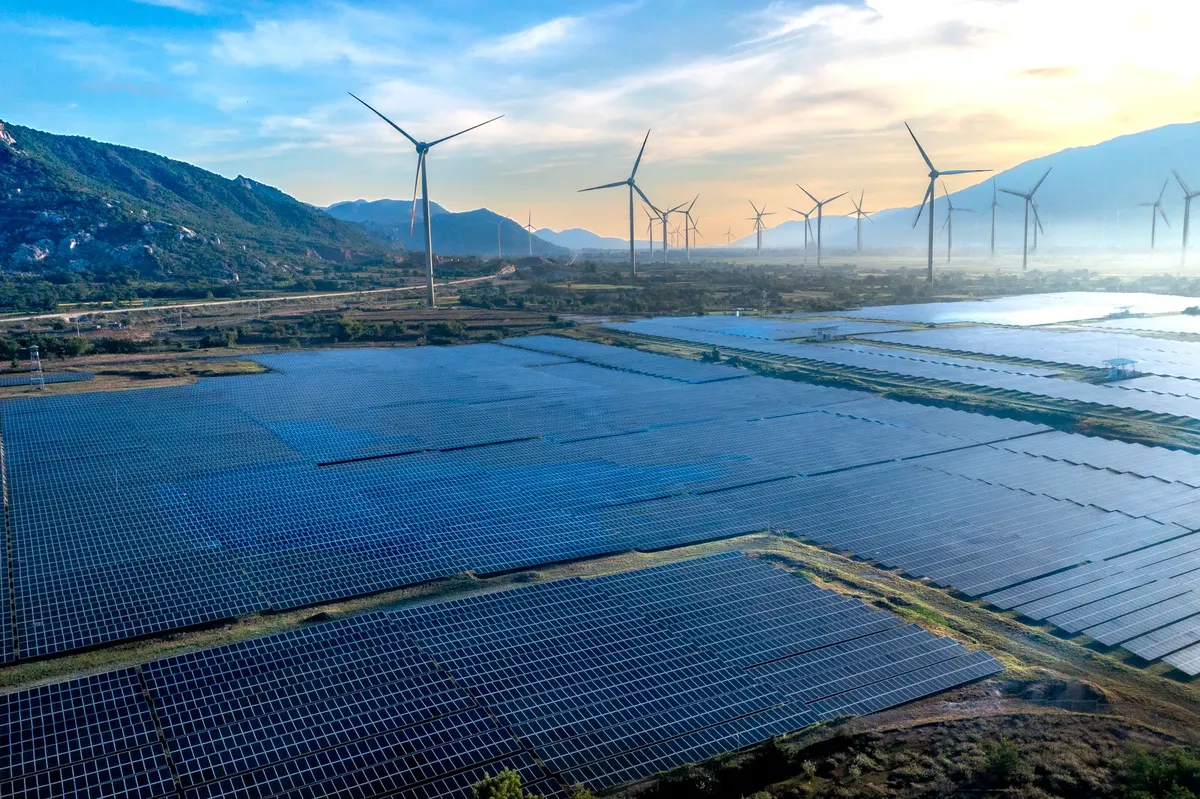
Key takeaways include the heavy reliance on coal for generation, the shifting balance of oil imports and exports, and the massive technical potential of offshore wind.
How does the current energy mix look?
At dusk, the technician wiped sweat from her brow while staring at the flickering dials that revealed a heavy reliance on coal for energy.
A technician monitors the dials on a control panel, noting the heavy reliance on traditional fuels to keep the lights on. Despite efforts to diversify, the energy landscape remains heavily weighted toward fossil fuels to meet rising demand.
According to World Bank data, Vietnam recorded a renewable energy share of final consumption of 24.2% in 2021. While this indicates progress, the reality of the current generation mix remains centered on coal.
In 2021, coal accounted for about 30% of installed capacity and 47% of electricity generation. This heavy reliance creates a significant baseline that complicates the integration of intermittent renewable sources.
What are the risks of greenhouse gas emissions? Vietnam renewable energy hurdles
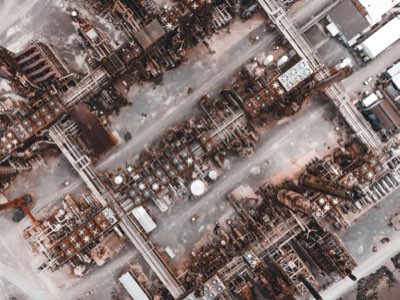
An engineer looks out over a sprawling industrial complex, where smoke rises into the atmosphere as energy-intensive processes continue. The environmental cost of energy production is a central concern for global climate targets.
According to research from the International Energy Agency (IEA), the process of using energy causes GHG emissions to account for the largest proportion, about 60% of global GHG emissions annually. Vietnam's transition strategy must address these emissions while managing its domestic energy needs.
The goal is to mitigate these impacts while shifting away from high-emission fuels.
According to World Bank, the 2021 record includes 24.2%.
How has coal usage changed over time?
A worker watches a coal shipment arrive at a terminal, noting the steady stream of fuel required for the nation's power plants. The shift in fuel types reveals a significant change in the regional energy landscape.
Vietnam experienced the fastest growth in coal use in Southeast Asia during the period of 2011-2021, with an annual growth rate of 11%. This trend highlights the difficulty of pivoting away from established fuel sources.
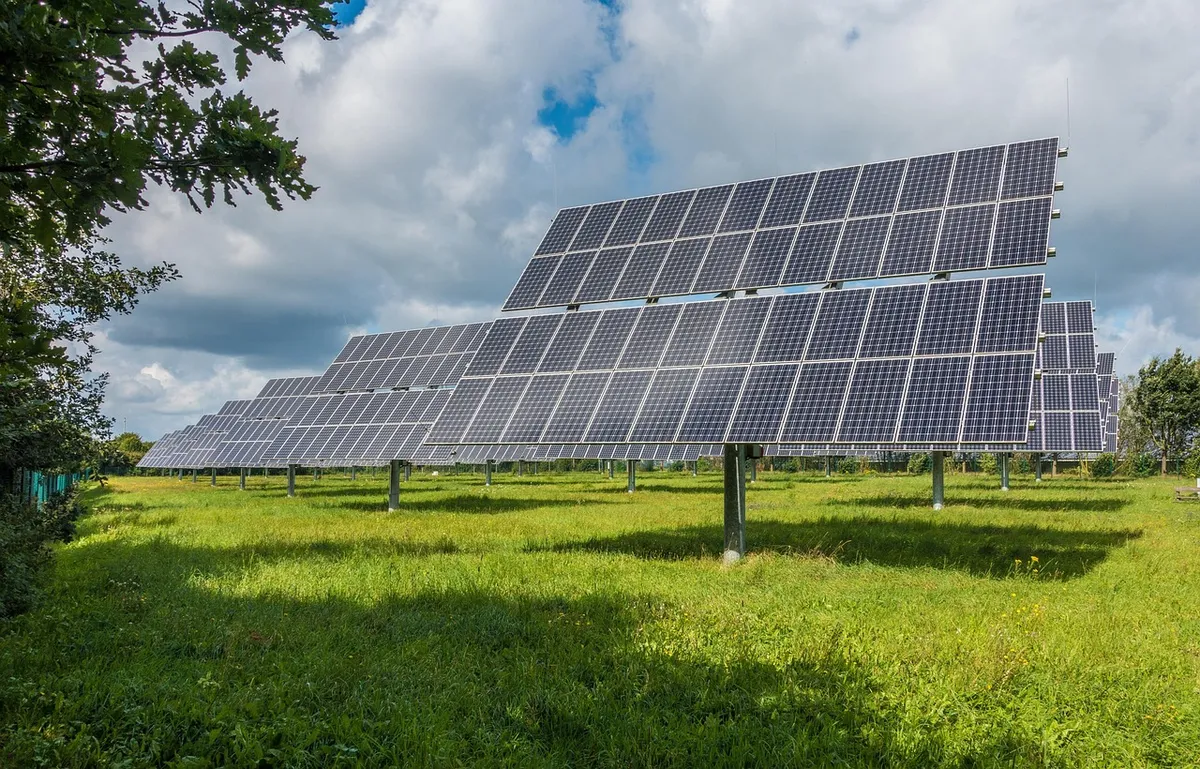
Managing this growth is a primary challenge for Vietnam renewable energy hurdles.
What are the challenges with oil and fuel supplies?
A logistics coordinator reviews shipping manifests, noting the dramatic shift in crude oil movements between years. The changing balance of oil trade reflects a shifting energy security landscape.
In 2018, the whole country exported 3.96 million tons of crude oil, which was a 41.8% decrease from 2017 and less than half of the annual exports seen during the 2012–2017 period.
Meanwhile, imports reached 5.17 million tons, which was more than 4 times the figure of 1.18 million tons in 2017 and 7 times more than the annual import figure for the period of 2012–2017. These fluctuations illustrate the volatility of oil-based energy security.
What is the potential for renewable expansion?
A surveyor stands on a coastal cliff, looking out at the vast ocean where wind turbines could potentially be placed. The sheer scale of available natural resources offers a different path for the energy sector.
Vietnam has the ASEAN largest offshore wind power potential, with over 470 GW technical potential in 200 km of the coast, which is about 6 times the country's installed capacity of 2022. This capacity could address Vietnam green energy challenges if infrastructure can be developed.
Additionally, the total hydro-power capacity of the country is about 35,000 MW, with 60% of that capacity concentrated in the North.
How do consumption patterns affect policy?
A resident turns on an appliance in a modern apartment, reflecting the changing way energy is used in the home. As the economy evolves, the distribution of energy demand shifts across different sectors.
In 2006, the residential and industrial sectors took the largest percentage parts at 41% and 32%, respectively. By 2015, the industrial sector had the highest share at 43%, while the residential section saw a reduction to 27% of energy demand.
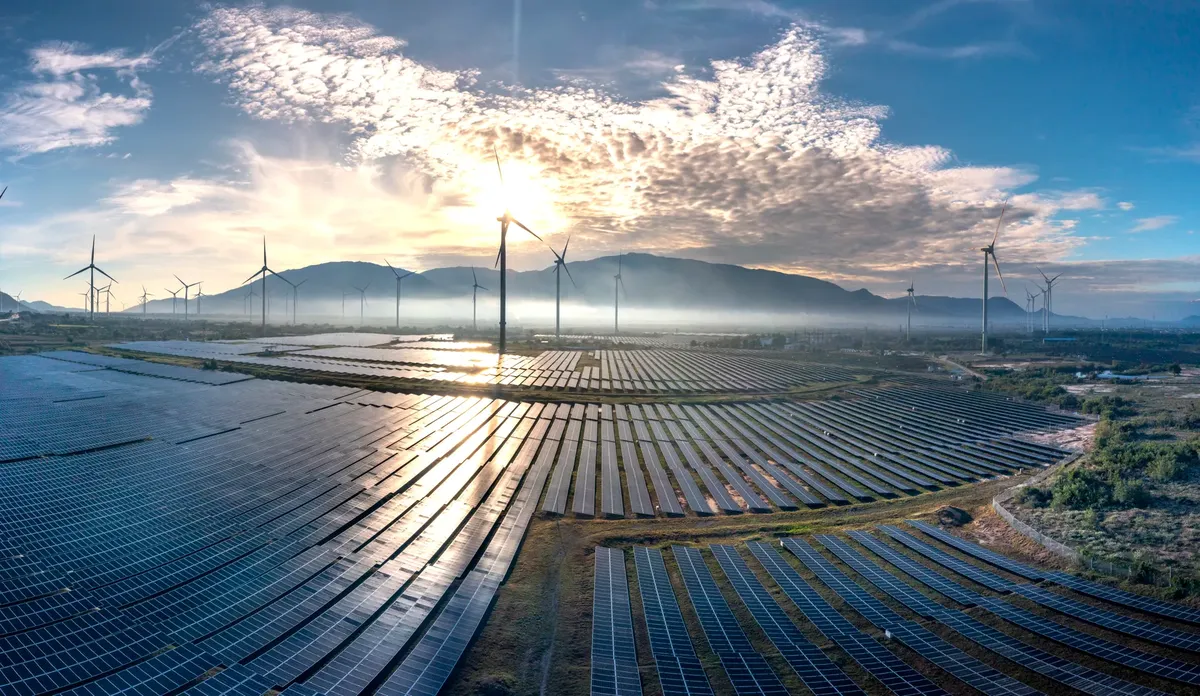
This shift toward industrial use complicates solar power adoption issues. The demand for electricity must be met through more stable and scalable methods.
- How does the current energy mix look?
- What are the risks of greenhouse gas emissions?
- How has coal usage changed over time?
The same subject is also called Renewable energy policy limits.
The same subject is also called Vietnam environmental goals.
This part also covers Grid integration renewable Vietnam.
This part also covers Policy barriers clean energy.
This part also covers Investment risks green power.
Grid integration renewable Vietnam
Related
- What are the extreme temperature shifts to watch for?
- Vietnam weather Oct 21: Why sudden changes occur
What are the constraints on the transition to cleaner energy sources? 1. Infrastructure limitations complicate the integration of intermittent renewable sources, given the existing heavy reliance on coal generation. 2. The evolving consumption patterns, where the industrial sector holds a high share of energy demand, affect the feasibility of solar power adoption. 3. The volatility observed in crude oil imports and exports presents a challenge to maintaining consistent energy security during the transition.
The need to balance growing domestic demand with existing infrastructure constraints defines the current hurdles. The transition to cleaner energy sources requires careful management of these interconnected factors.
The shift in energy demand, particularly the industrial sector's increasing share, necessitates more stable power generation methods. This condition impacts how effectively intermittent renewable sources can be incorporated into the grid.
Managing the fluctuating oil trade illustrates a condition of energy security vulnerability that must be addressed alongside the pursuit of cleaner energy sources.





Comments 0