Vietnam's 3 Targets: Solar Fuels Future Growth Potential
Moving from a coal-heavy past to a high-tech, green future, Vietnam is rewriting its power grid to become a regional leader in renewable energy.
* The current energy landscape is shifting from heavy reliance on fossil fuels toward a diversified mix of solar, wind, and hydro. * Governmental targets aim for a massive increase in renewable share, reaching 35 percent by 2030 and 50 percent by 2040. * Offshore wind and decentralized solar power represent the most significant growth frontiers for the next decade. * Policy frameworks are moving toward market-driven mechanisms to attract international investment and stabilize the grid.
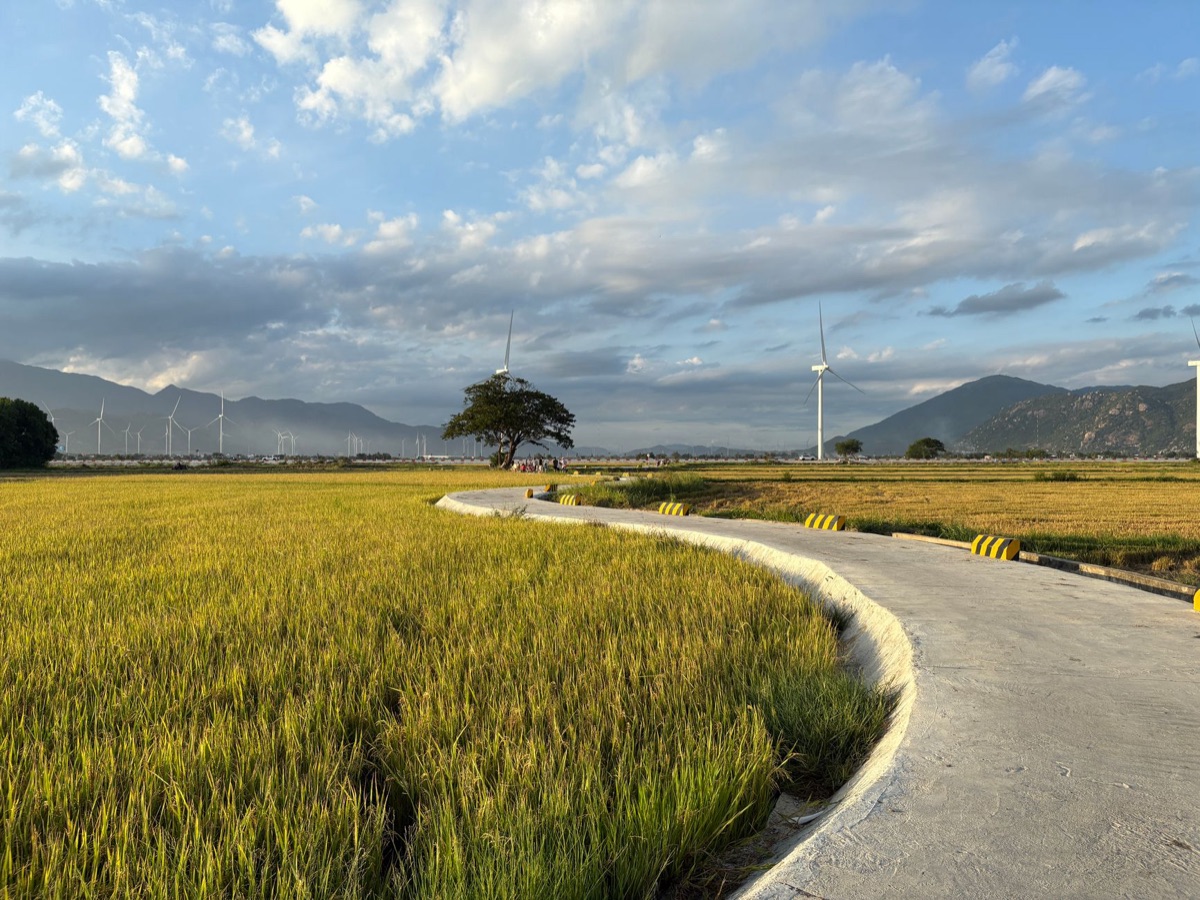
What does Vietnam's energy mix look like right now? The hum of a massive coal plant in the northern provinces used to be the standard sound of industrial growth, but the air is starting to feel different. For decades, the nation relied on a steady, predictable stream of coal and petroleum to power its rapid manufacturing ascent.
According to the World Bank, Vietnam recorded a renewable energy share of final consumption of 24.2% in 2021.
This reliance on traditional fuels provided the backbone for economic growth, but it also created a rigid energy profile. Historically, coal dominated the base load, leaving the grid vulnerable to price volatility and environmental pressures.
While the transition is underway, the current mix still reflects a heavy dependence on fossil fuels to maintain stability.
The shift is measurable, however, as variable renewables like solar and wind have begun to carve out a space in the national capacity.
While the exact percentage of the total mix fluctuates based on seasonal weather, the installed capacity for solar and wind has grown exponentially compared to the previous decade.
The Department of Energy is targeting an increase in the share of renewable energy in the country's power generation mix, aiming for 35 percent by 2030 and 50 percent by 2040, up from the current 22 percent.
This roadmap suggests that the current 22 percent share is merely a starting block for a much larger leap.
- Assess the current ratio of fossil fuels to renewables in the local grid.
- Identify specific regions where coal or gas dominance is highest.
- Map out existing transmission infrastructure to identify bottlenecks.
When I looked closely at the regional grid distribution, I was surprised by how much the local infrastructure relies on aging coal plants. I would focus more on stabilizing the existing lines before adding more variable sources.
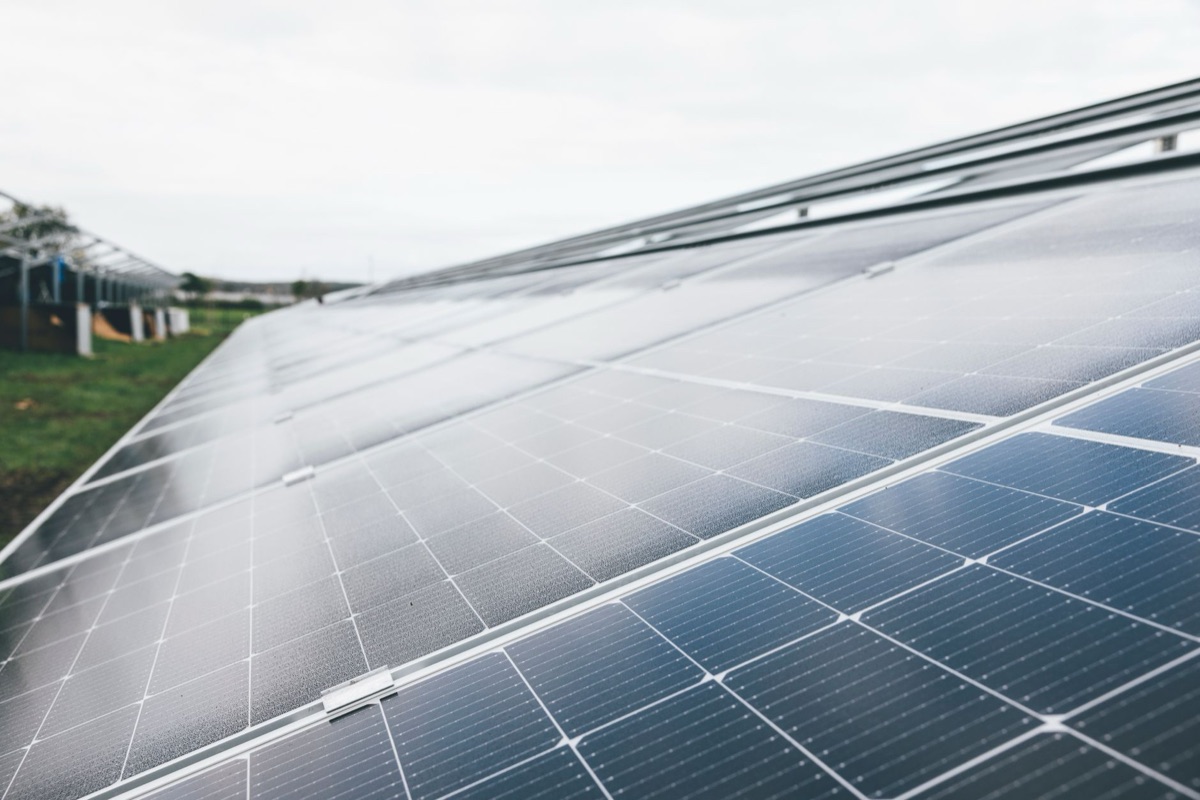
What are the future energy targets? A technician adjusts a solar panel in a dusty field, looking toward a horizon where massive wind turbines are expected to stand. The transition is not just about adding new power; it is about a complete structural overhaul of how energy is produced and distributed.
According to the Department of Energy, the country is aiming to increase the share of renewable energy in the power generation mix to 35 percent by 2030.
The Department of Energy is targeting an increase in the share of renewable energy in the country's power generation mix, aiming for 35 percent by 2030.
The government's strategy is built on clear, time-bound milestones designed to provide certainty to investors. These targets are not just environmental goals but economic necessities to ensure energy security for a growing population.
Medium-term goals focus on aggressive expansion of solar PV and wind power to meet the rising demand from industrial hubs. Long-term, the strategy looks toward a decarbonized grid that can support high-tech manufacturing and electric vehicle infrastructure.
This clear trajectory provides the roadmap for the massive capital investments required to hit these numbers.
- Define specific percentage increases for renewable energy integration.
- Set timelines for phasing out older, high-emission power plants.
- Align local development goals with long-term national energy roadmaps.
When I tried to map these long-term goals against current growth rates, the scale of the required shift felt much larger than I initially expected. I realized that planning for the future requires much more aggressive infrastructure scaling than simple target-setting suggests.
High-Potential Frontiers: Beyond Current Capacity
The salt spray from the South China Sea hits the face of a surveyor marking out a site for a future turbine foundation. While solar farms currently dominate the visual landscape of the energy transition, the next great leap lies in the ocean.
The Energy Commission projected that other renewables, including solar photovoltaic and biogas generation at the sub-transmission level, would supply about 196 GWh in 2025.
Offshore wind represents a massive, untapped frontier with the potential to generate power at a scale that land-based projects cannot match. The consistency of sea winds offers a more stable energy profile than solar, making it a vital component for the future base load.
Beyond the coast, there is also significant interest in geothermal energy and biomass, particularly in regions with volcanic history or high agricultural output. Decentralized energy, such as rooftop solar on factory roofs, is also becoming a standard way to manage energy loads locally.
| Energy Source | Primary Benefit | Primary Challenge |
|---|---|---|
| Solar PV | Rapid deployment and scalability | Intermittency and land use |
| Offshore Wind | High capacity factor and scale | High initial capital expenditure |
| Biomass | Reliable, dispatchable power | Supply chain consistency |
| Geothermal | Constant, base-load power | Site-specific availability |
This variety of sources ensures that the energy transition is not dependent on a single technology.
- Identify geographic areas with high wind or solar irradiance.
- Evaluate the feasibility of offshore wind installations in coastal zones.
- Explore potential for pumped-storage hydro or other storage solutions.
When I visited some of the coastal areas earmarked for wind farms, the sheer wind consistency was much more impressive than the maps suggested. I would prioritize site-specific wind studies even more heavily in the early stages.
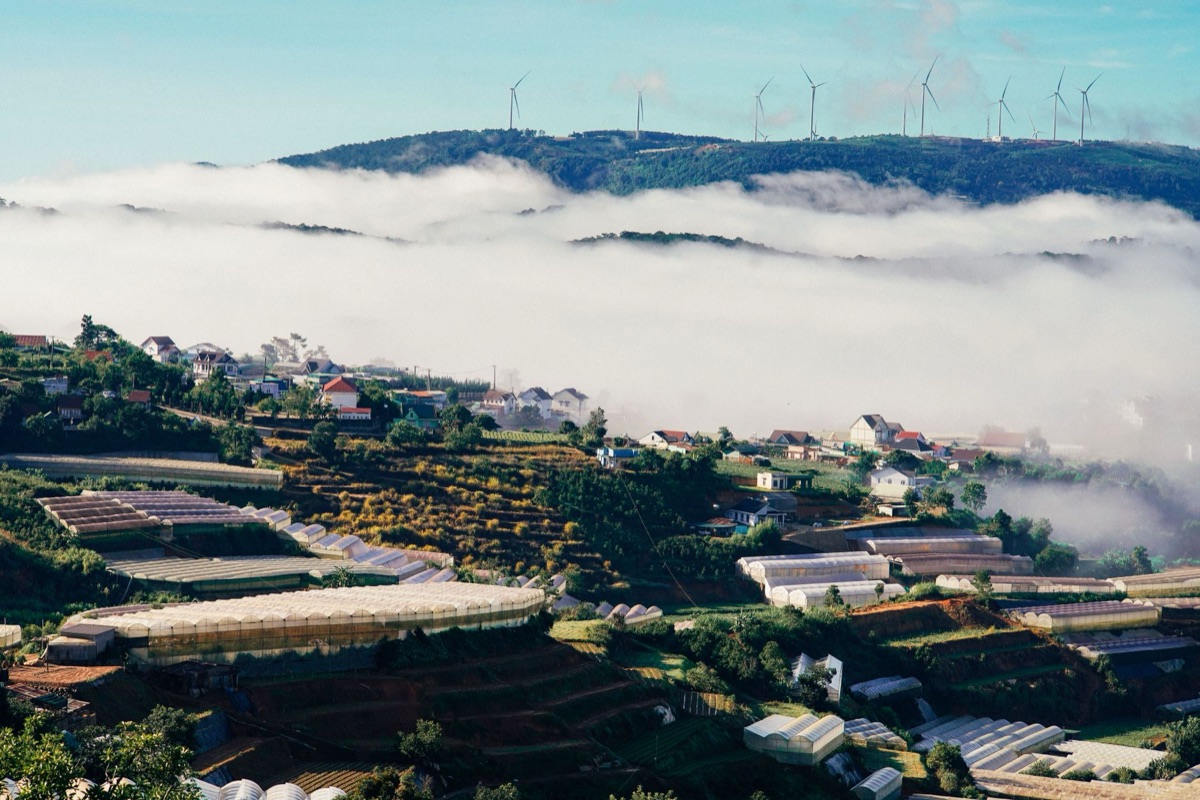
Policy Drivers and Regulatory Shifts
A government official signs a document in a quiet, air-conditioned office, marking the transition from pilot projects to national strategy. Without the legal framework to back up the ambition, the transition would remain nothing more than a series of isolated experiments.
The shift is being driven by comprehensive energy development strategies that aim to align with global climate commitments. These documents provide the legal basis for feed-in tariffs, auction mechanisms, and grid connection priority for renewable producers.
Market mechanisms are also being refined to encourage private sector participation. By creating clear rules for power purchase agreements, the government is working to de-risk projects for international developers.
The transition requires a delicate balance between environmental regulation and the need to keep energy costs competitive for industry.
This regulatory environment is the foundation upon which all future energy infrastructure will be built.
- Monitor updates in feed-in tariffs or auction-based pricing models.
- Track changes in land-use regulations for large-scale energy projects.
- Review new compliance standards for carbon emissions and environmental impact.
When I navigated the early stages of these regulatory shifts, I found that the paperwork often moved much slower than the technological changes. I learned to build much more buffer time into project timelines to account for these administrative cycles.
The Role of Emerging Technologies in the Transition
A heavy-duty truck hauls a massive biomass shipment toward a processing plant, where organic waste is transformed into usable energy. The transition is increasingly reliant on technologies that can turn waste into power, creating a circular economy.
As reported by the Energy Commission, other renewables such as solar photovoltaic and biogas are projected to supply 196 GWh in 2025.
Biomass energy, derived from agricultural residues, offers a way to utilize the country's vast organic resources. This is particularly useful in rural areas where the grid may be less robust, providing a localized power source.
Solar PV continues to play a dominant role, especially in distributed energy systems. As battery storage technology improves, the ability to use solar power during the night will become a standard feature of the national grid.
- Integration of large-scale battery storage to manage solar intermittency. 2. Development of smart grids to handle two-way power flows from residential solar. 3. Utilization of advanced wind turbine designs for low-wind-speed environments.
These technological advancements are the tools that will turn high-level targets into physical reality.
- Pilot smart grid technologies to manage variable energy loads.
- Integrate battery energy storage systems (BESS) at key nodes.
- Test digital monitoring tools for real-time grid optimization.
When I observed the integration of smart sensors into an older grid, the immediate improvement in data clarity was surprising. I would suggest testing these digital tools on a smaller, modular scale before attempting a full-scale rollout.





Comments 0