Vietnam Travel: Discover 5 Hidden Regional Gems Now
Vietnam’s hidden gems offer a deeper dive into its cultural, culinary, and natural diversity than typical resorts.
While the neon lights of Saigon and the luxury cruises of Ha Long Bay draw the crowds, the true soul of the country lives in the mist-covered mountains of the north and the quiet river life of the south.
By choosing specific regional routes, you can move past the tourist bubbles and engage with the traditions that define this landscape.
Key Takeaways * Vietnam’s regional tourism is growing rapidly, evidenced by the 18 million international visitors seen in 2019. * Hidden spots like Ha Giang’s ethnic villages and Ninh Binh’s floating markets showcase unique local traditions.
* Regional specialties, from coffee in Central Vietnam to bamboo products in the North, reflect deep cultural heritage. * Travelers can experience local crafts, food, and festivals through curated, off-the-beaten-path routes.
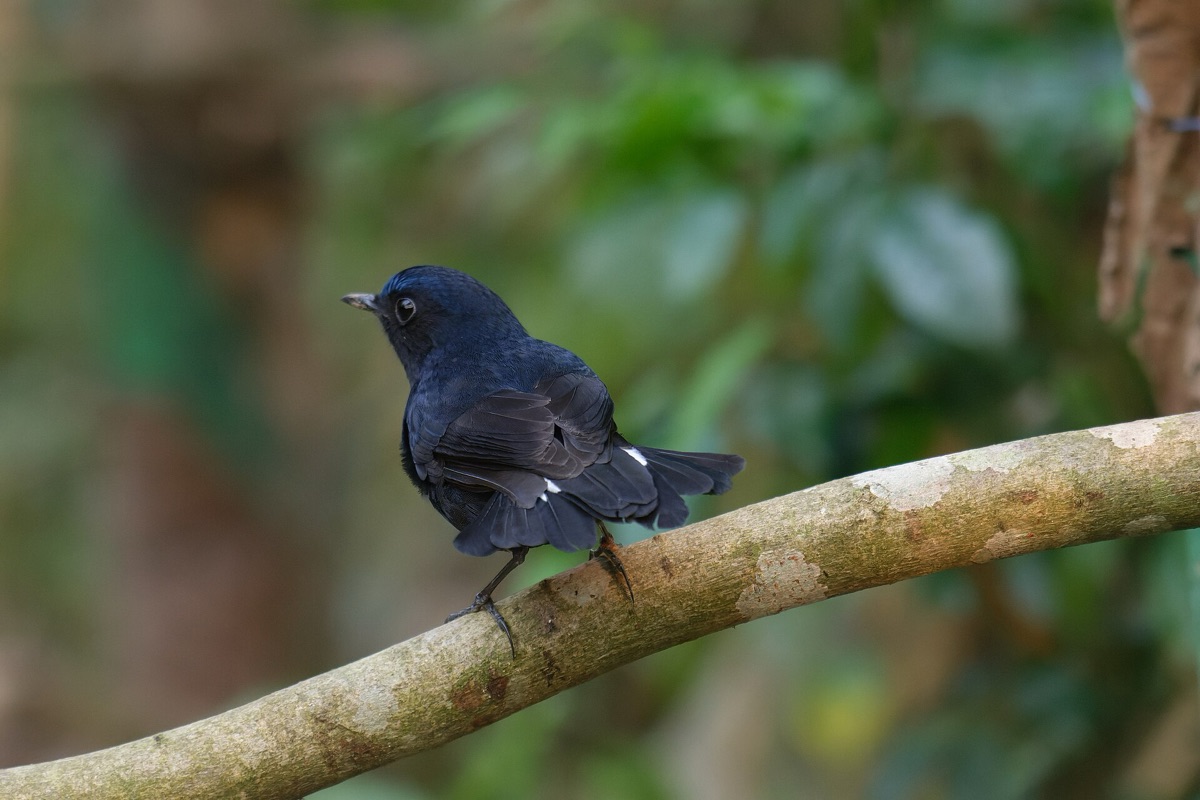
How can I find Vietnam's hidden cultural gems? The wind whipped against my face as I leaned into the curve of a narrow mountain pass. It was early morning in the northern highlands, and the scent of damp earth filled the air.
For those seeking authenticity, Ha Giang Province offers a rugged trek through the "Sky Road" during the 2023–2024 season, leading travelers directly into the heart of ethnic minority villages.
This area provides a stark contrast to the coastal resorts, focusing on high-altitude landscapes and communal living.
Further south, Ninh Binh provides a window into the intersection of spirituality and local life.
Visitors can navigate floating markets and ancient Buddhist temples, though the region faces economic hurdles; the Provincial Governance and Public Administration Performance Index (PAPI) found that 28% of survey respondents cited poverty as their main problem.
If you prefer subterranean wonders, the Phong Nha-Kẻ Bàng area remains a cornerstone of the country's appeal. These UNESCO-listed caves were a primary driver for the 18 million international visitors that arrived in 2019.
However, travelers should be aware of the economic complexities in these rural zones. In some agricultural sectors, financial stability remains a challenge, as seen in reports where 60% of loans in certain sectors were considered at risk.
But understanding these challenges is only the first step; the real magic begins with the flavors of the land.
How to experience regional specialties in the North?
I sat on a low plastic stool at a street corner in Hanoi, watching the steam rise from a bowl of noodles. The city moved in a rhythmic chaos around me, yet the meal felt incredibly still. The Ho Chi Minh City Securities Trading Center manages the stock exchange in the country's largest economic hub.
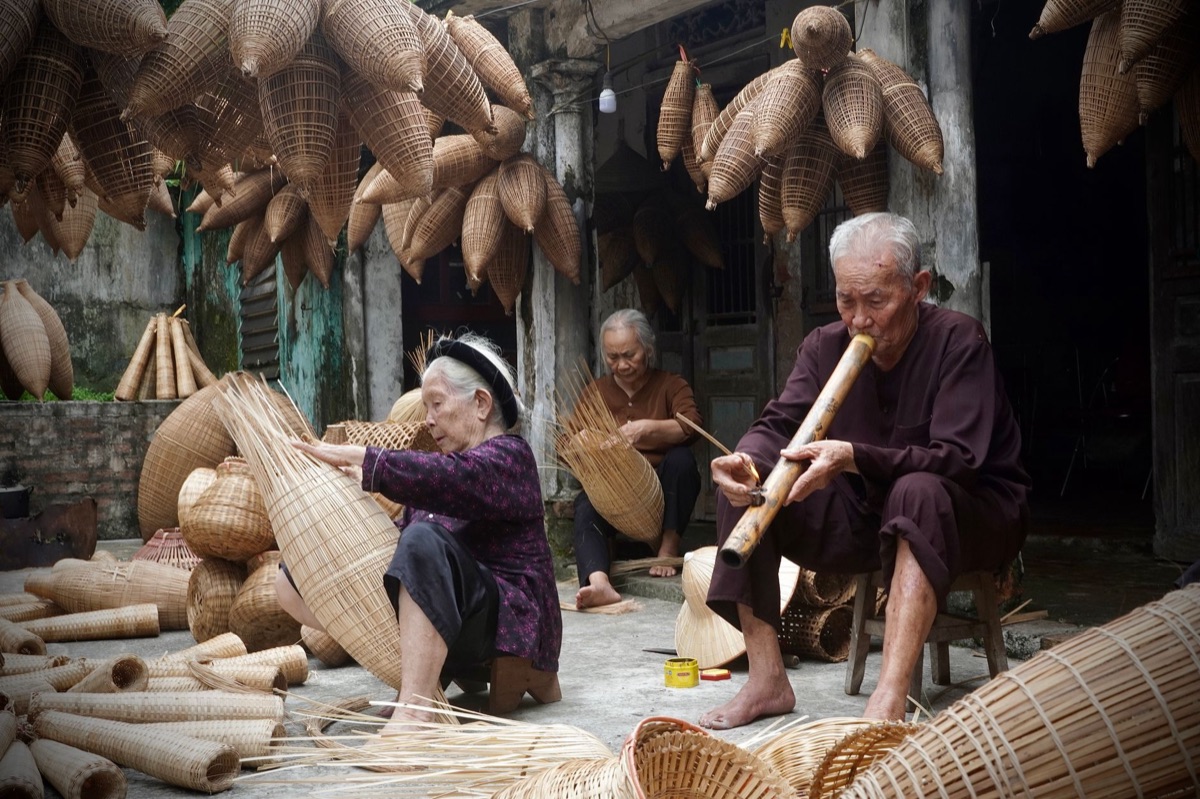
The North is a hub for artisanal crafts and unique agricultural products. In the capital, the bamboo craft industry is a testament to local resilience, with over 30,000 private businesses thriving as the economy evolved [T11].
While the North is famous for its food, the coffee culture of the country often centers on the central regions.
In 2017, the production of coffee in Vietnam reached 29.3 million bags, a figure that was nearly 600,000 bags lower than the USDA estimate for that year due to losses caused by late rain.
To truly taste the region, you must visit the local markets. These hubs allow you to sample street food that has sustained locals for generations.
Interestingly, the scale of international interest in these markets is significant; for comparison, in 2014, 2.4 million visitors to certain hubs represented about 27% of Japan's tourism.
While the markets offer a feast for the senses, the high-altitude plantations of the center offer a different kind of intensity.
What unique culture can I find in the Central Highlands? The sun beat down on the red soil of the highlands as I walked through a plantation. The air was thick with the heavy, sweet scent of ripening fruit and drying beans.
The Central Highlands offer a distinct cultural rhythm driven by seasonal harvests and ethnic traditions. In 2019, the country saw a 1.0% GDP growth, partly fueled by the expansion of the tourism sector.
Coffee is the lifeblood here, though the industry faces volatility. While the 2018 trade surplus reached $2.8 billion, the sector has dealt with significant financial pressures, including 8 trillion VND in unpaid debts.
Beyond the plantations, the region is a center for traditional wellness. In Da Lat, which was recognized as a top-5 destination for international tourists in 2019, herbal medicine remains a vital part of the local lifestyle.
However, enjoying these traditions requires more than just showing up; you need a plan to navigate the rural landscape effectively.
How to plan a regional tourism route with local guides?
I checked my map one last time before meeting my guide at the village entrance. He wasn't just showing me the sights; he was introducing me to his neighbors.
The Provincial Governance and Public Administration Performance Index found that 28% of survey respondents identified poverty as their primary concern.
Planning a deep-dive trip requires a bit more coordination than a standard beach holiday. If you are heading to the north, consider this sequence:
- Select a timeframe: Aim for the 2023–2024 season for the best weather in Ha Giang.
- Book extended stays: Instead of day trips, plan for 48-hour stays in ethnic villages to truly absorb the atmosphere.
- Prioritize local guides: Using local experts helps navigate the nuances of the 18 million annual visitors, especially as markets like the Japanese segment show high growth.
- Choose authentic lodging: Opt for homestays in provinces like Ninh Binh to support the local economy directly.
While this approach is rewarding, it requires more flexibility. You may encounter slower service or less standardized amenities than you would in a major city. But if you can manage the logistics, the natural rewards are unparalleled.
What’s the most efficient way to visit Vietnam’s natural wonders?
The boat drifted silently through the limestone karsts, the water barely rippling against the hull. Everything was green, gray, and incredibly quiet. According to the USDA, coffee production in Vietnam reached 29.3 million bags in 2017.
According to data from the Japan Tourism Agency, travelers from China were the highest spenders in Japan in 2011, contributing an estimated 196.4 billion yen. The USDA estimated that Vietnam would produce a certain amount of coffee in 2017, though actual production reached 29.3 million bags.
For natural wonders, the Mekong Delta and Ha Long Bay are the heavyweights. Ha Long Bay remains a top-5 destination, benefiting from massive international interest, including the high volume of Japanese travelers seen in recent years [T1, S5].
However, the Mekong Delta offers a different pace. While it was a major draw for the 18 million visitors in 2019, the region saw a 2% decline in certain visitor metrics during the 2023–2024 period.
If you prefer land-based nature, the bamboo forests of the north offer a serene alternative. These areas are supported by a robust network of over 30,000 private businesses that contribute to the broader economic growth [T10].
| Region | Primary Specialty | Cultural Highlight |
|---|---|---|
| North (Hanoi) | Bamboo Crafts | Traditional Artisanal Markets |
| Central (Highlands) | Coffee Production | Ethnic Minority Festivals |
| South (Mekong) | River Trade | Floating Markets |





Comments 0