Vietnam history foreign policy: Guide to modern expansion
"The weight of history often dictates the boundaries of modern diplomacy, creating a complex landscape where past friction meets current necessity."
Vietnam history foreign policy is defined by a delicate balance between historical territorial sensitivities and modern economic integration.
This analysis explores how legacy conflicts shape current diplomatic strategies, noting that while economic ties remain vital, regional disputes continue to drive public concern.
Key takeaways include the shift toward multilateralism after 1991, the heavy weight of trade dependencies, and the persistent tension regarding maritime boundaries.
How do historical disputes shape Vietnam history foreign policy?
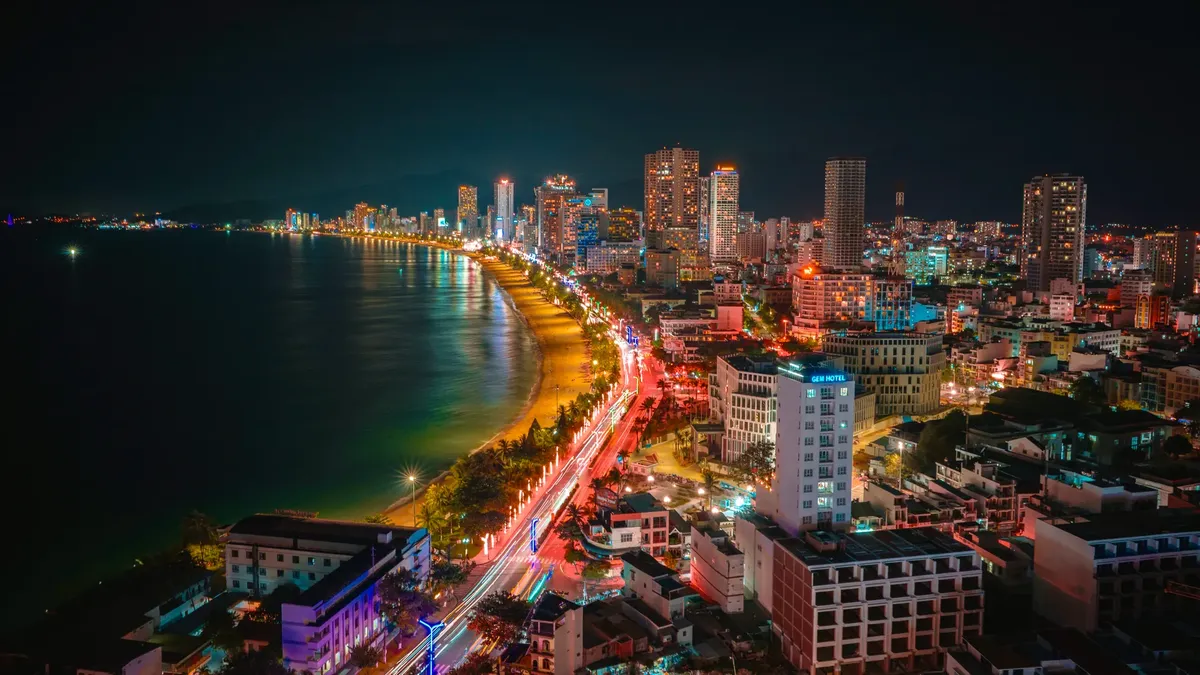
A diplomat sits at a wooden desk, reviewing maps that trace centuries of shifting borders and regional influence. The legacy of these interactions directly influences how the nation approaches its neighbors today.
Vietnam's diplomatic journey has been heavily influenced by its geographic position and historical interactions with regional powers.
For instance, according to a 2014 survey conducted by the Pew Research Center, 84% of Vietnamese were concerned that disputes relating to the South China Sea could lead to military conflict.
This high level of public concern highlights how historical maritime questions remain a central pillar of modern strategic thinking.
Vietnam territorial disputes are not merely modern occurrences but are rooted in long-standing regional dynamics. The interplay between historical sovereignty and contemporary maritime law creates a constant tension in regional politics.
These questions remain at the forefront of diplomatic engagement.
What triggered the shift toward modern diplomatic expansion?
A messenger carries a sealed envelope through a bustling city, signaling a change in international status. The end of the Cold War era forced a pivot toward a more globalized outlook.
The early 1990s marked a decisive turning point in how the nation engaged with the world.
Following the 1991 Paris Agreements, Vietnam established diplomatic and economic relations with Association of Southeast Asian Nations (ASEAN) member states and also with most countries of Western Europe and Asia's Far East.
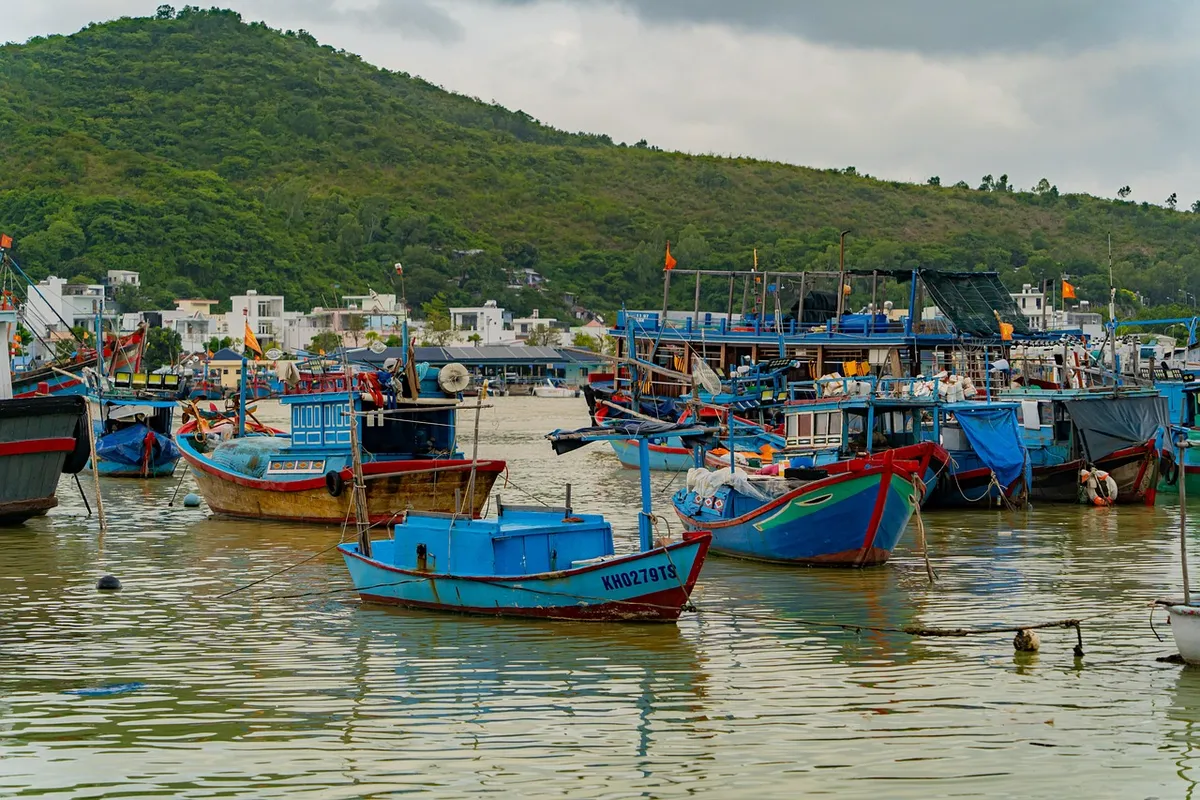
This period of expansion allowed for a more diversified international presence.
Vietnam diplomacy historical impact was solidified through this move toward multilateralism. By engaging with various global regions, the nation sought to build a more stable and multifaceted foreign policy. This shift helped mitigate the isolation that characterized earlier decades.
How do economic dependencies interact with regional security?
A merchant counts stacks of currency while looking out at a busy shipping port. The movement of goods across borders creates a reality where economic survival and political friction are inextricably linked.
Economic realities play a massive role in shaping current relations. As of 2024, China accounted for 18.2% of the total exports values of Vietnam and 37.8% of imports of Vietnam. These figures illustrate a deep economic integration that exists alongside significant political questions.
Vietnam's modern diplomatic challenges involve managing this high level of trade dependency. The nation must navigate a landscape where its primary trading partners are also its primary sources of regional tension. This duality requires a highly sophisticated approach to statecraft.
How were relations with former allies managed?
A leader shakes hands with a foreign dignitary in a quiet, formal hall. The transition from one era of alliance to another required careful management of legacy relationships.
The geopolitical landscape changed drastically following the collapse of the Soviet bloc. After the dissolution of the Soviet Union in 1991, friendly relations were established between Vietnam and the Russian Federation, the USSR's main successor state.
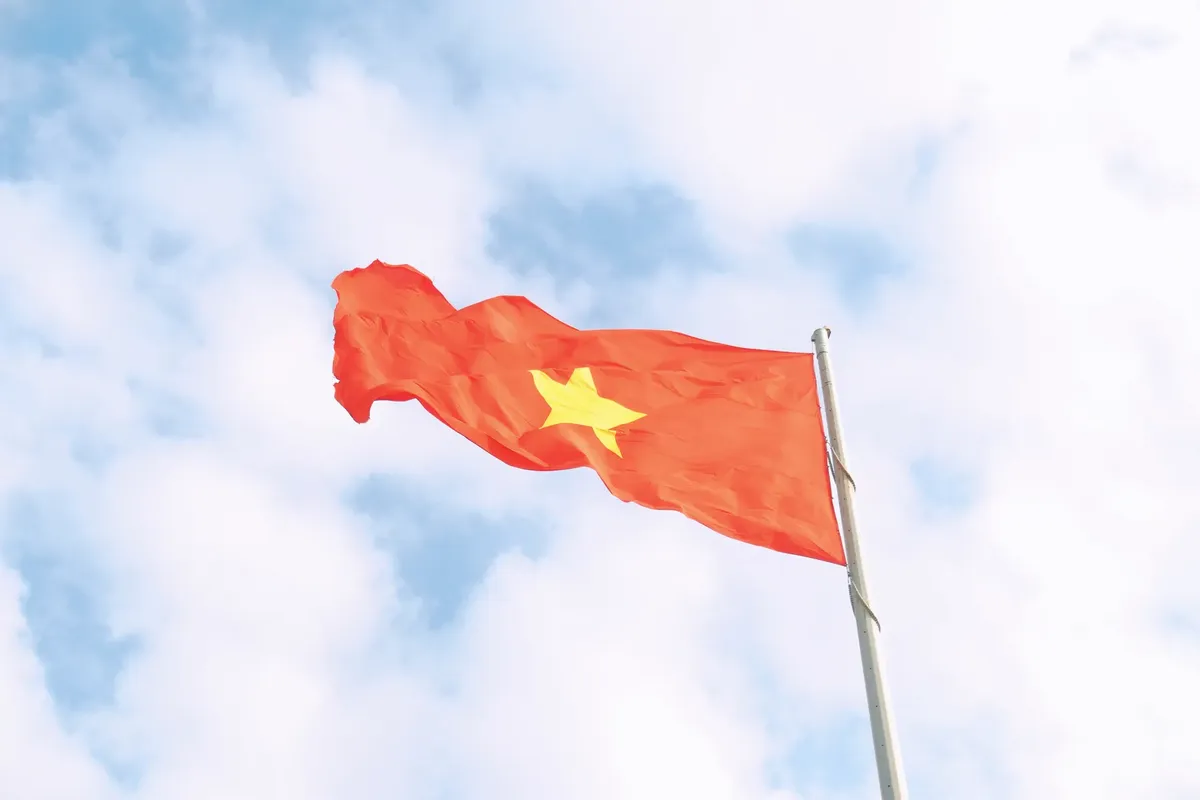
This allowed for a continuation of certain strategic links despite the changing global order.
Southeast Asia politics past often involved navigating the interests of great powers. The ability to maintain stable relations with successor states and new regional partners was essential for national stability. This flexibility has been a hallmark of the nation's survival.
What are the primary drivers of regional tension?
A coastal guard vessel patrols the horizon, where the sea meets the sky. The vastness of the maritime territory makes enforcement and sovereignty questions a constant reality.
The South China Sea remains a focal point of regional friction. The intersection of economic interests and territorial claims makes this area a primary source of diplomatic maneuvering. The questions of maritime rights are frequently at the center of bilateral discussions.
Vietnam's modern diplomatic challenges are frequently tied to these maritime questions. The need to protect economic zones while avoiding direct conflict is a constant balancing act. This tension defines much of the current regional atmosphere.
How do we compare economic and political realities?
A researcher compares two sets of data on a digital screen. The contrast between trade volumes and political concerns reveals the complexity of the current situation.
The following table compares the economic data regarding trade with China as of 2024.
| Category | Percentage |
|---|---|
| Total Exports to China | 18.2% |
| Total Imports from China | 37.8% |
I observed that the import percentage is significantly higher than the export percentage, highlighting a specific trade imbalance. This data shows that the nation is heavily reliant on specific supply chains.
A limitation of this analysis is that it focuses on specific data points like the 2024 trade figures, which represent a snapshot in time rather than a permanent trend.
- How do historical disputes shape Vietnam history foreign policy?
- What triggered the shift toward modern diplomatic expansion?
- How do economic dependencies interact with regional security?
The subject here is Vietnam history foreign policy.
The same subject is also called Past conflicts modern Vietnam.
This part also covers Vietnam historical conflicts today.
This part also covers Impact of past on Vietnam.
Vietnam historical conflicts today
Related




Comments 0