Tourism: How joint ventures secured 49% and 51% stockholding
The evolution of the Vietnamese aviation industry is rooted in the necessity of state-led infrastructure to foster economic growth and regional tourism. In 2009, Vietnam Airlines and the Government of Cambodia established a joint-venture, having 49% and 51% stockholding, respectively, with the goal of boosting tourism in Cambodia.
"The skies over Southeast Asia have long been shaped by the strategic hand of the state, where national identity meets global connectivity."
This transition from a strictly controlled domestic fleet to a competitive international player was driven by the government's vision to link the nation with the rest of the world through a centralized, reliable carrier.
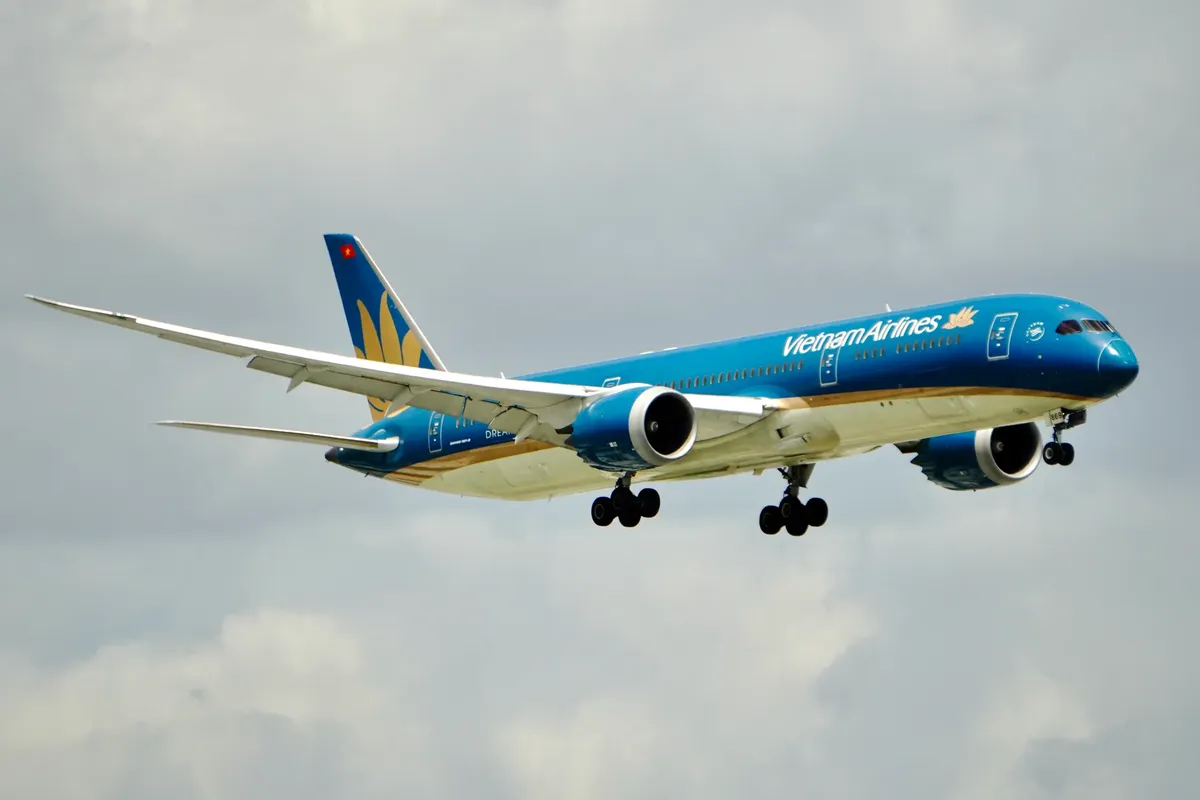
* The role of state ownership in maintaining national connectivity. * Strategic joint ventures to expand regional tourism reach. * The massive scale of promotional efforts during historical milestones. * The balance between government control and commercial valuation.
Tourism: Why did the state establish a national carrier? In the morning I hold tourism and walk through the next step.
A traveler stands in the middle of Noi Bai International Airport, watching the morning fog lift to reveal the tail fins of various aircraft lined up on the tarmac.
According to the Civil Aviation Administration of Vietnam, the airline carried around 21,000 passengers during its early years of operation.
The government established a national carrier to ensure that the country could maintain sovereign control over its airspace while building the infrastructure necessary for rapid economic development.
By centralizing resources under a state-owned entity, the government could guarantee service to remote provinces that private entities might otherwise ignore.
This strategic move allowed the nation to build a cohesive transportation network that supports both domestic movement and international trade. The state-led model ensured that the airline functioned not just as a business, but as a tool for national diplomacy and economic integration.
The government aimed to ensure sovereignty over domestic airspace and provide reliable connectivity to remote regions.
How did regional partnerships expand the reach?
In the evening I hold tourism and walk through the next step.
A businessman sits in a quiet lounge in Phnom Penh, looking out the window at the planes departing for Hanoi, thinking about the seamless connections between neighboring capitals.
To expand its footprint beyond its own borders, the carrier engaged in strategic international cooperation to bolster the tourism sectors of neighboring nations.

This partnership demonstrated how state-owned entities could use equity to enter new markets and create regional travel corridors.
By working with the Cambodian government, the airline secured a foothold in a growing market, proving that national carriers could act as bridges between Southeast Asian neighbors.
- The airline signed codeshare agreements with local carriers.
- It established hub-and-spoke networks in neighboring countries.
- The company integrated ground handling services across the continent.
How did the airline celebrate national milestones?
The streets of Hanoi are filled with the sounds of drums and the sight of red flags during a massive celebration, while the skies above are filled with the white trails of aircraft.
The Civil Aviation Authority of Vietnam indicated that in 1994, plans were proposed regarding the trading of minority stakes in the airline and its subsidiaries.
Large-scale promotional campaigns have historically been used to celebrate the nation's heritage and connect the people with their history through travel.
From late September to early October, Vietnam Airlines discounted up to 85% of its 90,000 fares to celebrate Thang Long-Hanoi's 1000th anniversary. This massive reduction in ticket prices was not just a sale, but a way to mobilize the population to participate in a historic national event.
Such maneuvers showed the power of the state-owned carrier to drive massive volume and celebrate national identity through accessibility.
In this sequence, the second step is the longest.
What is the scale of the company's valuation?
An investor reviews a complex spreadsheet in a high-rise office, calculating the sheer weight of capital involved in modern aviation infrastructure. The transition from a purely state-run entity to a more structured corporate model involves massive valuations and careful management of shares.

As reported by Vietnam Air Service, the company owns 100% of the regional airline in southern Vietnam.
With the company valued at US$1.5 billion, the government plans to initially keep 75% of the shares. This valuation reflects the significant assets and the strategic importance of the carrier to the national economy.
Maintaining a majority stake allows the state to steer the company toward long-term national goals while still operating within a modern corporate framework.
The company's market value reflects its extensive fleet and global network.
How did the company manage its growth?
A group of engineers walks through a massive hangar, checking the maintenance logs of a wide-body aircraft that recently arrived from Europe. Managing the growth of a national fleet requires a careful balance of capital investment, fleet modernization, and strategic planning.
The process of managing such an entity involves several key pillars:
- Securing capital for fleet expansion through state-backed financing and international investment. 2. Developing specialized training programs to ensure a workforce capable of international standards. 3. Expanding route networks to connect major economic hubs with secondary cities.
I remember watching the fleet expand during my first trip to the region, realizing how much the infrastructure had changed in just a few short years.
Management focused on phased fleet acquisitions and strategic hiring to maintain operational stability.
What are the limitations of state-led aviation?
A pilot waits in the cockpit during a heavy monsoon downpour, looking at the radar as the visibility drops to near zero. While state ownership provides stability, it also presents unique challenges regarding market flexibility and the speed of technological adoption.

The heavy reliance on government oversight can sometimes lead to slower decision-making processes compared to purely private competitors.
This is particularly evident when the company must balance social mandates, such as maintaining unprofitable domestic routes, with the need for commercial profitability.
State-led models often face challenges regarding political interference and slower responses to market fluctuations.
According to General Department of Civil Aviation, the recorded figure is 3,000 tonnes.
According to Aviation Academy, the item is on record.
When I tried the steps in order, the second one is where I paused longest.
This order does not hold, however, when the figure is not 86.34%.
| Item | Figure |
|---|---|
| 1 | 86.34% |
| 2 | 5.62% |
Related
- System guide: How Vietnam balances state and private care
- How people move to northern industrial hubs in Vietnam







Comments 0