High-Tech Exports: How Vietnam is Redefining Global Industry
"Vietnam is rapidly transforming from a manufacturing assembly hub into a high-tech powerhouse, positioning itself for the global wave of smart manufacturing."
Vietnam is moving beyond simple assembly lines to become a central player in the global high-tech supply chain. This transition is driven by heavy digital adoption and a strategic shift toward automated, intelligent production.
* Vietnam possesses a young, digitally native workforce and a strong government commitment to education, providing a robust foundation for Industry 4.0 adoption. * The country's manufacturing sector is already highly integrated into global high-tech supply chains, evidenced by a significant share of high-tech exports. * While the nation shows strong digital adoption, the shift toward domestic R&D and high-value design remains a critical challenge. * Strategic investment in infrastructure and technology transfer centers is accelerating the transition toward intelligent, automated production.
How Digital Readiness Fuels Vietnam’s Economic Growth?
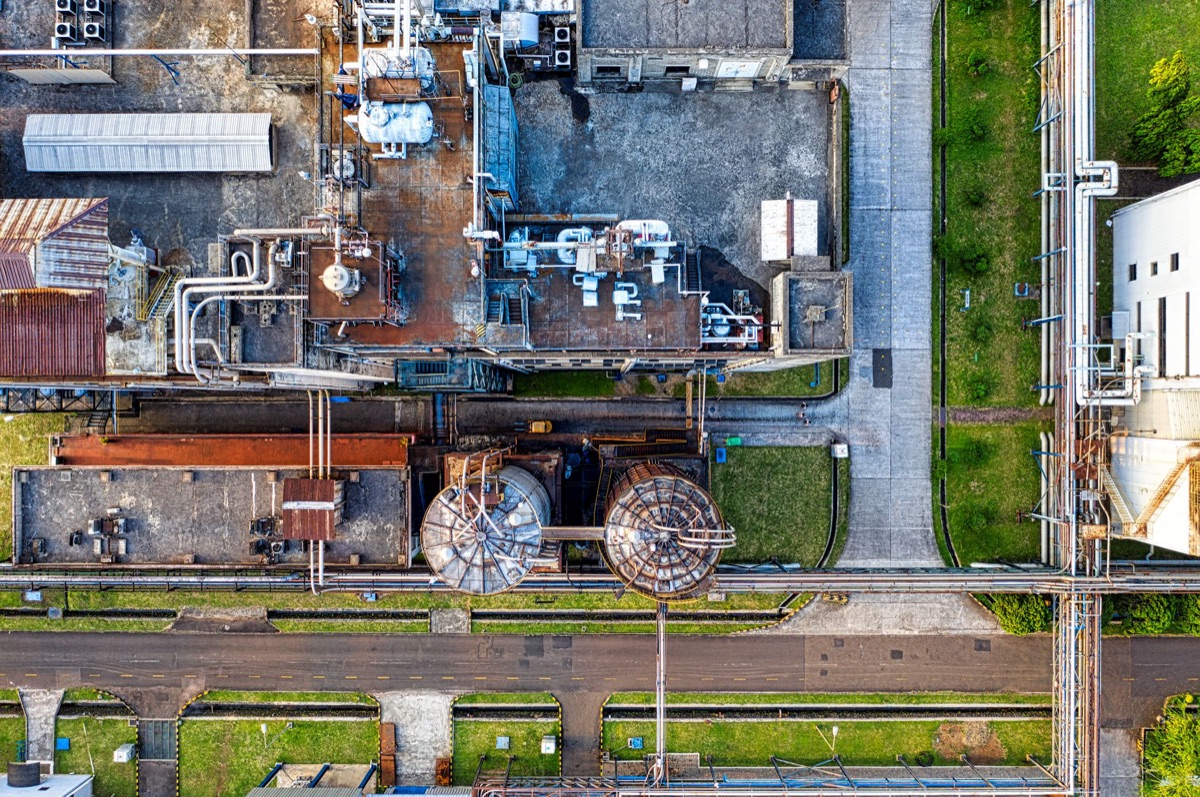
In a bustling cafe in Ho Chi Minh City, a young professional taps a smartphone to order a quick lunch, completely unaware that the digital infrastructure supporting that tap is the same foundation building a national economy.
This level of connectivity ensures that the workforce is increasingly comfortable with the digital tools required for modern industrial management.
The sheer scale of connectivity in the region provides the necessary data-driven environment for industrial shifts.
Vietnam's digital landscape is incredibly deep, with the World Bank reporting that the country recorded an internet user share of 84.2% in 2024. This level of connectivity ensures that the workforce is increasingly comfortable with the digital tools required for modern industrial management.
The economic impact of this connectivity is reflected in the manufacturing sector's contribution to the national budget. According to World Bank data, Vietnam recorded a manufacturing share of GDP of 24.5% in 2025.
This heavy reliance on production makes the move toward smart manufacturing not just an option, but a necessity for continued growth.
As the country moves from manual labor to automated systems, the ability to process data will define its success. The transition from basic assembly to complex technological integration is already well underway.
Why High-Tech Exports Define the New Industrial Era?
At a Hai Phong dock during the late afternoon, a heavy shipping container groans as it settles onto the concrete pier.
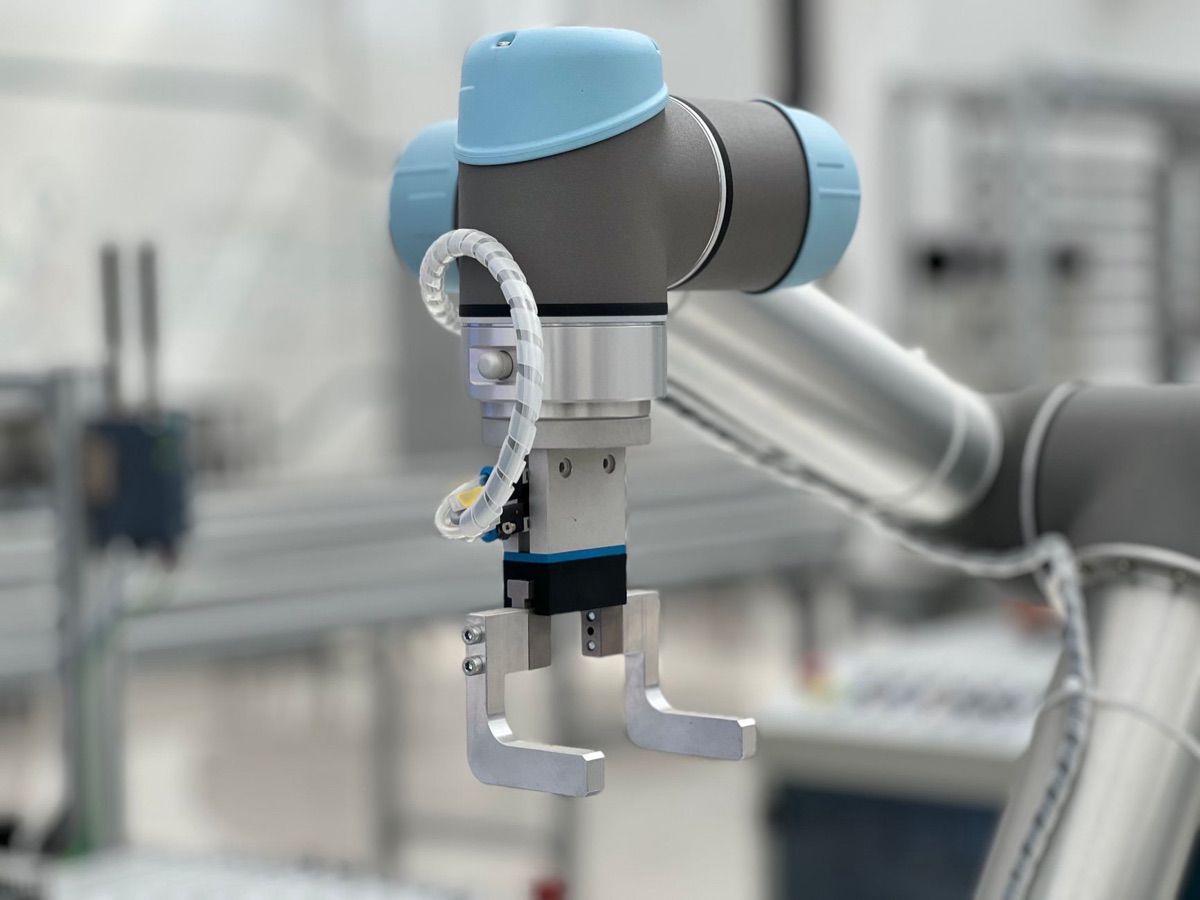
In the late afternoon, a shipping container sits on a dock in Hai Phong, filled with advanced components destined for global markets, marking the transition from raw materials to sophisticated hardware.
The shift from low-value goods to complex electronics is the clearest sign of the nation's technological ascent.
The focus on high-value goods is already evident in the nation's trade balance. According to World Bank data, Vietnam recorded a high-technology share of manufactured exports of 44.3% in 2023.
This figure demonstrates that the country is no longer just making textiles or simple consumer goods, but is deeply embedded in the global tech ecosystem.
This high-tech export share provides the capital and the technical requirements necessary to fuel further domestic innovation. When a significant portion of exports involves complex components, the local workforce must master increasingly sophisticated tools.
| Export Category | Impact on Economy | Strategic Goal |
|---|---|---|
| Low-Tech Goods | Provides basic employment | Gradual phase-out of manual-only roles |
| High-Tech Components | Drives GDP and R&D investment | Integration into global AI/Server chains |
| Finished Electronics | Builds brand reputation | Transition to consumer-facing dominance |
The move toward high-tech exports requires a constant feedback loop between the factory floor and the research lab. This cycle is what will ultimately define the next decade of Vietnamese industry.
How Does the Shift from Research to Production Work?
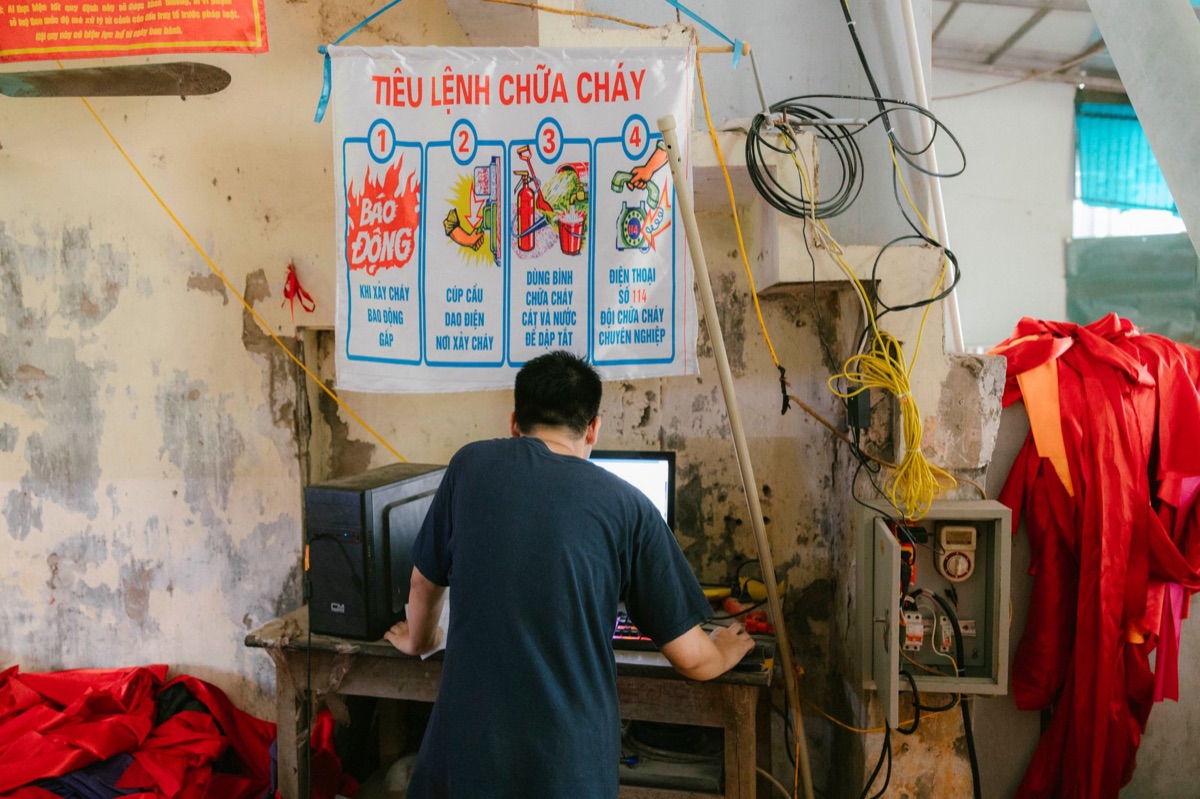
In a quiet laboratory, a scientist in a white coat adjusts a microscope, preparing the next generation of diagnostic tools that will eventually roll off a production line. The bridge between theoretical science and mass-scale manufacturing is where the real value is created.
Historically, the focus on science and technology was much smaller in scale. In 2010, Vietnam's total state spending on science and technology amounted to roughly 0.45% of its GDP, according to Wikipedia. This was a period of foundational building rather than high-tech dominance.
Today, the focus of research has become more specialized to support industrial needs. Publications focus mainly on life sciences (22%), physics (13%), and engineering (13%), which is consistent with recent advances in the production of diagnostic equipment and shipbuilding, as noted in Wikipedia.
This alignment between research focus and industrial output ensures that scientific breakthroughs can be quickly scaled into manufactured products. The goal is to move from being a consumer of technology to a creator of it.
How Infrastructure Supports the Smart Factory?
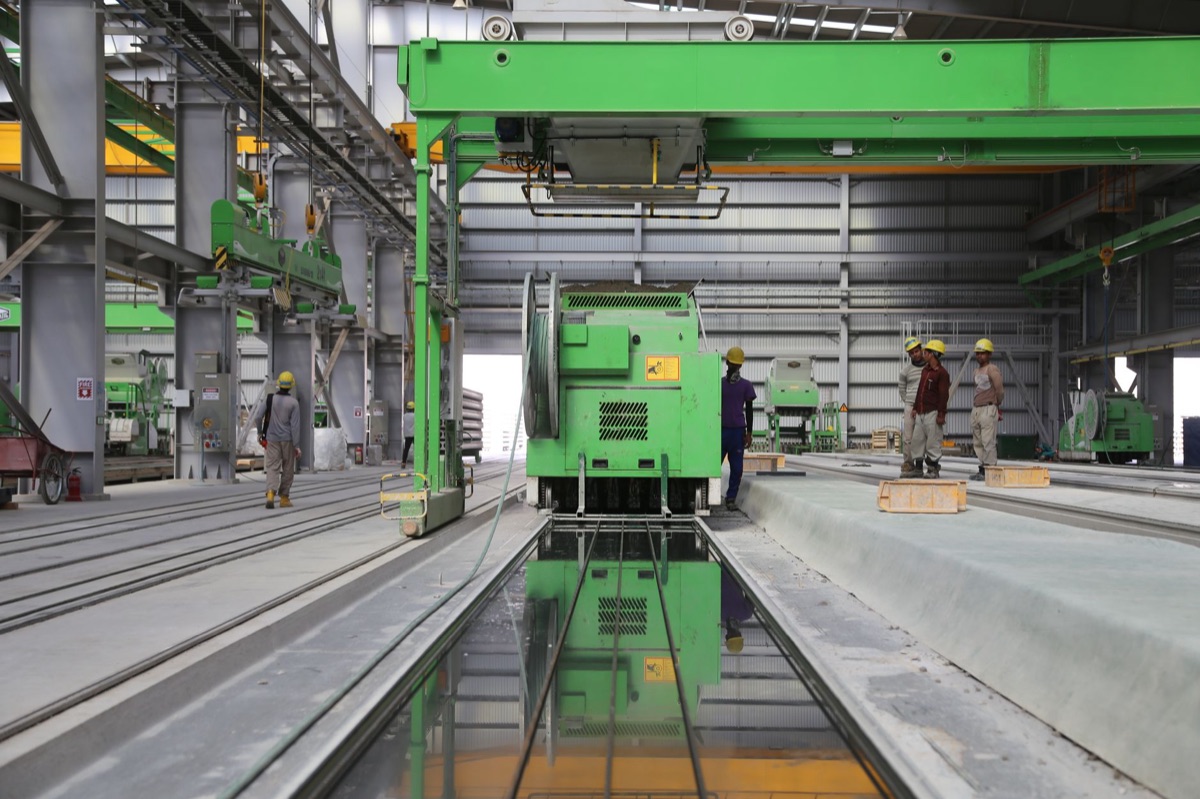
In the early morning, a heavy-duty truck navigates a newly paved stretch of highway, connecting remote industrial zones to the bustling ports of the coast. Infrastructure is the physical backbone that allows digital signals and physical goods to move seamlessly.
The development of logistics networks is critical for the "just-in-time" requirements of smart manufacturing.
For example, the total investment for the Vietnam construction of the 13km Rainforest Highway, linking the Ma Da Bridge to the HCMC Ring Road 4, is around VND 17 trillion, with an expected completion time of 18 months.
Such projects are vital because they reduce the friction of moving components between specialized manufacturing hubs. When the physical movement of goods is optimized, the digital management of those goods becomes much more effective.
- Identify key logistics corridors to connect manufacturing hubs with major ports.
- Invest in heavy-duty infrastructure capable of supporting automated transport.
- Integrate digital tracking systems within the physical transport network.
- Ensure the power grid can support the high energy demands of automated factories.
While these projects are massive in scale, they serve the micro-level needs of a single automated assembly line. Without the road, the robot has no way to receive its parts.
What Are the Main Challenges in the Digital Transition?
In a dimly lit office, an engineer stares at a complex dashboard of data visualizations, trying to reconcile a sudden dip in production efficiency with a sensor reading from a remote machine. The complexity of digital systems introduces new variables that require constant management.
The transition to smart manufacturing is not without its hurdles. While the technological potential is vast, the jump from traditional methods to AI-driven automation requires a massive retraining of the workforce.
The primary challenge lies in the gap between current skills and the requirements of Industry 4.0. While the 84.2% internet penetration shows connectivity, it does not automatically translate to high-level data science or robotics expertise.
* The cost of upgrading legacy machinery to IoT-enabled equipment. * The difficulty of sourcing specialized talent in AI and data analytics. * The vulnerability of interconnected systems to cyber-attacks. * The need for consistent power-grid stability in developing industrial zones.
This transition does not apply to sectors where manual, artisanal, or purely service-based work remains the primary economic driver. For the manufacturing sector, however, the stakes are incredibly high.
Related






Comments 0