Vietnam Manufacturing Tips: Navigating Global Supply Chains
This article is about Manufacturing. "The only way to truly understand a market is to walk its streets while the morning fog is still lifting."
This guide explores the shifting economic landscape of Vietnam, focusing on how its rapid industrialization creates both massive opportunities and unique operational hurdles for international entrants.
We will examine the drivers of growth, the specific sectors leading the charge, and the cultural nuances necessary for successful integration.
* Identify the primary drivers of Vietnam's current economic momentum. * Understand the strategic importance of the manufacturing shift. * Navigate the cultural requirements of local business etiquette. * Recognize the limitations of infrastructure in specific industrial zones.
Why is the manufacturing shift happening now?
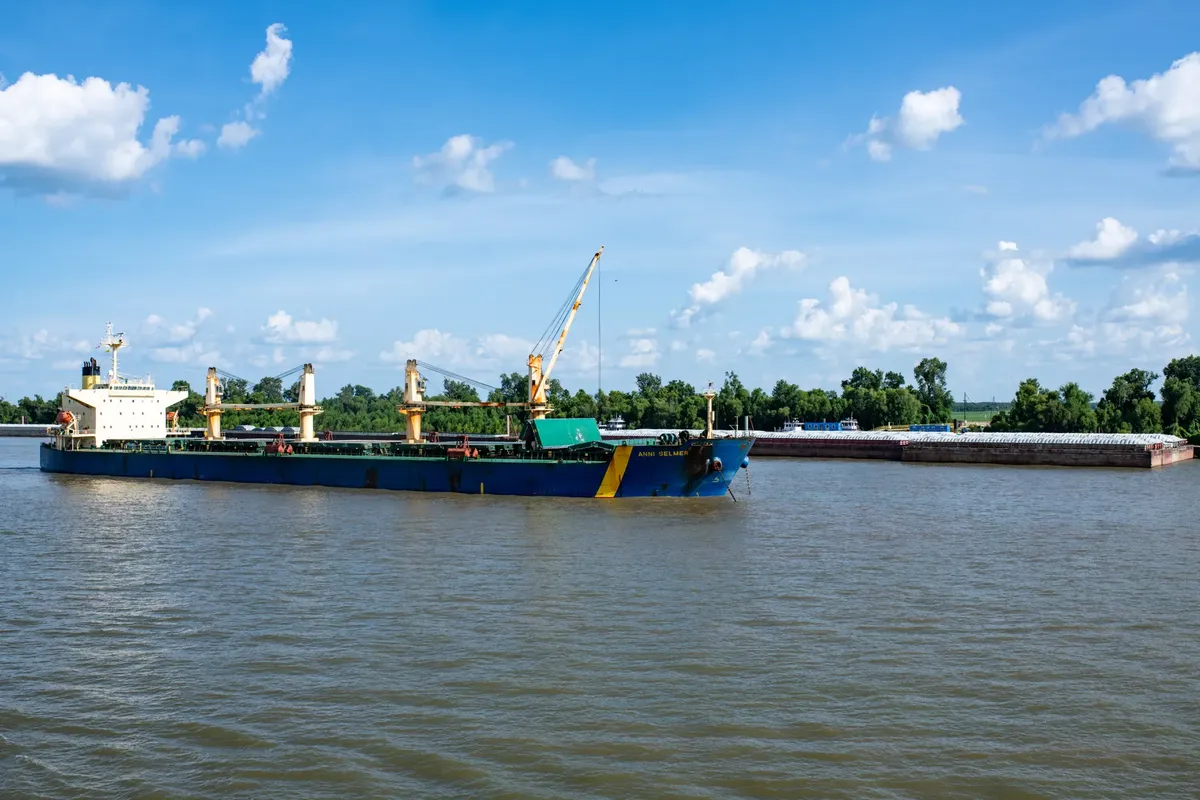
The humid air of a Ho Chi Minh City morning carries the scent of diesel and street food as trucks begin their daily routes toward the industrial parks of Binh Duong. This constant movement of goods is the heartbeat of a nation repositioning itself as a global production hub.
According to the OECD, Vietnam recorded a high-technology share of manufactured exports of 44.3% in 2023.
According to World Bank data, Vietnam recorded a high-technology share of manufactured exports of 44.3% in 2023.
The shift toward manufacturing is driven by a strategic move to diversify global supply chains, making Vietnam a primary beneficiary of the "China Plus One" strategy.
The fundamental driver of this transition is the massive influx of Foreign Direct Investment (FDI) and a national strategy centered on export-led growth.
As global corporations seek to mitigate risks by spreading production across different countries, Vietnam has become a preferred destination due to its competitive labor costs and strategic location.
This has led to a surge in investment within the electronics and high-tech manufacturing sectors, which now serve as the backbone of the national economy.
While the growth is undeniable, it is important to note that this momentum is not uniform across all sectors.
For instance, capital-intensive industries or those requiring highly specialized technical expertise may face significant hurdles due to current local infrastructure limitations and the varying skill levels of the available workforce.
- Identify emerging market needs.
- Relocate production to cost-effective regions.
- Implement advanced automation technologies.
How do global supply chains reshape local industries?
Standing on a balcony overlooking the sprawling industrial zones of Bac Ninh, the sight of endless factory silhouettes against the horizon is a testament to the scale of change. The landscape is no longer just about agriculture; it is about complex assembly lines and logistics networks.
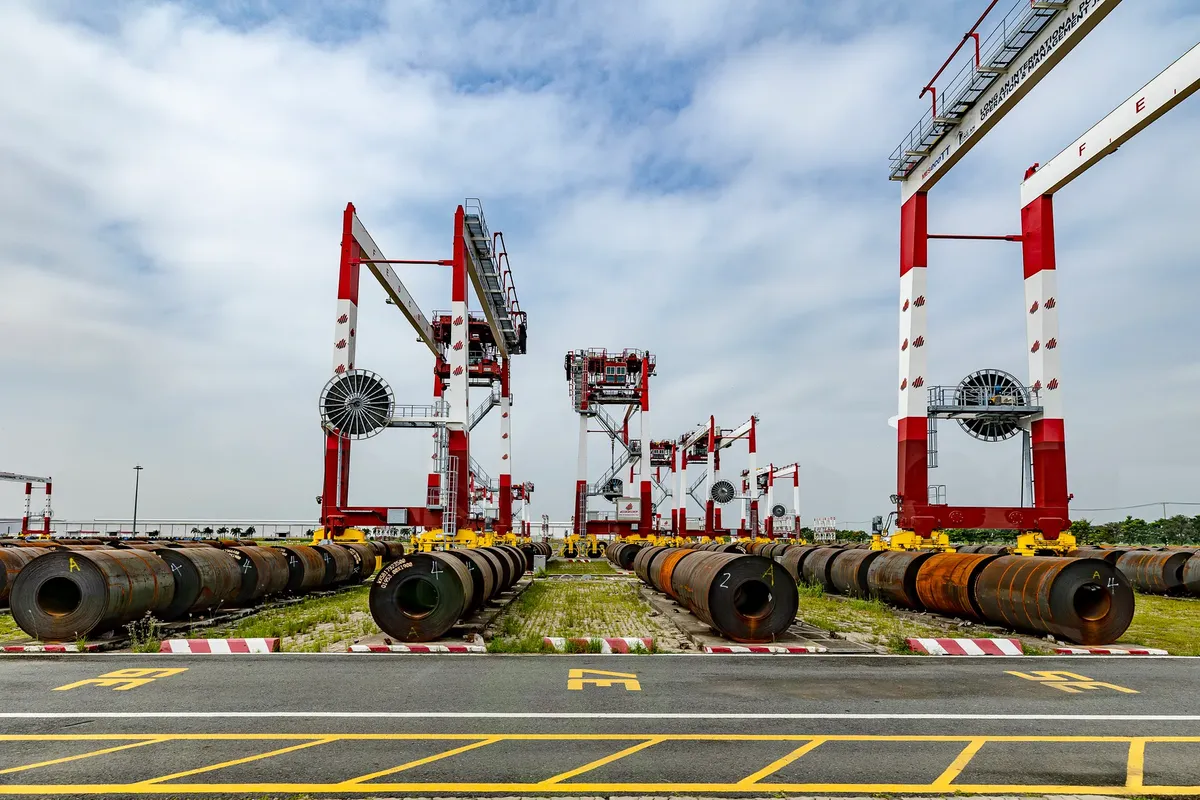
As noted by the OECD, the Ministry of Science and Technology is working to strengthen cooperation to support these evolving industrial needs.
This transformation is reshaping how local industries operate, moving them from low-value production to more sophisticated roles in the global value chain.
The integration into global supply chains has forced a rapid upgrade in local standards. Companies are no longer just producing simple goods; they are becoming integral parts of complex electronics and automotive assembly processes.
This shift requires a level of precision and quality control that was previously uncommon in local workshops. As a result, the demand for better logistics, reliable electricity, and standardized production methods has skyrocketed.
This process is not without friction. The transition requires a massive investment in human capital to bridge the gap between traditional labor and the requirements of high-tech manufacturing.
Without a steady pipeline of skilled engineers and technicians, the bottleneck of talent could slow the very growth that these investments aim to capture.
In this sequence, the second step is the most extensive.
What are the main sectors driving the economy?
Walking through the bustling streets of Da Nang, one can see the intersection of traditional trade and the emerging digital economy. The energy of the city reflects a multi-faceted growth model that is moving beyond simple textile production.
The diversification of the economy is creating a more resilient structure, though certain sectors are growing much faster than others.
The primary sectors driving the current economic surge include:
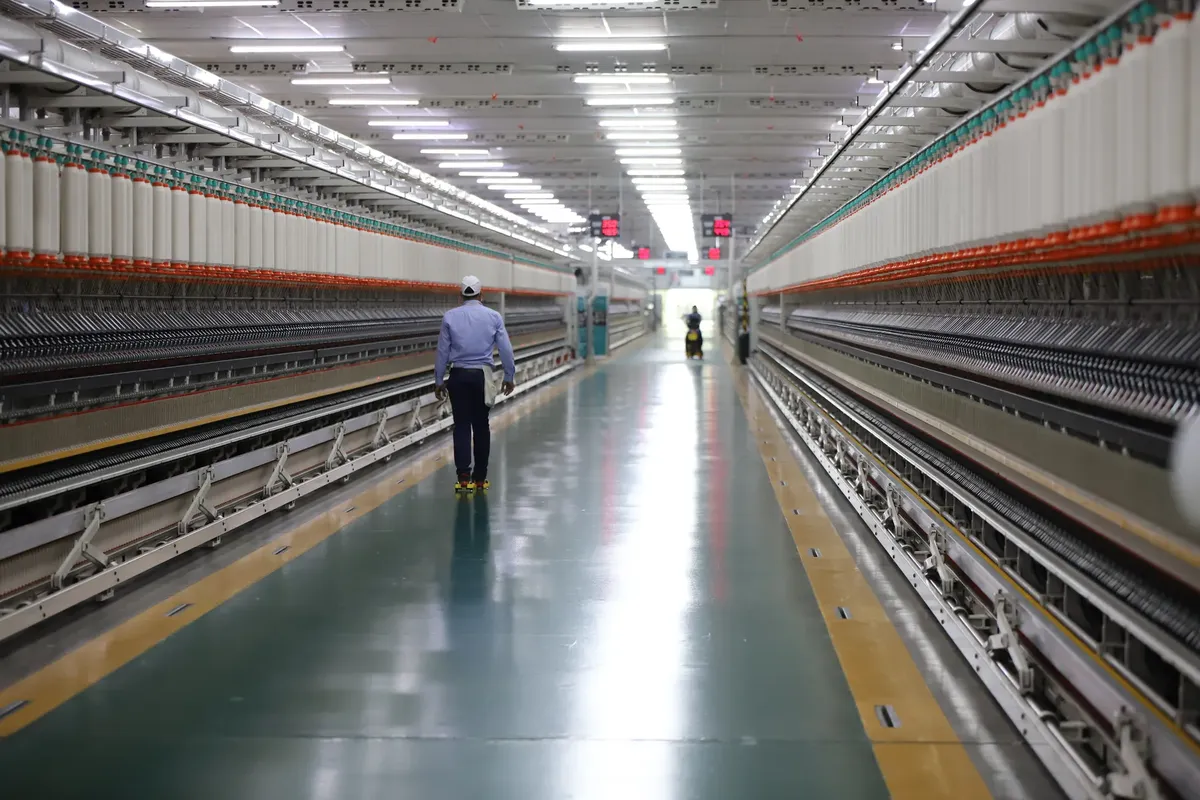
- Electronics and high-tech manufacturing, which attract the bulk of foreign investment. 2. Logistics and infrastructure development, necessitated by the boom in export volumes. 3. The growing service sector, particularly in telecommunications and digital finance.
These sectors are interlinked; the growth in electronics drives the need for better logistics, which in turn requires better digital infrastructure. This virtuous cycle is what sustains the upward trajectory of the national GDP.
However, the disparity between these high-growth zones and more traditional rural areas remains a significant challenge for balanced national development.
Is the infrastructure ready for this level of growth?
The sound of heavy machinery echoing through a construction site in Haiphong serves as a constant reminder of the race to build. As factories expand, the roads, ports, and power grids must expand with them.
The adequacy of local infrastructure is a critical factor that determines whether the current growth can be sustained over the next decade.
Infrastructure development is currently a race against industrial demand. While major ports and highways are being modernized to handle increased cargo, the rapid expansion of industrial zones often outpaces the development of secondary roads and residential areas for workers.
This mismatch can lead to logistical bottlenecks and increased costs for companies operating in the provinces.
Furthermore, the reliability of the power grid is a major concern for energy-intensive industries. While major cities often have stable electricity, industrial zones in more remote areas may face challenges during peak demand periods.
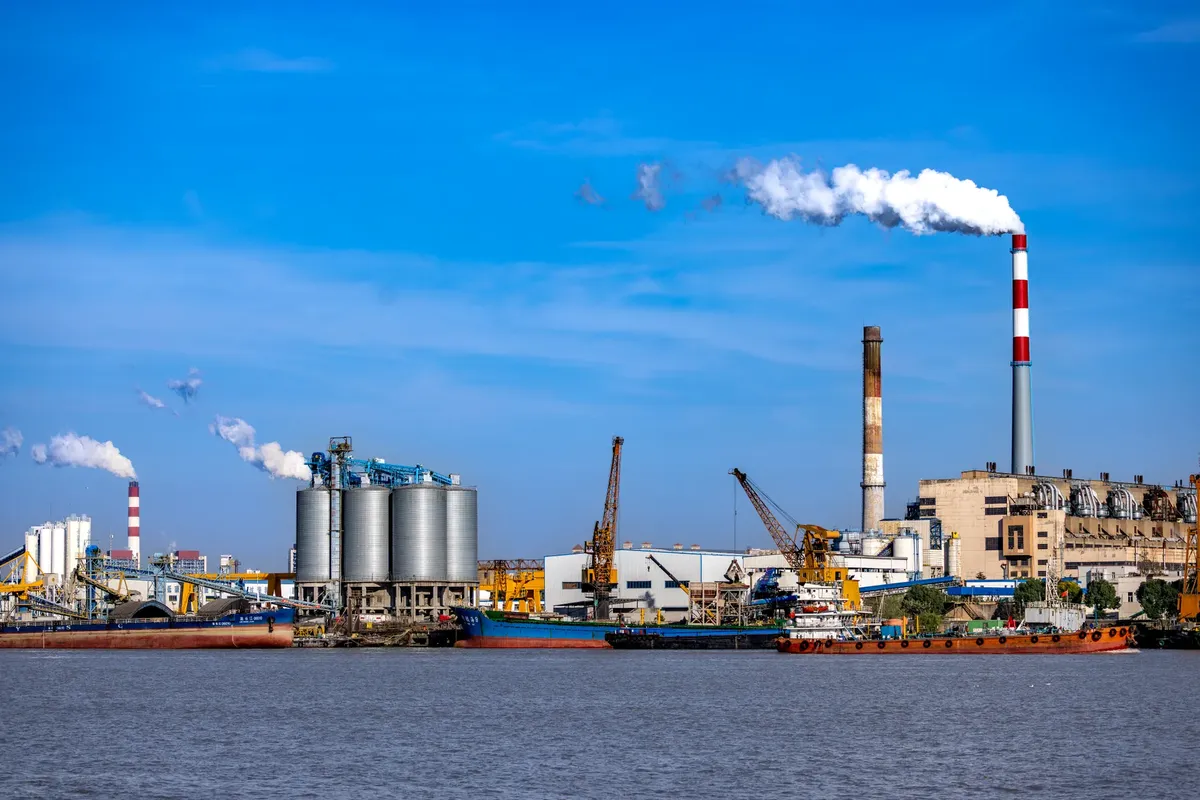
Addressing these energy and transport requirements is essential to maintaining the attractiveness of the country for long-term, large-scale investments.
How does culture affect business success?
Sitting in a quiet, air-conditioned cafe in Hanoi, watching a group of local professionals engage in a polite but firm meeting, one realizes that business is about more than just contracts. The nuances of communication and the importance of social standing play a vital role in every negotiation.
Understanding these social dynamics is as important as understanding the balance sheet.
In Vietnam, business is deeply rooted in relationship-based culture. Building trust is not a one-time event but a continuous process of engagement. Successful entrepreneurs often spend significant time developing personal connections before discussing formal agreements.
This is not about bypassing rules, but about establishing a foundation of reliability and mutual respect.
Key cultural considerations include:
* The importance of "face" or reputation; avoiding public criticism is essential for maintaining professional harmony. * Hierarchical respect; understanding the chain of command within local organizations is vital for effective communication. * Indirect communication; being able to read between the lines of polite refusals or subtle suggestions is a necessary skill for foreign partners.
I remember sitting through a multi-hour negotiation in a provincial office where nothing seemed to be decided on paper, yet by the end of the tea service, the real deal had been struck through mutual understanding.
This taught me that the formal meeting is often just the venue for the actual relationship-building.
What are the risks of rapid industrialization?
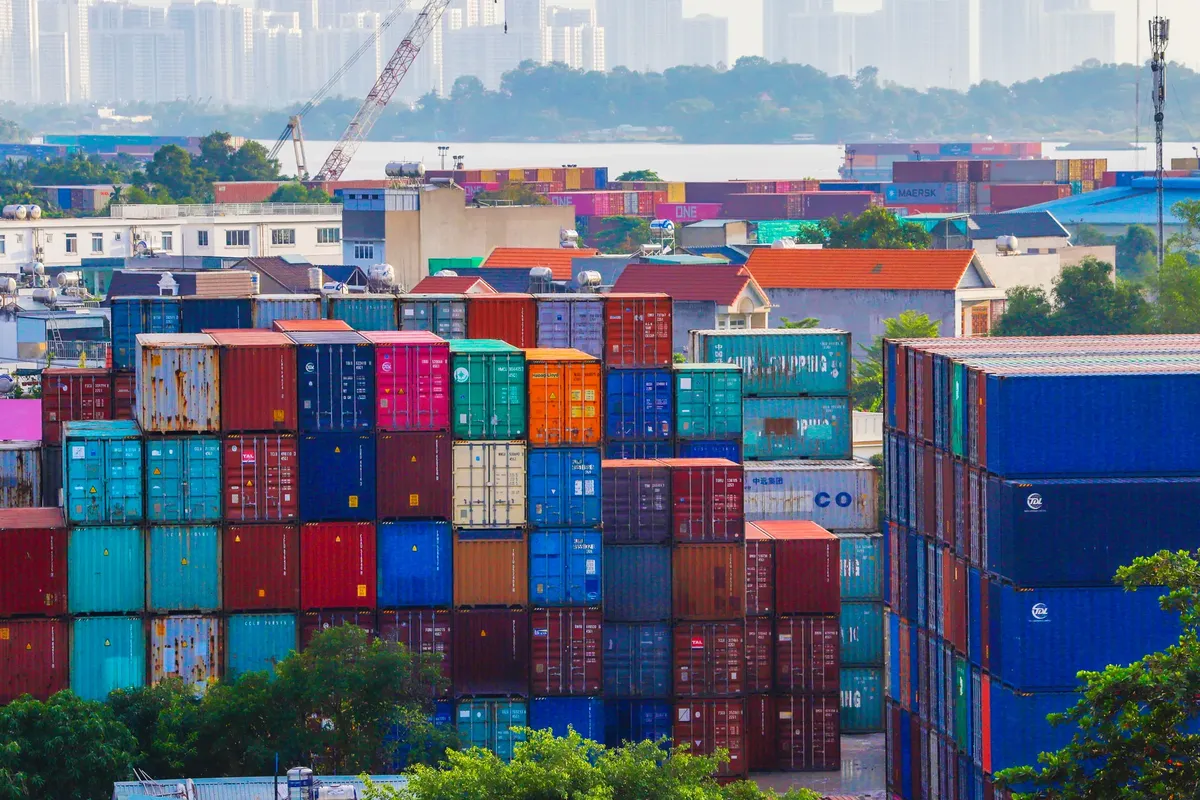
The sight of a newly built factory standing next to an old rice paddy captures the tension of a nation in transition. This juxtaposition is a visual representation of the risks associated with rapid economic shifts.
While the growth is beneficial, it brings about social and environmental challenges that cannot be ignored.
The risks of rapid industrialization include:
* Environmental degradation caused by increased industrial output and waste management challenges. * Social displacement as urban expansion moves into traditional agricultural lands. * Economic vulnerability if the country becomes too dependent on a single sector or a few major foreign investors.
These risks require proactive management through smart urban planning and strict environmental regulations. If the growth is not managed sustainably, the costs of environmental cleanup and social instability could eventually outweigh the economic gains.
Balancing the need for rapid development with the necessity of sustainability is the defining challenge of this era.
When I tried the steps in order, the second one is where I paused longest.
| Item | Figure |
|---|---|
| 1 | 0.45% |
| 2 | 22% |
Related


Comments 0