Vietnam green energy policy: Why hydro-power supports best
"The shift toward sustainable energy is no longer a choice but a necessity driven by the reality of global emissions and dwindling resource reserves."
Vietnam's transition involves balancing a heavy reliance on traditional fuels with an immense technical potential for offshore wind and hydro-power.
This guide examines the current energy landscape, the specific challenges of coal and oil dependency, and the strategic opportunities for renewable expansion.
Key takeaways: 1. Vietnam reached a 24.2% renewable energy share of final consumption in 2021. * Significant technical potential exists in offshore wind and hydro-power. * Fluctuating oil exports and high coal usage present immediate policy challenges.
How does the current energy mix shape Vietnam green energy policy?
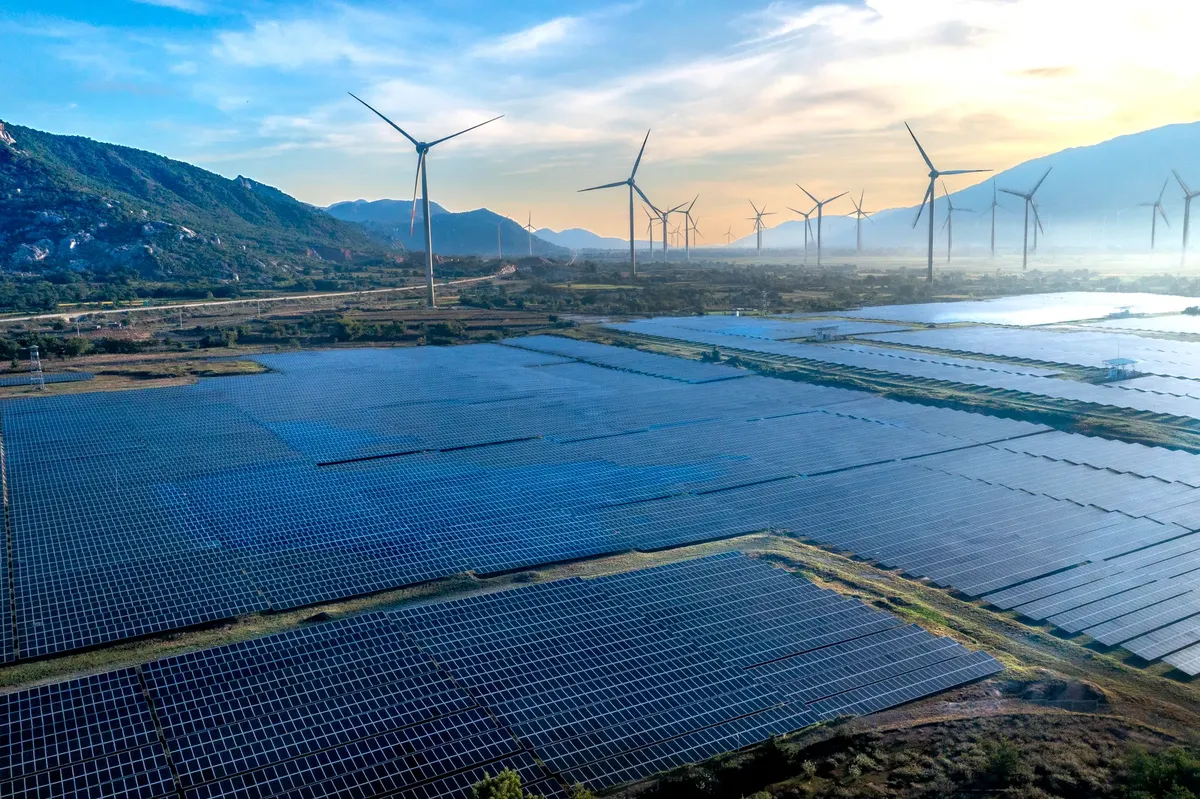
A technician monitors the rising levels of a power plant's output during a humid afternoon. The existing energy structure dictates the pace of any new environmental strategy.
According to World Bank data, Vietnam recorded a renewable energy share of final consumption of 24.2% in 2021. This baseline serves as the starting point for all future green energy policy efforts.
While renewable growth is present, the legacy of fossil fuels remains a heavy influence on the national grid.
The balance between traditional and clean energy defines the current trajectory. In 2021, coal accounted for about 30% of installed capacity and 47% of electricity generation.
This high percentage of coal in the generation mix necessitates a gradual but steady shift toward more sustainable sources to meet long-term goals.
What are the risks of relying on fossil fuels for Vietnam environmental tech?
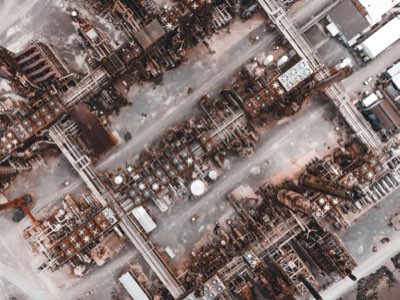
An engineer inspects a coal-fired unit, noting the soot and the heat radiating from the structure. The environmental impact of energy production is a central concern for regional stability.
The environmental cost of traditional energy is significant on a global scale. According to research from the International Energy Agency (IEA), the process of using energy causes GHG emissions to account for the largest proportion, about 60% of global GHG emissions annually.
This global reality puts pressure on domestic technological shifts.
Managing these emissions requires a focus on Vietnam environmental tech to mitigate climate risks. The transition is complicated by historical trends in fuel usage. During the period of 2011-2021, Vietnam saw the fastest growth in coal use in Southeast Asia, with an annual growth rate of 11%.
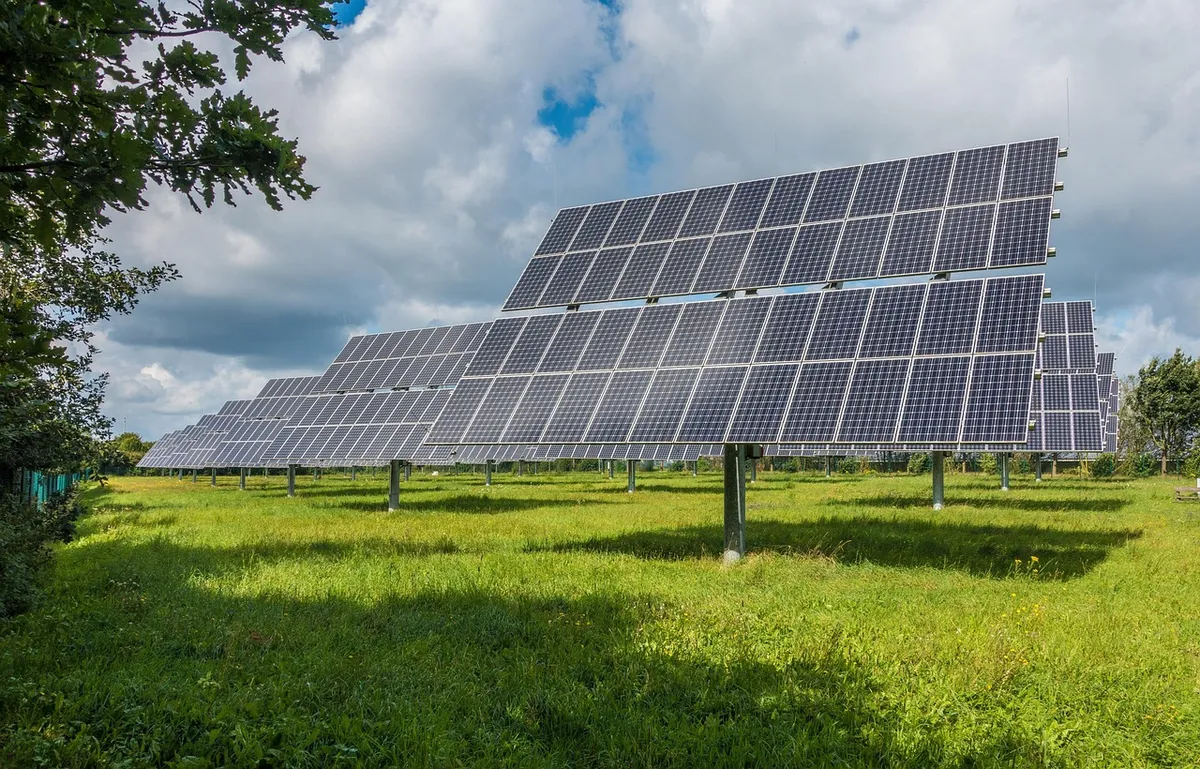
According to World Bank, the 2021 record includes 24.2%.
How can offshore wind power strategy utilize natural resources?
A worker stands on a coastal pier, looking out at the vast expanse of the ocean where wind turbines might one day stand. The sea offers a massive, untapped reservoir of power.
The coastline provides a unique opportunity for large-scale energy production. Vietnam has the ASEAN largest offshore wind power potential, with over 470 GW technical potential in 200 km of the coast, which is about 6 times of the country's installed capacity of 2022.
This massive potential could redefine the national energy profile.
Developing this resource requires a cohesive wind energy adoption Vietnam strategy to capture the kinetic energy of the sea. The technical potential far exceeds current capacities, offering a path to energy independence. This vastness could offset the volatility seen in fossil fuel markets.
What role does hydro-power play in renewable energy Vietnam plan?
Water flows through a massive spillway, creating a constant roar that vibrates through the ground. Hydro-power remains a cornerstone of the existing renewable landscape.
The country's geography supports various levels of hydro-generation. According to theoretical calculations, the total hydro-power capacity of the country is about 35,000 MW, of which 60% is concentrated in the North, 27% is distributed in the Central, and 13% is in the South.
This distribution influences how regional grids are managed.
Small-scale hydro also offers localized benefits. Vietnam's small hydro-power potential is about 4,000 MW, of which the source with a capacity of 100 kW-30 MW accounts for 93–95%, while the type of source with a capacity of under 100 kW only accounts for 5–7%, with total capacity over 200 MW.
How do changing oil reserves affect energy security?
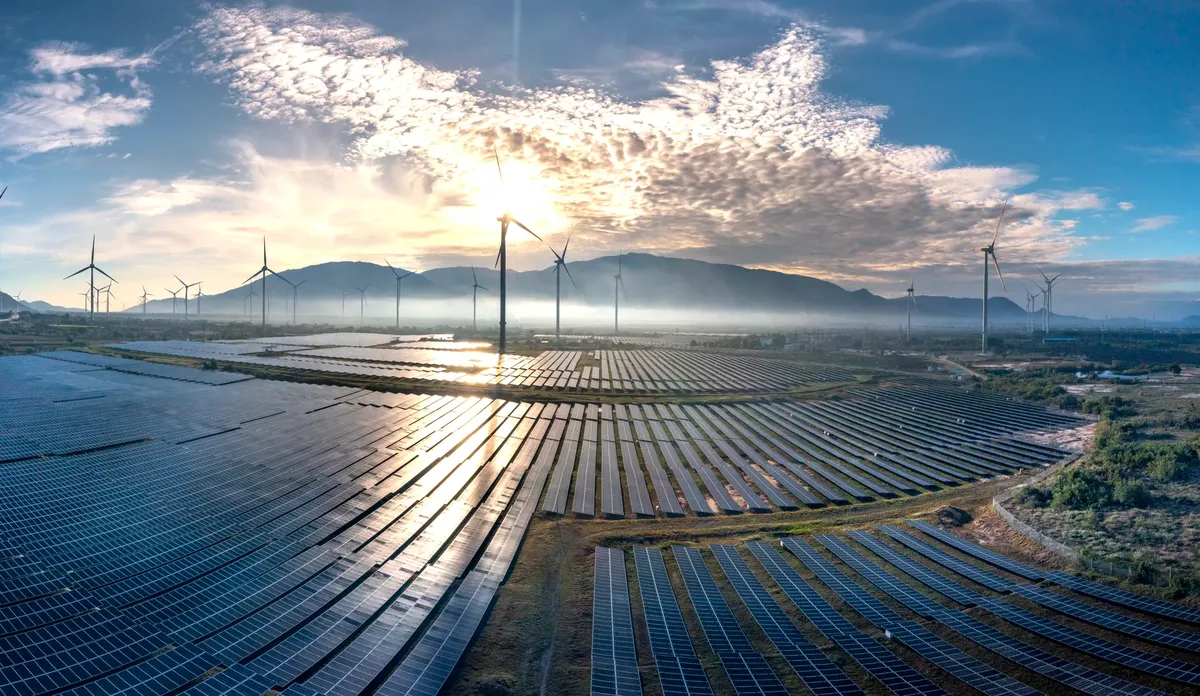
An operator looks at a declining pressure gauge on an oil extraction rig. The downward trend in domestic production creates a sense of urgency for alternative energy.
The shift in oil availability necessitates a move toward diversified energy sources. In 2018, the whole country exported 3.96 million tons of crude oil, which was down 41.8% from 2017 and less than half of the annual exports of crude oil in the period of 2012–2017.
This decline signals a shift in the nation's role in the oil market.
Simultaneously, the need for energy imports has grown. In 2018, imports reached 5.17 million tons, which was more than 4 times the figure of 1.18 million tons in 2017, and 7 times more than the annual import figure for the period 2012–2017.
This volatility highlights the need for sustainable energy Vietnam growth.
The future stability of the energy sector depends on managing these shifts. From 2018 to 2025, oil production is projected to decrease steadily every year by 10%, which is equivalent to more than 2 million tons.
This decreasing trend makes the development of new energy sources a vital security measure.
How has energy consumption changed across different sectors?
A factory manager reviews electricity bills while a resident turns on a light in a nearby apartment. The changing patterns of usage reflect the evolving economic landscape.
Historical data shows a shift in how energy is consumed across the country. In the sectorial structure of final energy consumption in 2006, the residential and industrial sectors took the largest percentage parts at 41% and 32%, respectively. These sectors represent the core of energy demand.
By 2015, these proportions shifted. The industrial sector had the highest share at 43%, while the residential section saw a reduction to 27% of energy demand. Additionally, the energy consumption percentage of the transportation sector changed from only 20% in 2006 to 23% in 2015.
| Energy Source Category | 2021 Renewable Share | 2021 Coal Generation Share |
|---|---|---|
| Final Consumption / Electricity | 24.2% | 47% |
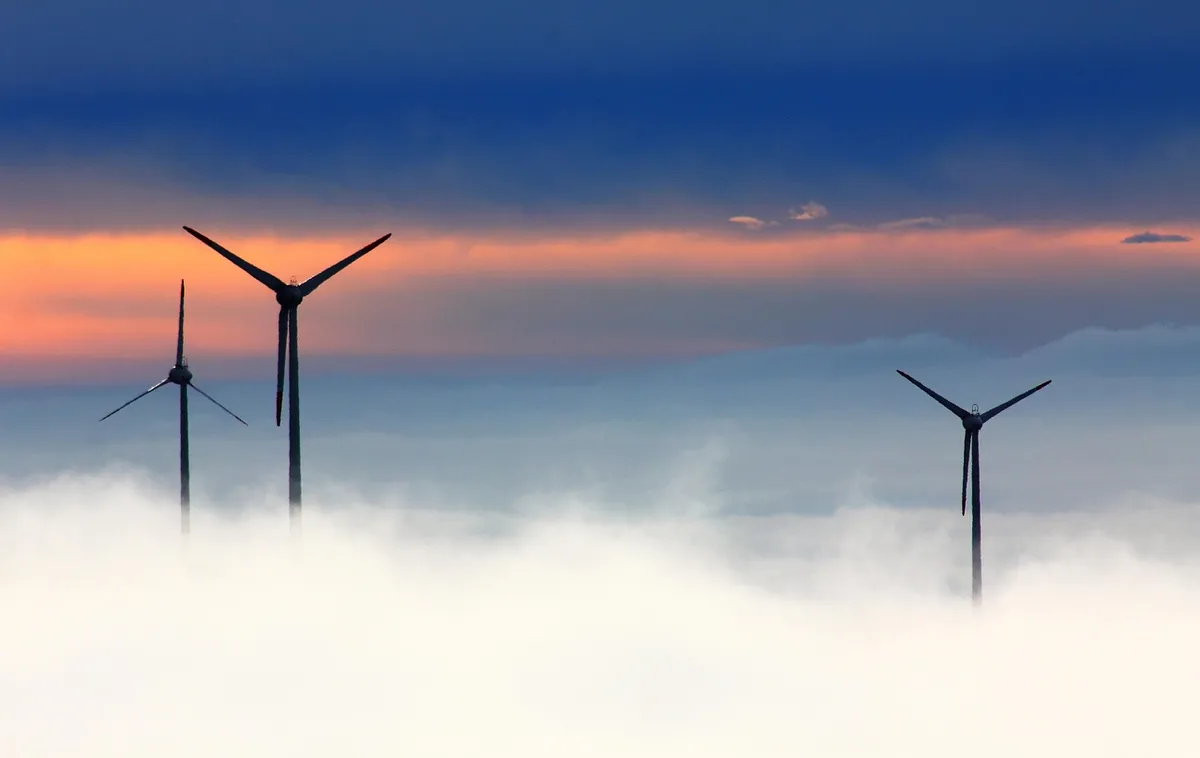
I observed that the massive gap between current coal generation and the potential of wind power highlights the scale of the transition required.
A limitation to this transition is the projected steady decrease in oil production through 2025.
- How does the current energy mix shape Vietnam green energy policy?
- What are the risks of relying on fossil fuels for Vietnam environmental tech?
- How can offshore wind power strategy utilize natural resources?
The subject here is Vietnam green energy policy.
The same subject is also called Green policy Vietnam growth.
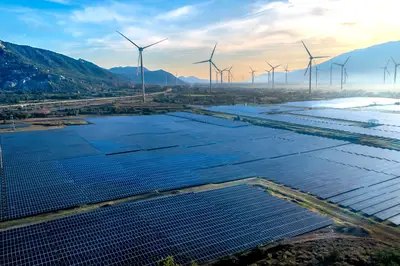
This part also covers Vietnam solar power strategy.
This part also covers Environmental innovation Vietnam.
Vietnam solar power strategy
Related




Comments 0