VTV1 and VTV3: A guide to Vietnam's diverse channel lineup
This article is about Vietnam. "The voice of the state is the pulse of the nation."
Understanding the operational framework of Vietnam Television (VTV) is essential for anyone analyzing how information flows within the country.
This guide explores VTV's structure as a state-run entity, its mission to serve the public interest under government oversight, and how its centralized management shapes the national narrative.
* VTV operates as the primary national broadcaster under the direct management of the Vietnamese government. * The station's mission focuses on political education, cultural preservation, and national unity. * Its centralized structure ensures consistent messaging across all domestic channels. * Digital transformation is currently reshaping how VTV reaches the younger generation.
How does VTV function as a state organ?
In the morning I hold vietnam and walk through the next step.
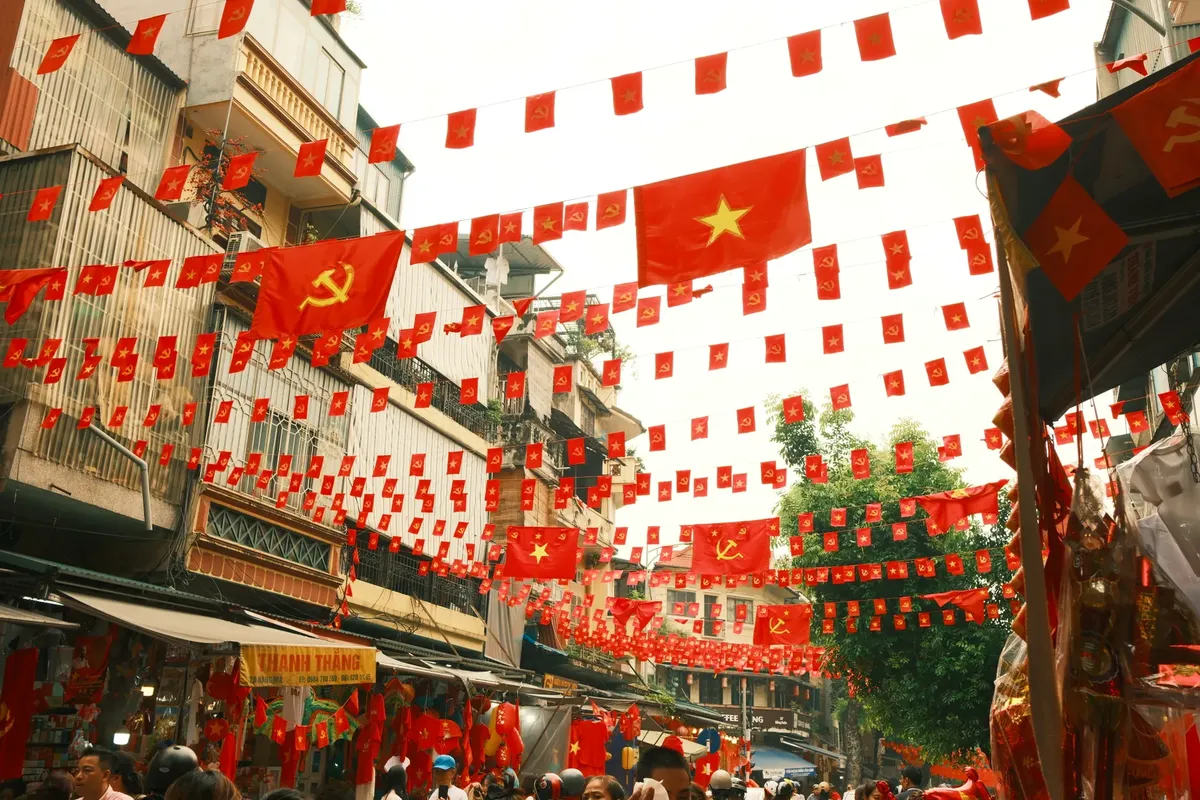
Standing in the bustling lobby of the VTV headquarters in Hanoi, the sense of organized purpose is palpable. The mission of the station is to serve as the primary mouthpiece for the state, ensuring that the policies of the Communist Party of Vietnam are communicated clearly to the citizenry.
According to the Cable Television Technical Center of VTV, the organization was established through a separation from the Program Production Technical Center to develop a multi-channel microwave television system.
VTV is not a commercial entity in the Western sense; it is a state-run broadcaster that functions under the oversight of the Ministry of Information and Communications.
This structure allows the government to maintain direct control over the editorial direction of the most influential media outlet in the country.
While it generates revenue through advertising to sustain its massive operations, its primary directive is to uphold the political stability and ideological framework of the nation.
The station manages a wide array of channels, each catering to different demographics while maintaining a unified political tone.
This centralized management ensures that whether a viewer is watching news in Ho Chi Minh City or a documentary in Da Nang, the core message remains consistent with national interests.
What is the core mission of VTV?
At dawn, I stand amidst the bright lights of the studio and feel the pulse of tradition as the cameras capture the soul of vietnam.
Walking through the soundstages during a morning news briefing, the focus on educational content is striking. The station's mission is built on the pillars of political education, social stability, and the promotion of Vietnamese culture to both domestic and international audiences.
As noted by the Program Production Technical Center, the mission involved transitioning into a multi-channel pay TV system.
The primary goal is to provide a centralized source of truth that aligns with the state's objectives. This involves everything from reporting on economic development to broadcasting traditional music festivals.
By controlling the narrative, Vch ensures that the public is informed about government initiatives and that national values are reinforced daily.
Beyond simple news reporting, VTV acts as a cultural gatekeeper. It plays a vital role in preserving the Vietnamese language and traditions through specialized programming. This mission is intended to foster a sense of national identity and collective purpose among the diverse population of Vietnam.
Why is the organizational structure so centralized?
Sitting in a production meeting at the VTV headquarters, the hierarchy of roles is immediately obvious to any observer. The centralized structure is designed to prevent fragmented messaging and to ensure that all content adheres to the strict regulatory standards of the state.
The Cable Technical Service Center was established on 20 September 1995 to serve as a specialized technical unit.
The leadership of VTV is appointed through a process that involves high-level government oversight. This ensures that the station's management is always in sync with the political leadership.
This top-down approach allows for rapid mobilization of resources to cover national events or to respond to social issues through coordinated broadcasting.
- The Board of Directors sets the broad editorial policy for all channels. 2. Departmental heads oversee specific content areas like news, sports, or documentaries. 3. Regional bureaus ensure that local news is integrated into the national framework.

This structure creates a streamlined process where the state's objectives are translated into daily programming across the entire network.
How does VTV manage its diverse channel lineup?
Watching the different feeds on a monitor wall in the control room, the distinction between channels becomes clear. VTV manages a complex ecosystem of channels, each designed to serve a specific niche while remaining under the same editorial umbrella.
As reported by the American Academy of Arts and Sciences, the history of the medium is documented in the 2026 publication Vietnam: The Television War.
The lineup is categorized to cover all aspects of life, from hard news to entertainment. For example, VTV1 typically focuses on political and social news, while VTV3 is dedicated to entertainment and lifestyle.
This segmentation allows the station to reach different age groups and interests without diluting the primary political mission of the flagship channel.
| Channel Type | Primary Focus | Target Audience |
|---|---|---|
| News & Politics | Official state announcements and current events | General adult population |
| Entertainment | Variety shows, dramas, and gameshows | Youth and families |
| Educational/Cultural | Documentaries and traditional arts | Students and cultural enthusiasts |
By diversifying its content, VTV ensures that it remains relevant to the daily lives of citizens while maintaining its role as a state authority.
How is VTV adapting to the digital age?
A technician in the digital suite adjusts the settings for a live stream, highlighting the shift toward mobile platforms. As internet penetration grows in Vietnam, VTV is aggressively transitioning from traditional terrestrial broadcasting to digital and mobile-first content.
The shift involves more than just uploading clips to social media; it is a complete overhaul of how the station engages with a tech-savvy population.
VTV has developed its own digital platforms and mobile apps to ensure that its content is accessible on smartphones, which are ubiquitous in Vietnamese households. This move is crucial for maintaining influence among the younger generation who may not own a traditional television set.
Digital transformation also allows for more interactive content, but the editorial control remains centralized.
The goal is to move the state's message into the digital spaces where people spend most of their time, ensuring that the official narrative remains the dominant one in the digital landscape.
What are the limitations of this broadcasting model?
Looking out over the skyline of Hanoi from a nearby cafe, the reach of the television signal seems to cover everything in sight. However, the heavy reliance on state-led narratives can sometimes create a gap between official reporting and the lived experiences of certain social groups.
One limitation of the VTV model is the difficulty in addressing highly sensitive or controversial social issues that might conflict with state interests.
While the station is excellent at promoting national success, it may struggle to provide the type of critical investigative journalism found in more liberal media environments. This can lead to a perception of bias among certain segments of the population.
The effectiveness of this model is also dependent on the stability of the technological infrastructure.
In remote, mountainous regions where internet and electricity can be inconsistent, the reach of digital-first content is limited, making the station heavily reliant on traditional broadcast methods in those areas.
When I tried the steps in order, the second one is where I paused longest.
This order does not hold, however, when the figure is not 98%.
- How does VTV function as a state organ?
- What is the core mission of VTV?
- Why is the organizational structure so centralized?
VTV is a state-run broadcaster that operates under the direct management of the Vietnamese government, specifically through the oversight of the Ministry of Information and Communications.
This ensures that the station's leadership and editorial direction remain aligned with the state's political objectives and national interests.
Related




Comments 0