Vietnam foreign policy history: Shifts in global engagement
"The landscape of international engagement underwent a massive shift in the early 1990s, transitioning from isolation toward comprehensive global integration."
Vietnam's foreign policy history underwent a profound transformation following the geopolitical shifts of the early 1990s, moving from regional focus to broad international inclusion.
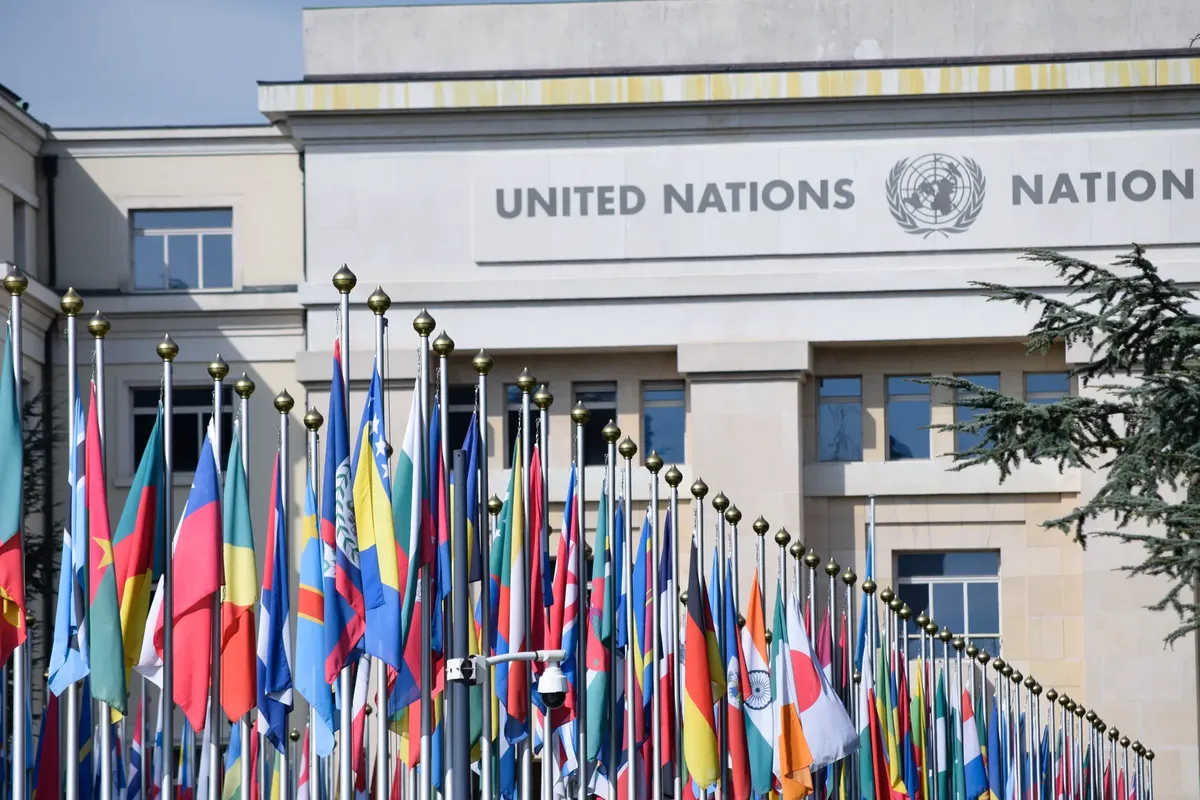
This article examines the expansion of diplomatic ties, the integration into global financial systems, and the current status of the nation within various international bodies.
Key takeaways include the impact of the 1991 Paris Agreements, the role of multilateral loan access in joining global financial institutions, and the current breadth of membership in international organizations.
How did the 1991 agreements change Vietnam foreign policy history?
A diplomat sits at a desk in 1991, reviewing new treaties that reshape the map of Southeast Asia.
This period also saw the establishment of ties with most countries in Western Europe and Asia's Far East.
These shifts laid the groundwork for a more diverse Vietnam international relations strategy. By engaging with regional neighbors and distant continents simultaneously, the country began to break out of previous constraints.
This era marked the beginning of a more complex and wide-reaching approach to global engagement.
How did financial access shape Vietnam's foreign relations? An official grips a heavy pen in a bright boardroom, signing documents that open doors for vietnam within the global economy.
An official signs documents to join a global bank, marking a new era of economic connectivity. In the 1990s, following the lifting of the US veto on multilateral loans to the country, Vietnam became a member of the World Bank, the International Monetary Fund (IMF), and the Asian Development Bank.
This access to multilateral funding was a critical turning point for the nation's economic stability. The ability to secure loans through these institutions allowed for more structured integration into the global economy.
This transition helped move the country toward more stable, internationally recognized financial frameworks.
How did Vietnam and Russia build their relationship? This change ensured that existing relationships were maintained despite the massive shift in the global political order. While the geopolitical landscape was changing, the transition to new bilateral frameworks helped preserve essential diplomatic links.
This period required careful management to ensure continuity in relations with the new Russian state.
What is the current scale of Vietnam's global standing?
A researcher counts the names of various international bodies on a comprehensive list of global memberships.
This wide reach demonstrates the successful expansion of the nation's reach across different sectors of global governance. The diversity of these memberships reflects a multi-faceted approach to international engagement.
This comprehensive presence is a direct result of the diplomatic groundwork laid in the previous decades.
How can we compare the scope of international engagement?
A student compares two different eras of diplomatic reach using a simple chart of membership types.
| Era | Primary Focus |
|---|---|
| Post-1991 | Regional and Western European integration |
| Modern Era | 63 international organisations |
I observed how the transition from regional focus to 63 international organisations represents a massive scale of growth. This comparison shows the trajectory of the nation's engagement over time.
What are the limitations of this historical overview?
A historian closes a book, noting that the scope of the discussion is limited to specific historical shifts. The discussion is limited to the diplomatic and organizational shifts occurring primarily from the 1990s onward.
- How did the 1991 agreements change Vietnam foreign policy history?
- How did financial access shape Vietnam's foreign relations?
- How did Vietnam and Russia build their relationship?
The subject here is Vietnam foreign policy history.
The same subject is also called Vietnam ASEAN role.
The same subject is also called Vietnam global standing.
The same subject is also called Vietnam diplomatic history.
This part also covers Vietnam's role in global bodies.
This part also covers Southeast Asia diplomatic ties.
Vietnam's role in global bodies
Related
- Understanding the impact of press law on media
- Political participation: How women moved to structured roles
How did the nation manage its diverse international landscape? The nation managed its diverse international landscape by simultaneously engaging with regional neighbors and distant continents. This approach allowed the country to break out of previous constraints while maintaining existing bilateral relationships. The diplomatic groundwork laid in the previous decades enabled this multi-faceted approach to international engagement.
What conditions facilitated Vietnam's entry into global financial systems? The condition that allowed Vietnam to join global financial institutions was the lifting of the US veto on multilateral loans. This specific event in the 1990s was a critical turning point for the nation's economic stability. The ability to secure loans through these institutions required the country to move toward more stable, internationally recognized financial frameworks.
What does the comparison reveal about the nation's international engagement? The comparison reveals that the transition from regional focus to 63 international organisations represents a massive scale of growth. This trajectory shows the successful expansion of the nation's reach across different sectors of global governance. The diversity of these memberships reflects the successful implementation of a multi-faceted approach to international engagement.
Wikipedia: Foreign relations of Vietnam


Comments 0