Can travelers experience these traditions?
"The Gong Culture of the Central Highlands of Vietnam was officially recognized by UNESCO on 25 November 2005 as a Masterpiece of the Oral and Intangible Heritage of Humanity."
The 2026 Vietnam Culture Day involves various local activities designed to celebrate regional traditions and heritage. This event serves as a platform for cultural preservation, offering insights into historical legacies and artistic expressions.
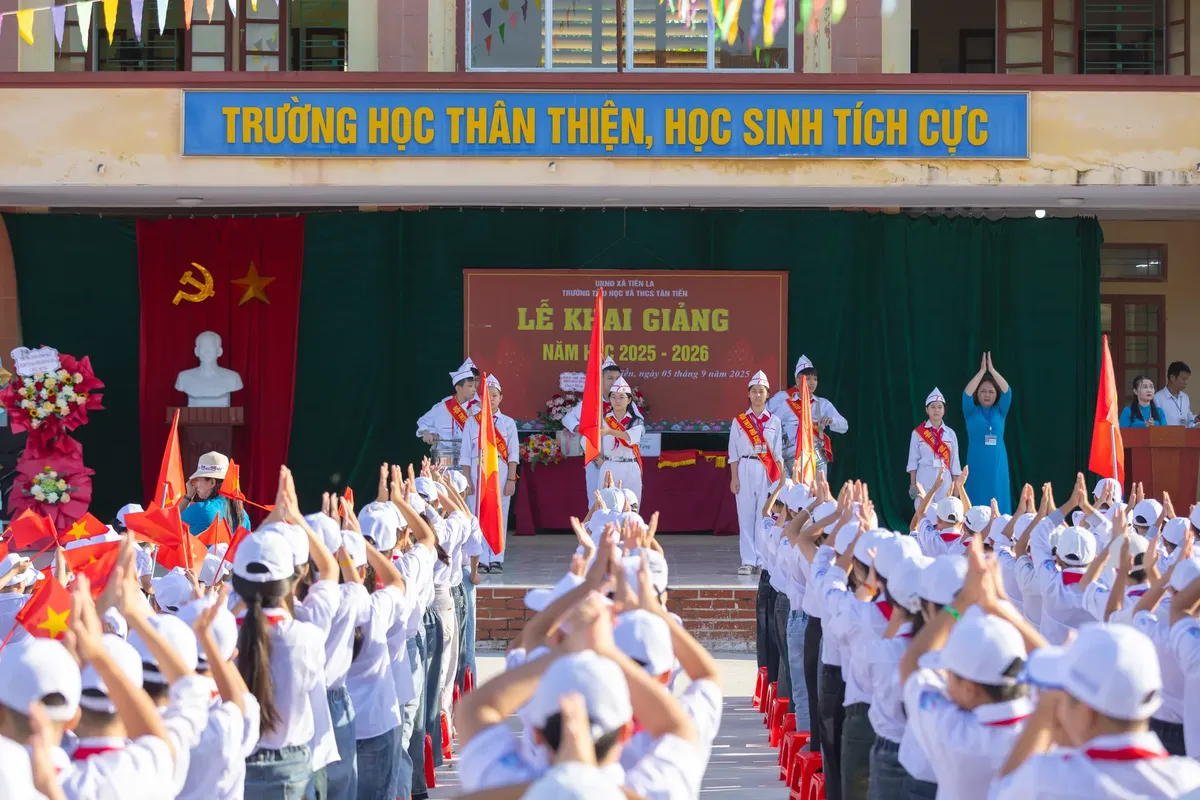
Key takeaways include the importance of intangible heritage, the role of national ministries in cultural management, and the potential for regional exploration through structured itineraries.
What exactly is the 2026 Vietnam Culture Day? A local festival planner marks a calendar in a sunlit office, preparing for the upcoming festivities. The 2026 Vietnam Culture Day focuses on highlighting the deep-rooted traditions that define the nation's identity.
This celebration aims to connect modern citizens with historical legacies through community engagement and artistic displays.
The significance of such events lies in the recognition of unique heritage. For instance, the Gong Culture of the Central Highlands of Vietnam was officially recognized by UNESCO on 25 November 2005 as a Masterpiece of the Oral and Intangible Heritage of Humanity.
This historical recognition provides a foundation for modern celebrations of identity.
How is cultural heritage managed?
A government official reviews a stack of documents regarding the organization of national festivals. The management of such diverse traditions often falls under the jurisdiction of central authorities.
The Ministry of Culture, Sports, and Tourism (Vietnam) oversees these broad sectors to ensure organized celebrations.
The structure of this oversight was established through administrative changes.
On July 31, 2007, the 12th National Assembly established the Ministry of Culture, Sports, and Tourism by merging the Committee for Physical Education and Sports, the General Department of Tourism, and the cultural division of the Ministry of Culture and Information.
This merger created a unified body to handle diverse cultural needs.
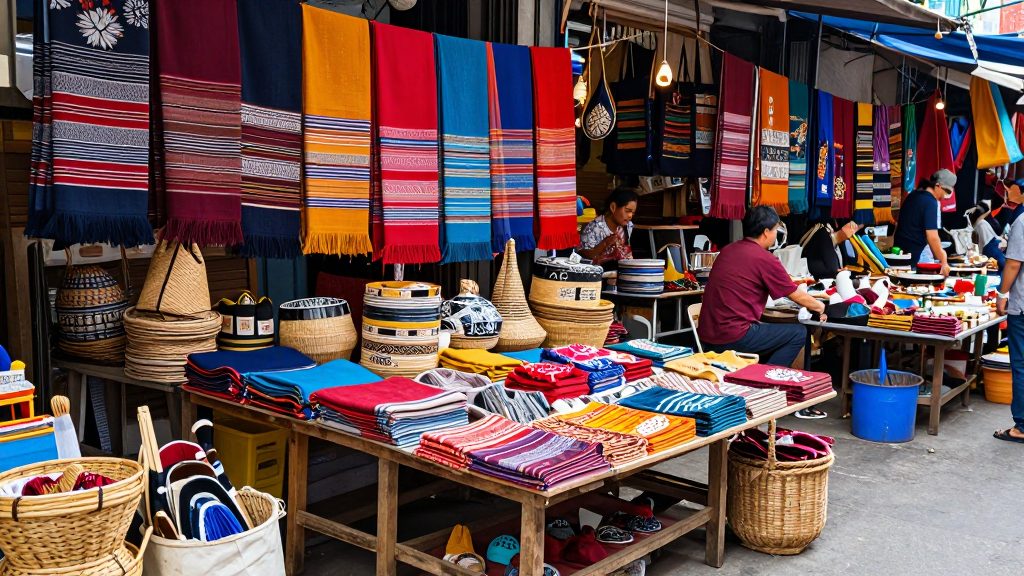
Can I actually experience these traditions? A traveler carries a camera through a bustling marketplace, looking for authentic local scenes. Exploring these traditions often requires a well-planned journey through different regions. Many visitors find that a 7-day trip can still offer a fulfilling and well-paced journey through the country.
For those interested in the 2026 Vietnam Culture Day, specific itineraries can help navigate the landscape. For adventurers, a journey to the north of Vietnam is often praised for its unique natural and cultural features.
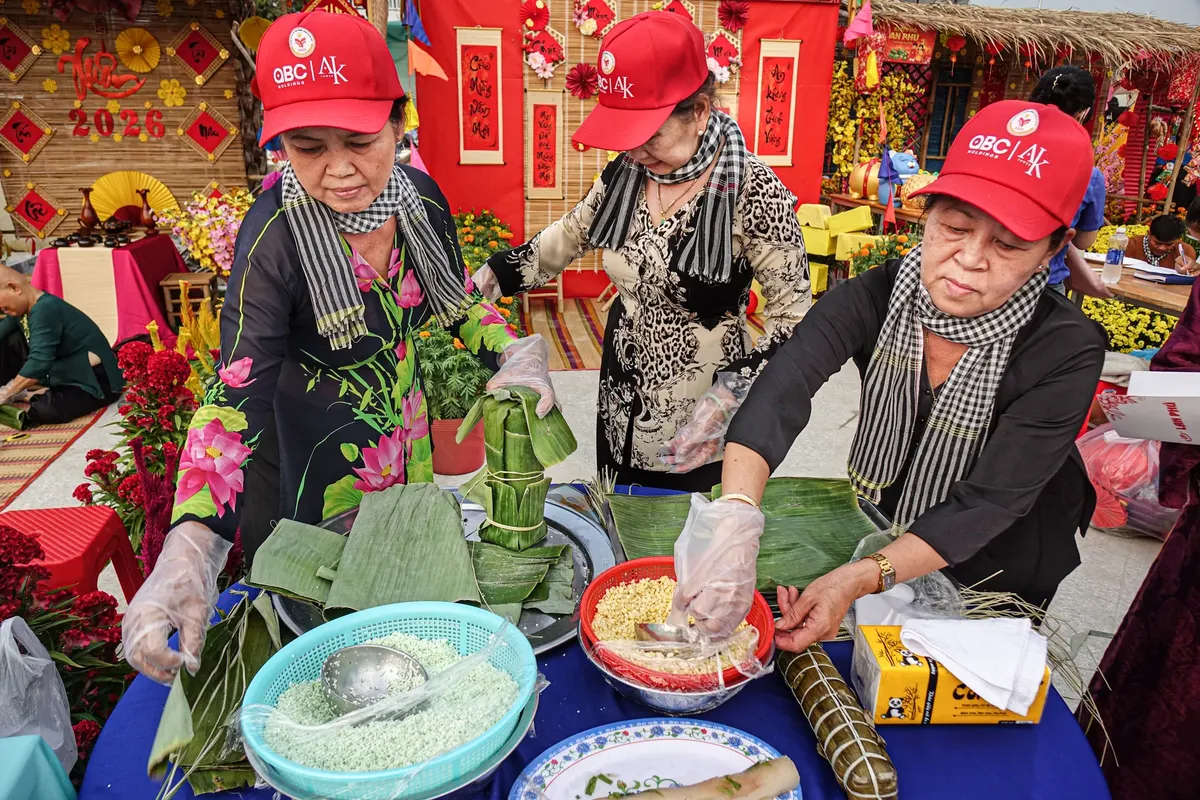
This allows for a direct encounter with the living history that fuels these seasonal celebrations.
What are the best ways to explore regional art?
A musician tunes a traditional instrument in a quiet courtyard before a performance. Regional art expression often takes center stage during these cultural windows. Travelers can choose between various paths to witness these displays, such as exploring mountainous areas or river-based cruises.
| Itinerary Type | Focus Area |
|---|---|
| Northern Exploration | Unique natural and cultural features |
| Southern Discovery | Local lives and Mekong cruises |
I find that choosing a specific route helps in understanding the depth of the local arts celebration. A structured plan ensures that the 2026 Vietnam culture plan remains accessible to those with limited time.
How long do these cultural festivities last?
A family gathers around a large table, preparing for a traditional meal during a holiday. While a specific event might have a set duration, many cultural celebrations are tied to the lunar calendar. This can lead to extended periods of celebration depending on the timing of the year.
The timing of traditional festivals can vary significantly. For example, Tet includes 4 main days: the last day of the old year (Lunar New Year’s Eve) and the first 3 days of the new year.
However, customs related to Tet usually take place a few days before or after, so the festival often lasts 22 days or 23 days depending on the lunar month.
How to plan a trip for the 2026 Vietnam Culture Day?
A traveler sits at a desk, sketching a route on a map of Southeast Asia. Planning a trip to coincide with a major cultural event requires careful consideration of timing and location. Using a structured itinerary can turn a simple visit into a deep dive into regional heritage.
- Select a specific region, such as the north for mountains or the south for river life. 2. Research the specific dates of the cultural event to ensure attendance at key performances. 3. Book accommodations that reflect the local culture, such as luxury cruises or traditional stays.
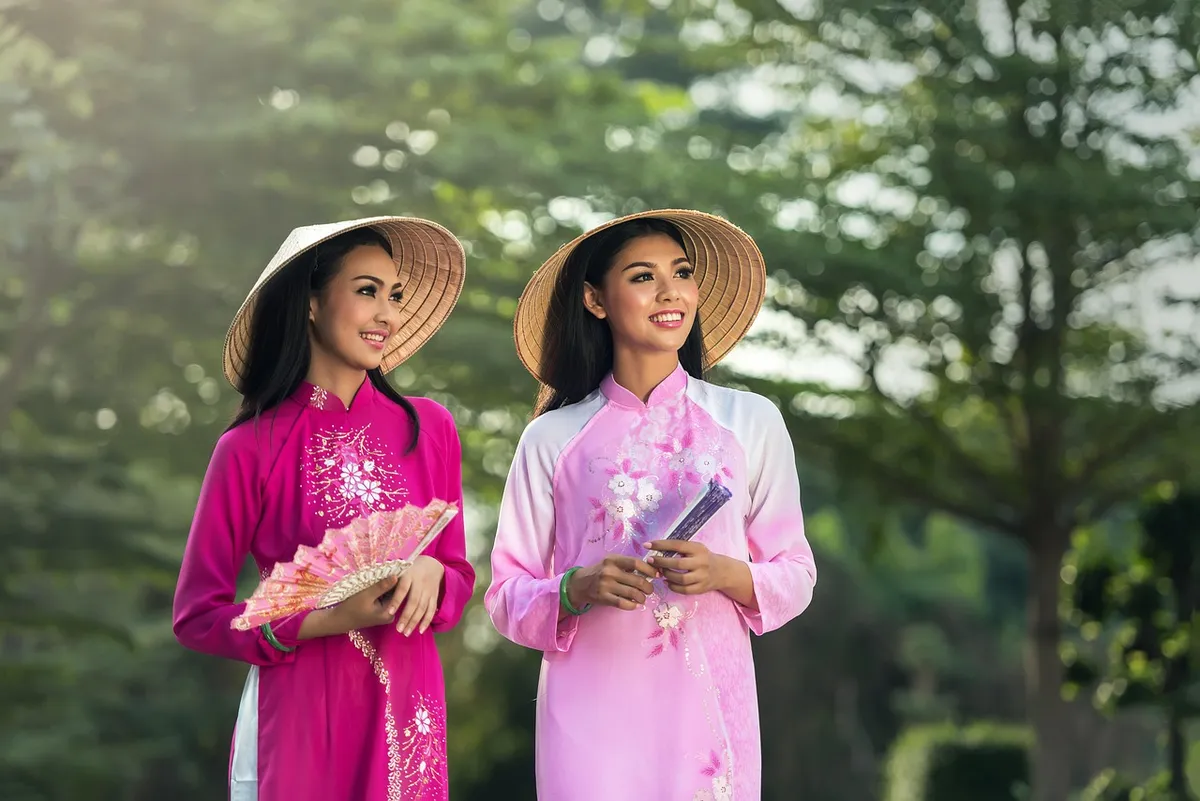
I always check the specific dates against the lunar calendar to avoid missing the peak of the festivities. A final check of the itinerary ensures that the journey remains well-paced and fulfilling.
- What defines the 2026 Vietnam Culture Day?
- How is cultural heritage managed?
- Can travelers experience these traditions?
The same subject is also called Dong Thap culture event.
The same subject is also called Vietnam cultural festival 2026.
The same subject is also called Traditional performance event.
This part also covers Dong Thap international culture.
This part also covers 2026 cultural content plan.
Dong Thap international culture
Related
- Vietnam culture globalization impact: How to guide heritage
- Five Real Reasons Korean Companies Are Flocking to Vietnam
Considering the Gong Culture in Travel Planning? The Gong Culture provides a tangible example of the intangible heritage celebrated during these days. Travelers seeking deep immersion into the Gong Culture should prioritize regions where this tradition remains actively practiced. This focus allows visitors to move beyond mere observation toward genuine cultural participation.
When planning around the Gong Culture, one must recognize that its recognition by UNESCO signifies its global value. This international status reinforces the importance of local preservation efforts during the 2026 Vietnam Culture Day celebrations.
Understanding this context enriches the traveler's experience significantly.
Different regional explorations offer varying access points to the Gong Culture. A journey targeting the Central Highlands specifically offers the most direct comparison to the recognized heritage. Conversely, a broader trip might only offer peripheral glimpses of this significant cultural aspect.
Wikipedia: [industry] Ministry of Culture, Sports and Tourism (Vietnam) Based on the retained excerpt mentioning General Department of Tourism: The ministry was founded in 2007 after the merger of the Committee of Physical Training and Sports of Vietnam, General Department of Tourism, and the Culture section from the Ministry of Culture and Information.




Comments 0