System guide: How Vietnam balances state and private care
Vietnam's healthcare journey has shifted from the fragmented, war-torn realities of the mid-20th century to a centralized, modernizing system that balances traditional wisdom with digital innovation. The state-led model focused on building a grassroots network of commune health centers to ensure that even rural populations had access to basic medical personnel.
"The history of medicine is the history of survival."
This evolution covers the transition from post-war reconstruction to the complex infrastructure seen in cities like Hanoi and Ho Chi Minh City today.
* Post-war reconstruction focused on basic infectious disease control. * The shift toward market-oriented reforms introduced private healthcare options. * Modernization involves integrating digital health and managing rising non-communicable diseases. * The system relies on a mix of state-run hospitals and growing private clinics.
System: How will we move from war-torn clinics to centralized recovery? In the morning I hold system and walk through the next step.
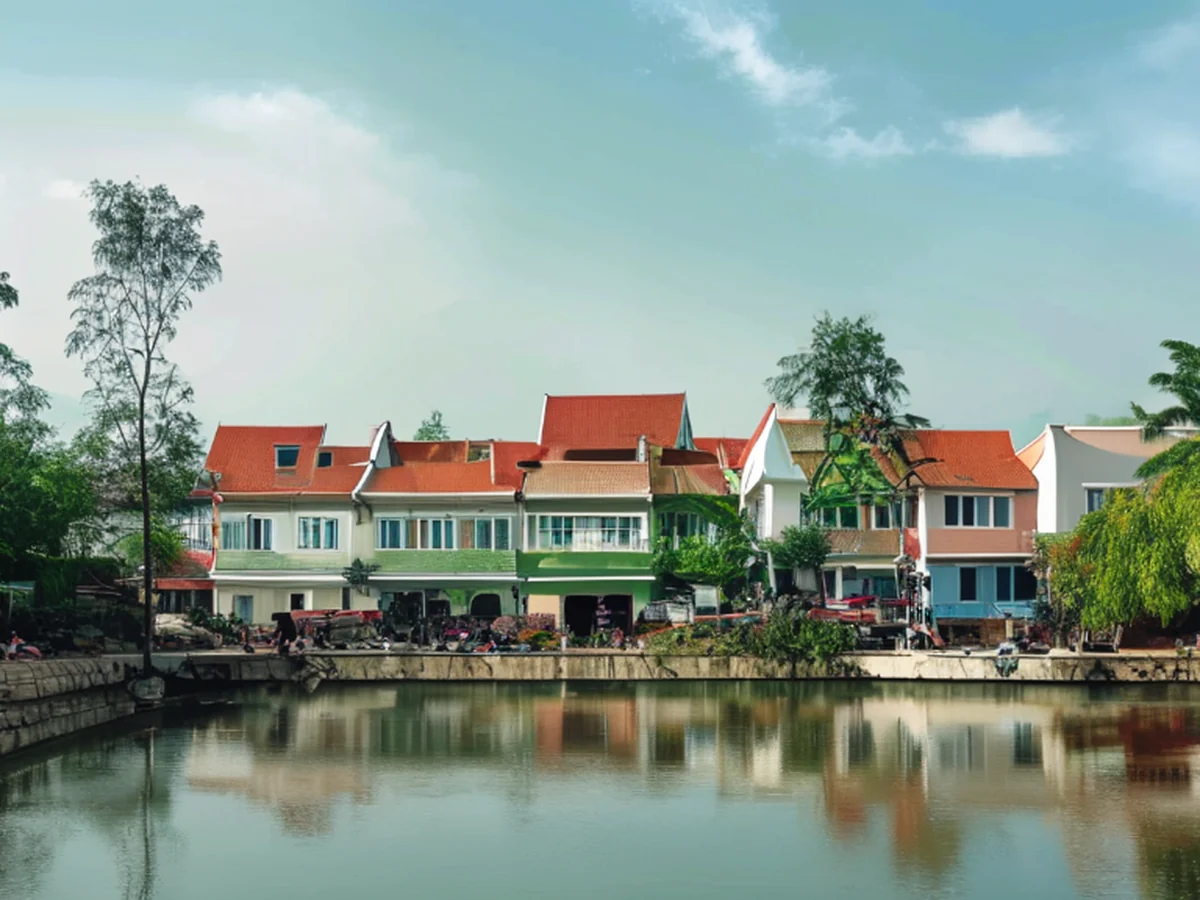
A soldier limps through a muddy field in the late 1970s, seeking basic antibiotics in a makeshift clinic. This era of rebuilding defined the early years of the unified Vietnamese healthcare system.
According to the Columbia University Mailman School of Public Health, groundbreaking studies reveal the lasting impact of PTSD on Vietnam veterans more than 50 years later in 2025.
According to the annual report of the Vietnamese Health Ministry, the country had 24.7 hospital beds per 10,000 people in 2000, a figure that declined to 23.7 in 2005.
Following the reunification of the country, the primary goal was to establish a foundational network of clinics to manage widespread infectious diseases and basic trauma.
This centralized approach was essential for managing public health crises in a country with limited resources and a heavily damaged infrastructure. While the coverage was broad, the depth of specialized care remained limited to major urban centers.
The focus on basic hygiene and vaccinations laid the groundwork for the massive improvements in life expectancy seen in later decades. This period of stabilization was the prerequisite for any further medical advancement.
- Reconstruct damaged medical facilities.
- Establish a centralized supply chain.
- Train staff on new protocols.
What does the shift toward market-oriented healthcare mean? In the evening I hold system and walk through the next step.
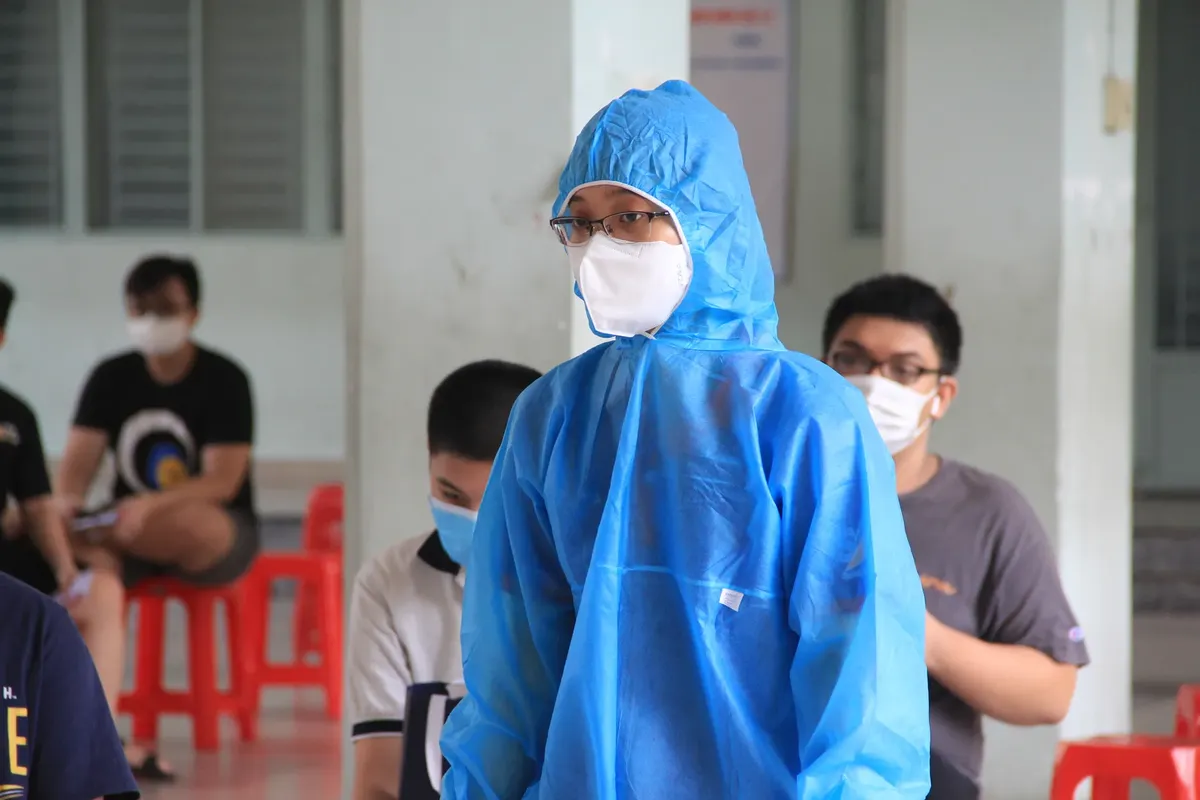
A young professional in Ho Chi Minh City walks into a bright, air-conditioned private clinic to avoid the long queues at a state hospital. This scene represents the dramatic shift that occurred as Vietnam moved toward a more market-oriented economy.
As reported by the World Health Organisation, health spending in low-income countries rose by 7.8% a year between 2000 and 2017.
As noted by the World Health Organisation, health spending in low-income countries rose by 7.8% a year between 2000 and 2017.
As the country opened up, the healthcare landscape began to diversify beyond purely state-run facilities.
The introduction of economic reforms allowed for the emergence of private medical providers and specialized clinics. This change addressed the growing demand for better service quality and shorter wait times among the rising middle class.
While the state-run hospitals remained the backbone of the system, the private sector began to fill gaps in specialized care and elective procedures.
This dual-track system created a complex environment where accessibility often depended on economic status. The tension between public service and private enterprise became a defining characteristic of the modern era.
In this sequence, the first step is the most critical.
Integrating traditional medicine with modern science
An elderly woman in Hanoi sits in a quiet room, receiving herbal treatments from a practitioner while a digital monitor tracks her vitals nearby. This blend of old and new is a hallmark of the Vietnamese medical approach.
In 2009, Hungary spent 7.4% of the GDP on health care, which was lower than the average of the OECD.

Research from Columbia University highlights the lasting impact of PTSD on Vietnam veterans more than 50 years later, as discussed in a 2025 report.
For centuries, traditional medicine has been deeply rooted in the culture, and it remains a vital component of the current healthcare system.
The government has actively worked to integrate traditional medicine with modern biomedical practices. This means that many hospitals now feature departments for both herbal treatments and advanced surgical procedures.
This hybrid model allows for a more holistic approach to patient care, catering to both cultural preferences and scientific requirements.
Maintaining this balance requires constant training for practitioners to ensure that traditional methods meet modern safety standards. This integration is not just about culture; it is a practical response to the diverse needs of the population.
Addressing the rise of non-communicable diseases
A man in his fifties sits in a waiting room, discussing hypertension management with a doctor. This represents the modern challenge: the shift from infectious diseases to chronic, non-communicable conditions. Data from the OECD indicates that Hungary spent 7.4% of its GDP on health care in 2009.
As life expectancy has increased, the healthcare system has had to pivot from managing acute outbreaks to managing long-term health issues like diabetes, heart disease, and cancer.
This transition requires a fundamental change in how healthcare is delivered. Instead of just treating sudden illnesses, the system must now focus on preventative care, regular screenings, and long-term medication management.

This shift places a greater burden on the healthcare infrastructure and requires more specialized geriatric and chronic care services.
The rising cost of treating these conditions is a significant economic pressure on both families and the state. Addressing this requires better management of lifestyle factors and more efficient outpatient care.
Building a digital health infrastructure
A doctor in a bustling urban hospital taps on a tablet to access a patient's electronic health record. This digital transformation is the current frontier of the Vietnamese healthcare system.
As the population becomes more tech-savvy and urbanized, the demand for efficient, data-driven medical services is skyrocketing.
Digital health initiatives aim to streamline everything from appointment scheduling to the management of large-scale health data. This includes the implementation of electronic medical records (EMR) to ensure continuity of care across different facilities.
Such technology helps reduce administrative errors and allows for better tracking of public health trends.
However, the digital divide remains a challenge, especially in remote mountainous regions where internet stability and hardware access are inconsistent. Bridging this gap is essential for creating a truly unified national health network.
Applying modern health management
To navigate the complexities of the current system, patients and providers often follow specific protocols to ensure quality care.

- Consult with a primary care provider or commune health center for initial diagnosis and basic management. 2. Seek specialized hospital care for complex conditions or surgical needs, often involving more advanced diagnostic tools. 3. Utilize private clinics or specialized centers for faster service and elective procedures if the budget allows.
I remember visiting a large provincial hospital where the sheer scale of the patient volume was overwhelming; it made the necessity of better digital management and triage systems immediately obvious.
A limitation to this progress is the geographic disparity in medical resources.
While major cities like Hanoi and Ho Chi-Minh City possess world-class facilities, the quality of care in remote provinces can vary significantly due to the concentration of specialists and advanced technology in urban hubs.
According to OECD, Hungary spent 7.4% of the GDP on health care in 2009 (it was 7.0% in 2000), lower than the average of the OECD.
When I tried the steps in order, the second one is where I paused longest.
This order does not hold, however, when the figure is not 97%.
| Item | Figure |
|---|---|
| 1 | 97% |
| 2 | 24% |
Related






Comments 0