How did past environmental factors affect Vietnam land use?
"Many of these contaminants remained in the environment for years after the war."
Historical environmental shifts in Vietnam have fundamentally altered the landscape, transitioning from massive forest loss to modern reforestation efforts. This analysis explores how past factors influenced Vietnam land use and the long-term consequences of environmental changes.
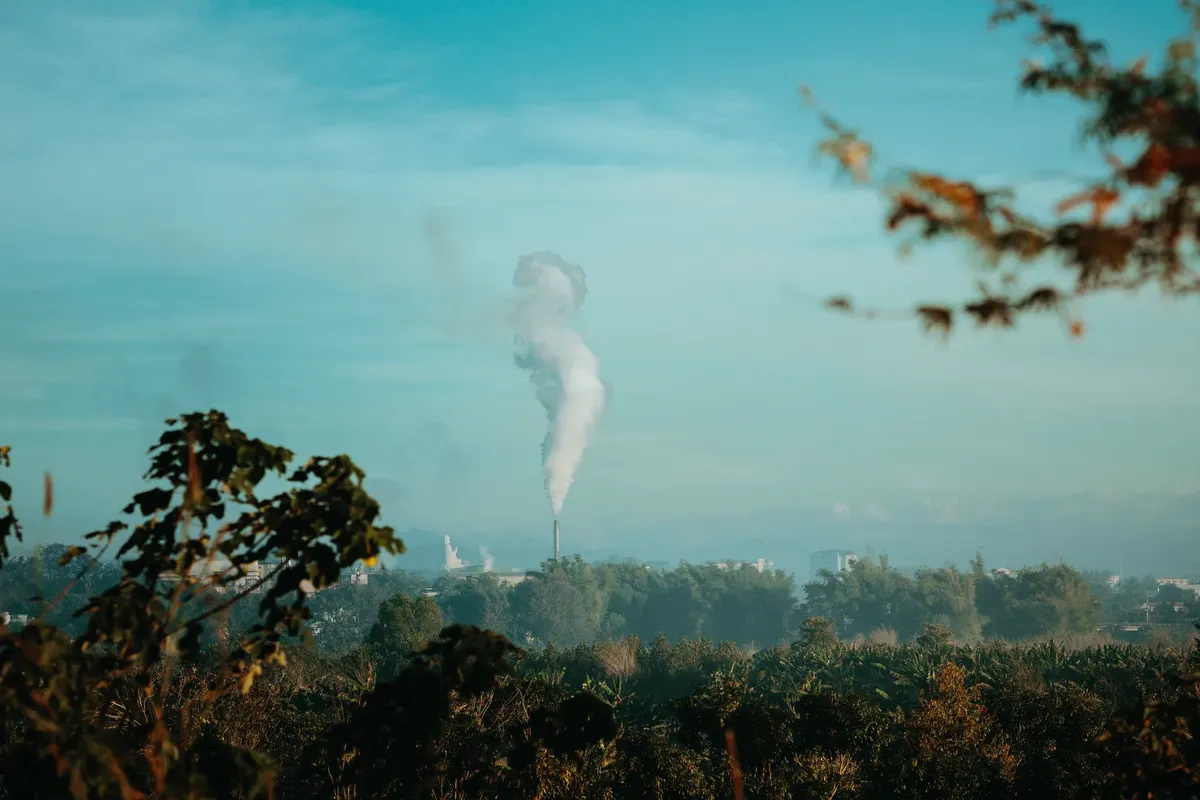
Key takeaways: * Historical herbicide use affected 17.8% of the total forested area. * Forest cover underwent massive fluctuations, dropping to lows before recent reforestation. * Coastal ecosystems, including mangroves and seagrass, faced significant depletion over the decades.
How did past environmental factors affect Vietnam land use?
A researcher examines an old map of the Vietnamese highlands, tracing the jagged lines where forests once stood tall. The history of the land is written in the soil and the scars left by past interventions.
The legacy of war significantly impacted the terrain, as 17.8% or 3.1 million hectares (31,000 km2; 12,000 sq mi) of Vietnam's total forested area was sprayed, and many of these contaminants remained in the environment for years after the war.
This massive scale of intervention created lasting changes in soil composition and vegetation patterns. Understanding these historical causes of Vietnam land use is essential to grasping why certain regions remain sensitive to modern development.
What were the major shifts in forest cover? Vietnam pollution land use history
A forester walks through a dense, young grove, comparing the thickness of the canopy to historical records. The changing density of the trees tells a story of rapid depletion and subsequent recovery.
Forest cover underwent dramatic changes over the 20th century, decreasing from about 43% in the early 1940s to 17% by the end of the 1970s. Some foreign analysts estimated forest cover was as low as 10% by 1999.

This period of decline represents a critical phase in the history of Vietnam land use shift.
How did coastal ecosystems change over time?
A biologist kneels by the water's edge, observing the receding tide and the fragmented remains of mangrove roots. The interface between land and sea shows the visible marks of environmental degradation.
Coastal ecosystems faced severe pressure, with key wetland ecosystems, such as mangrove forests, decreasing in area by 80% from 408,500 hectares to 83,288 hectares between 1943 and 2003.
Although the downward trend has since been reversed due to successful restoration policies, the loss remains significant. Additionally, in the past two decades, Vietnam's overall coastal seagrass area has decreased by 45.4%, with certain seagrass beds decreasing by 60% in size since 1999.
These shifts highlight the environmental impact Vietnam land underwent during rapid industrialization.
What is the current state of reforestation?
An environmental officer plants a sapling in a clearing, looking toward the horizon where new forests are emerging. The work of restoration is a direct response to the empty spaces left by previous generations.
According to World Bank data, Vietnam recorded renewable energy share of final consumption of 24.2% in 2021.
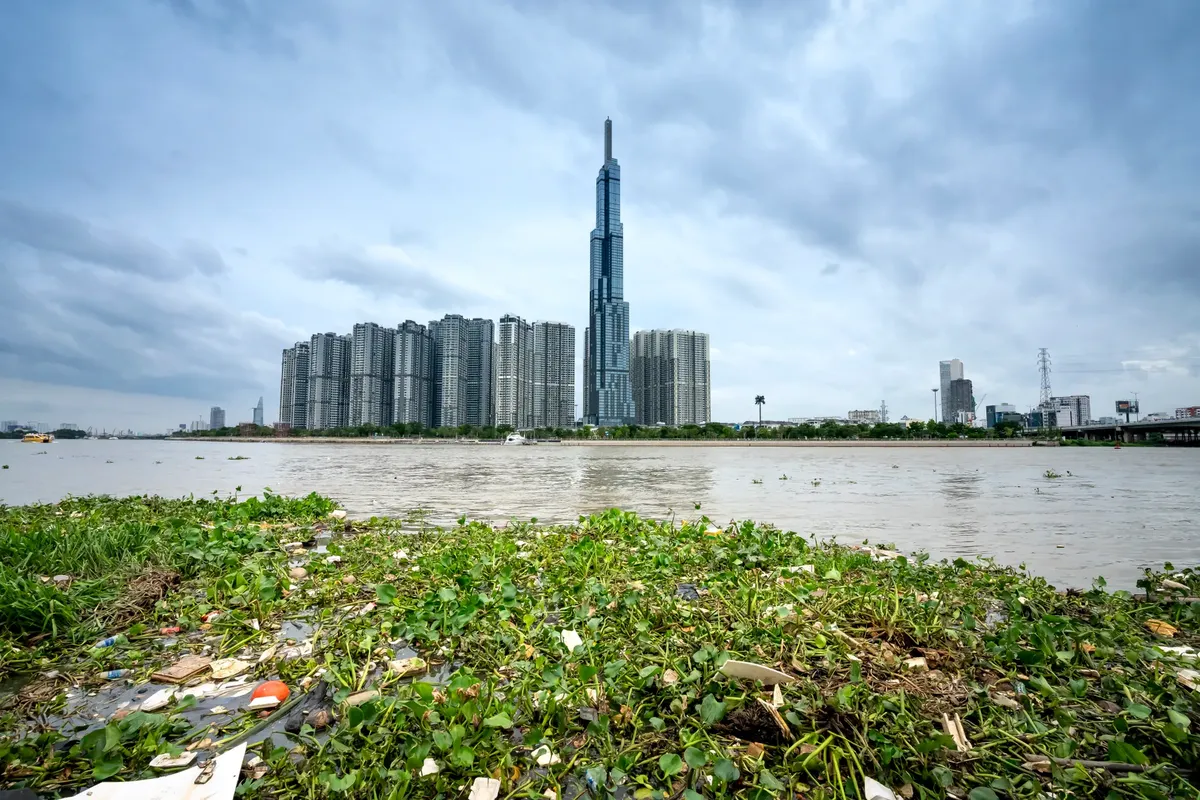
In the 21st century, Vietnam has shifted towards net reforestation, achieving 42% forest cover by 2020. This recovery marks a pivot from the heavy deforestation seen in the late 20th century.
The process of addressing the environmental impact Vietnam land underwent involves balancing new growth with the management of legacy contaminants.
How did temperature changes affect the environment?
A meteorologist reviews climate data, noting the steady rise in the thermometer's baseline over several decades. The warming trend is a quiet but persistent driver of change.
Since 1960, Vietnam's average annual temperature has increased by an estimated 0.5 to 3.4 °C, a rate faster than the global rate of increase. This warming trend influences how land is used and how ecosystems respond to new stressors.
The changing climate adds another layer of complexity to the environmental impact Vietnam land underwent throughout its history.
What are the specific challenges for marine life?
A diver surfaces from a clear patch of water, noting the sparse coral structures beneath the waves. The underwater landscape reflects the stresses of the changing environment above.
Marine biodiversity remains a concern, as in 2008, fewer than 1% of Vietnam's coral reefs had a live coral coverage of over 75%, while 31% of reefs had less 25% live coral coverage. These figures illustrate the fragility of the underwater environment.
The combination of historical land use changes and modern climate shifts continues to challenge the stability of these habitats.
- How did past environmental factors affect Vietnam land use?
- What were the major shifts in forest cover?
- How did coastal ecosystems change over time?
The subject here is Vietnam pollution land use history.
The same subject is also called Past factors Vietnam environment.
The same subject is also called Vietnam land use change history.
The same subject is also called Vietnam history land use shift.
This part also covers Pollution effect on Vietnam land.
This part also covers Vietnam development land change.
Historical causes Vietnam land use
Related





Comments 0