Vietnamese women political rise: 60% female population guide
"The struggle for equality is a marathon, not a sprint, requiring both institutional support and social shifts to bridge the gap between presence and power."
The Vietnamese women political rise involves navigating complex institutional frameworks to secure leadership roles. This process focuses on expanding representation through organizational strength and educational advancement.
Key takeaways include the role of specialized unions, the impact of professional sector growth, and the historical context of political mandates.
How has the Vietnamese women political rise shaped leadership?
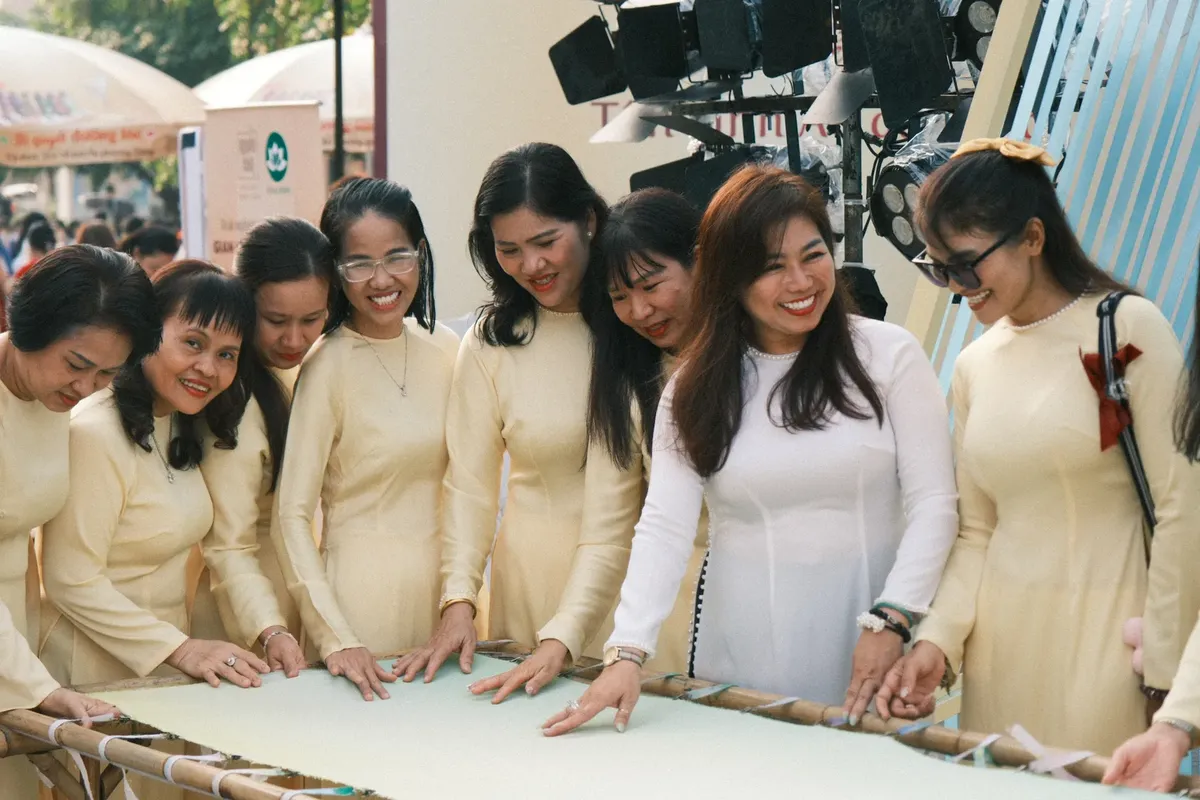
A conference held at the Center for Women’s Development in Hanoi on June 11, 2025, brought together various stakeholders to discuss historical legacies. The Vietnam Women’s Union and the Vietnam Journalists Association collaborated to organize this event.
This gathering highlighted how organizational structures facilitate female engagement in public life.
The Vietnamese women political rise is often driven by collective organizational efforts. The Vietnam Women’s Union maintains a significant presence, with membership expanding to 11 million as of 2000. This membership comprised 60% of the female population in Vietnam over the age of 18.
Women in Vietnamese politics have historically relied on these large-scale associations to navigate societal roles. These organizations provide a platform for collective voice and policy engagement. Such structures were vital in building a foundation for female leadership.
The history of women's leadership in the region shows a shift toward professionalized roles. As women entered more specialized fields, their influence on policy and social norms grew. This transition reflects a broader pattern of moving from domestic to public spheres.
What role does education play in female leadership Vietnam?
A student sits in a quiet library, surrounded by heavy volumes on political science and law. She knows that academic success is a prerequisite for entering high-level administrative roles. The pursuit of higher education serves as a primary vehicle for social mobility.
The expansion of female leadership is closely tied to academic achievement. In many regions, women's workforce participation has only increased in professional and administrative areas. This trend demonstrates increased participation in sectors that require higher education.
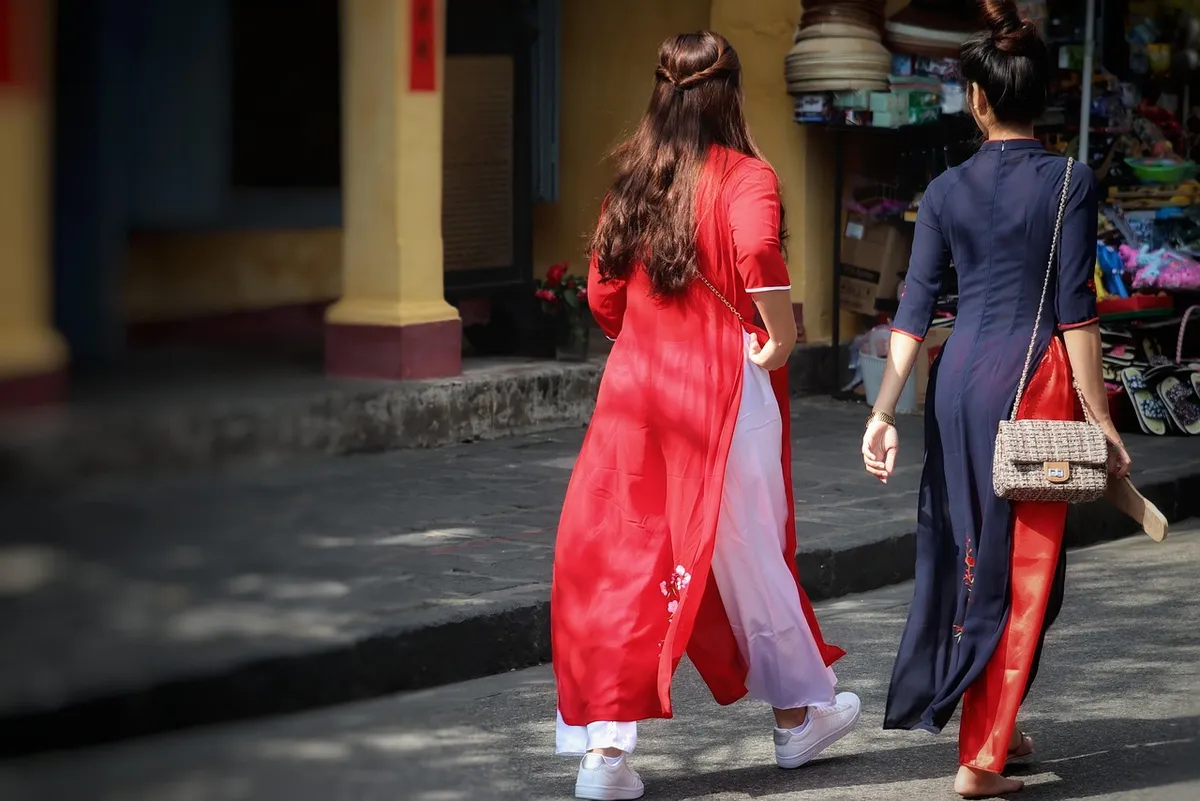
The development of female leadership in Vietnam is supported by these professional shifts. As more women attain advanced degrees, they move into roles that shape national policy. This educational foundation is essential for sustained political influence.
The expanding female representation in professional sectors creates a pipeline for future leaders. Higher education provides the technical expertise required for complex governance. This shift ensures that women are prepared for high-level decision-making.
How do institutional structures impact women's roles?
A policymaker reviews a document outlining job quotas and representation targets. The text details specific percentages required to ensure a balanced workforce. These regulations aim to bridge the gap between male and female participation in the public sector.
Institutional frameworks often set specific targets to encourage female participation. For instance, some resolutions have required women to hold a minimum of 35% of all jobs. Additionally, they required 50–70% of jobs in the educational sector to be held by women.
The Vietnamese women's role is frequently shaped by these formal mandates. While quotas provide a foothold, they also represent a structured approach to equality. These rules attempt to institutionalize female presence in the workforce.
The Vietnamese women's role remains subject to the specific goals of governing bodies. The Vietnamese Women's Association exists largely to increase the power of the Communist Party, so it is not always able to fully support women's interests.
This reality means leadership roles are often tied to political alignment.
What are the challenges in expanding female representation?

A woman looks at a list of political tasks, noting where her interests are ranked. She questions whether the focus on equality is a primary goal or a secondary concern. The tension between official policy and practical application remains a constant challenge.
One challenge involves the prioritization of gender equality within political agendas. When the Party Central Committee was asked to rank the ten "essential tasks of the revolution," it ranked equal rights for women as ninth.
This ranking suggests that gender equality may not always be a top-tier priority.
The process of expanding female representation can be slowed by such prioritization. If equality is ranked lower than other tasks, resource allocation may suffer. This can limit the effectiveness of leadership development programs.
The process of expanding female representation requires addressing these internal political hierarchies. Without high-level prioritization, progress can become stagnant. Leaders must work to move gender equality higher on the national agenda.
How can professional growth sustain social change Vietnamese women?
A professional woman manages a team in a modern office, navigating a high-stakes environment. She represents a new generation of leaders who entered the workforce through specialized expertise. Her success is a testament to the shift toward professionalized roles.
Social change driven by Vietnamese women is often a byproduct of professional success. As women occupy more administrative and professional roles, they influence social norms. This professionalization provides a stable base for political engagement.
The social change Vietnamese women lead is often reflected in the workforce. Increased participation in high-level sectors changes how society views female authority. This shift in perception is a key component of long-term social change.
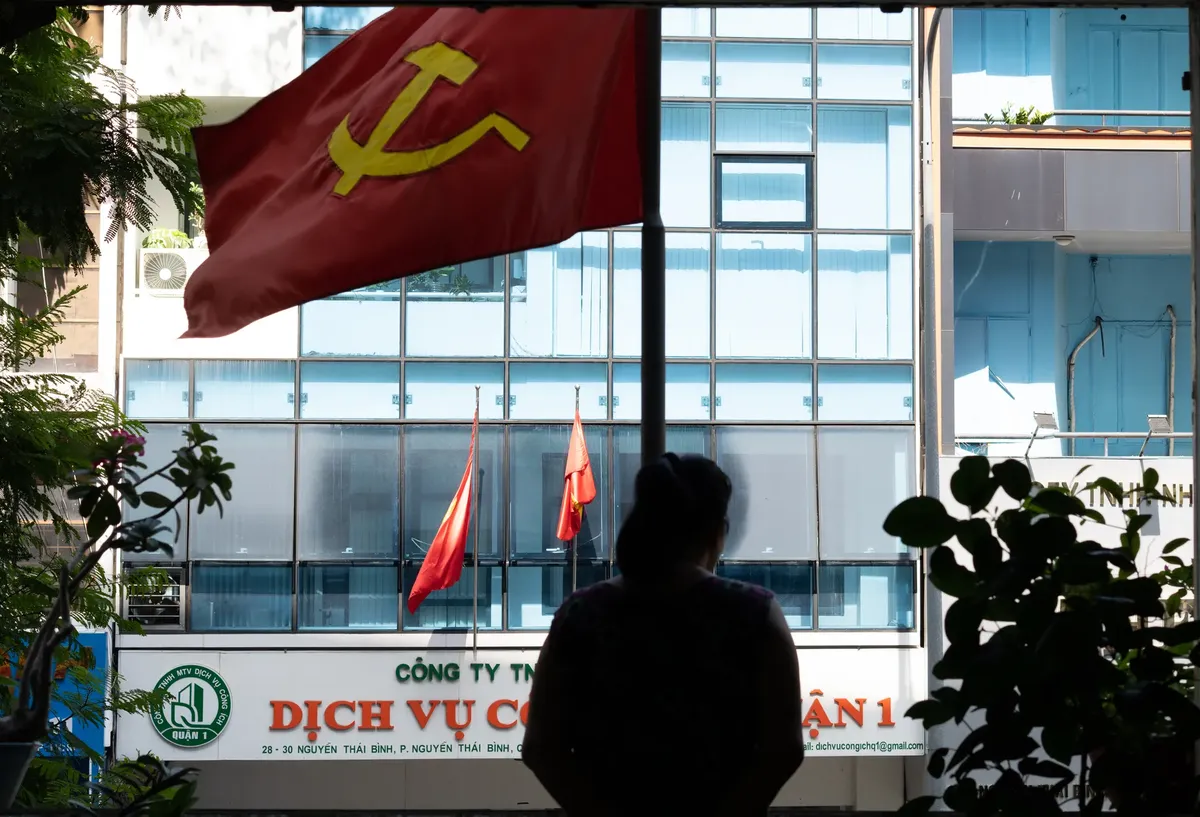
The social change Vietnamese women initiate is frequently tied to their economic and professional status. As they gain autonomy through professional roles, they can advocate for broader social rights. This cycle reinforces the importance of professional development.
Wikipedia: Woman Based on the retained excerpt mentioning OECD: While women account for more than half of university graduates in several OECD countries, they receive only 30% of tertiary degrees granted in science and engineering fields, and women account for only 25% to 35% of researchers in most OECD countries.
- How has the Vietnamese women political rise shaped leadership?
- What role does education play in female leadership Vietnam?
- How do institutional structures impact women's roles?
The same subject is also called Political participation women.
Related








Comments 0