Vietnam airline civilian shift: Tips for fleet expansion
"The transition from a state department to a commercial entity represents a fundamental shift in how a nation manages its skies."
This process focused on separating administrative oversight from commercial flight operations to foster growth.
Key takeaways include the early management of passenger volumes, the gradual separation from the CAAV, and the establishment of specialized training programs to support a growing fleet.
How did the early years of the Vietnam airline civilian shift look?
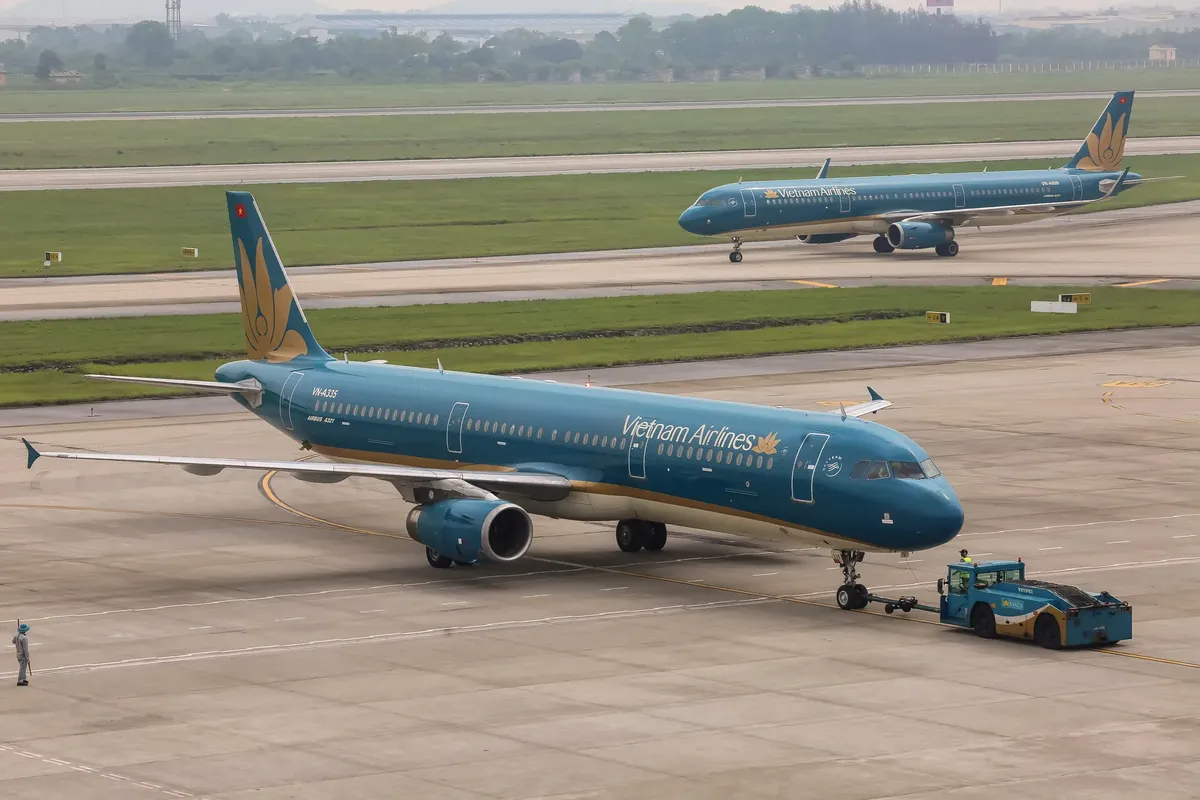
An officer once stood in a quiet terminal, looking over paper manifests that tracked the first movements of a transitioning fleet.
It carried around 21,000 passengers, with one-third of those travelers being on international flights, while also transporting 3,000 tonnes of cargo.
This period established the baseline for what would become a massive logistics network. The scale of these early flights provided the groundwork for future expansion into larger markets. As the company grew, the need for a more distinct identity became clear to those managing the fleet.
What happened during the 1993–1996 period?
A desk in a government office held documents transitioning from strictly military oversight to civil regulation.
According to the Civil Aviation Administration of Vietnam, the airline was still known as Civil Aviation Administration of Vietnam within the 1993–1996 period, even though it had gained some independence from the CAAV.
This era marked a period of dual identity where the company functioned as both a regulator and an operator.
The dual role created a unique environment for the Vietnam air company change. While the name suggested administrative oversight, the operational reality was shifting toward commercial viability. This overlap between regulation and service was a defining characteristic of the mid-90s.
According to World Bank, the 2024 record includes 84.2%.
How did the company expand its reach?
A pilot looked out over a runway, preparing for a long-haul flight that connected distant regions.
Additionally, the company held almost 99% of the low-cost carrier Pacific Airlines.
This expansion helped the state airline transformation reach diverse passenger segments. By managing both regional and low-cost models, the organization could cover various market needs. These ownership structures allowed for a more comprehensive presence across the domestic and regional skies.
How did the company address the need for trained pilots?
A student sat in a cockpit simulator, practicing the precise movements required for a safe landing.
The expectation for this program was that up to 100 trainees would graduate annually.
This initiative was a critical part of the Vietnam aviation sector change. Developing internal talent ensured that the growing fleet had a steady supply of qualified professionals. This proactive approach to training helped mitigate the risks associated with rapid fleet expansion.
What is the current ownership structure?
A shareholder reviewed a digital portfolio, noting the balance of power within the national carrier. As of September 2021, the State's stake in Vietnam Airlines is 86.34% and All Nippon Airways holds 5.62%, acting as a strategic shareholder of the national flag carrier.
This mix of state control and strategic partnership defines the modern era.
The stability of this ownership provides the capital necessary for ongoing modernization. While the state remains the primary stakeholder, international partnerships provide technical and strategic advantages. This balance supports the long-term goals of the national carrier.
How did the company manage its growth?
A manager tracked the rising number of passengers on a growing digital dashboard. The company's growth was marked by various phases, including periods where the government considered selling 20–30% of the airline's stake to outsiders while the government held the balance.
As reported by the General Department of Civil Aviation, the airline was known as General Department of Civil Aviation in Vietnam during that year and began full operations, carrying approximately 21,000 passengers and 3,000 tonnes of cargo.
This planning aimed to optimize the company's valuation and reach.
The process of managing these shifts required careful planning regarding equity and operational capacity. Each change in ownership or training capacity was designed to support the increasing volume of travelers.
The transition remains an ongoing process of balancing state interests with commercial demands.
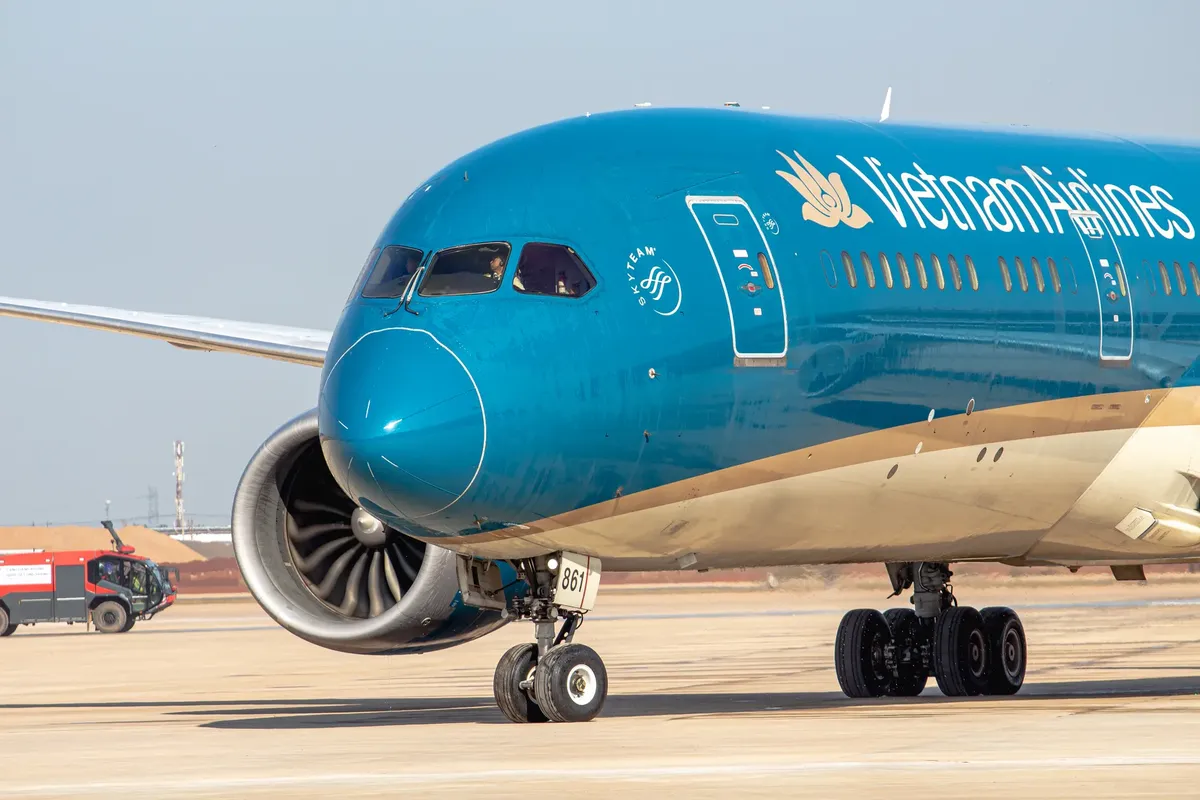
Wikipedia: Vietnam Airlines (full) Based on the retained excerpt mentioning Vietnam Air Service: It owns 100% of Vietnam Air Service Company – a regional airline in southern Vietnam and almost 99% of the low-cost carrier Pacific Airlines.
- How did the early years of the Vietnam airline civilian shift look?
- What happened during the 1993–1996 period?
- How did the company expand its reach?
The same subject is also called Military to civil airline.
The same subject is also called Aviation industry evolution.
This part also covers History of Vietnam air.
This part also covers Reorganization of state airline.
Related
- Vietnam public health challenges: How basic resources change
- How did past environmental factors affect Vietnam land use?







Comments 0