Vietnam economic reform impact: Why manage coastal health
Vietnam economic reform impact has fundamentally reshaped the nation's landscape, moving from intensive resource extraction toward a complex balance of industrial growth and ecological management. This shift involves navigating historical land degradation, rising temperatures, and the transition toward renewable energy. Key takeaways include the recovery of forest cover, the challenges of coastal ecosystem loss, and the management of agricultural waste.
How has the economic shift environment changed land use?
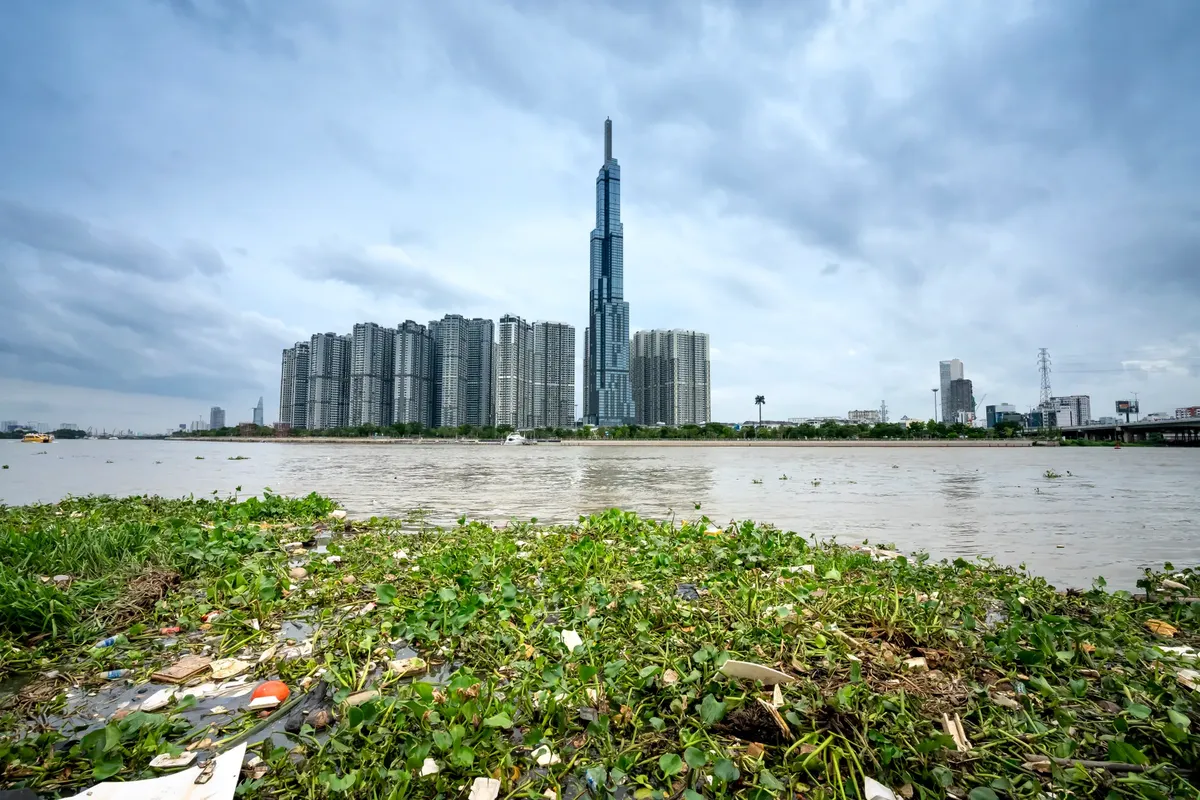
A farmer stands in a field where the soil texture has changed over decades of intensive cultivation. The transition from subsistence to market-driven agriculture has altered how land is managed across the country. As reported by ECOS, the real economic growth rate was 0.6% as of 2026Q2.
The shift in land use reflects a move from traditional farming to more intensive industrial and commercial applications. Historical data shows that forest cover decreased from about 43% in the early 1940s to 17% by the end of the 1970s.
Some foreign analysts estimated forest cover was as low as 10% by 1999. These changes were driven by rapid economic expansion and changing land management priorities.
Vietnam land use change has been a constant factor in the nation's development. While early decades saw significant deforestation, the 21st century brought a shift toward net reforestation. By 2020, the country achieved 42% forest cover.
This reversal indicates a growing recognition of the need to balance economic output with ecological stability.
What are the trends in Vietnam pollution history?
A worker at a processing plant monitors waste output, noting the residues left behind by industrial processes. The legacy of past activities continues to interact with modern waste management.
Pollution challenges are often tied to historical residues and modern waste disposal habits. For instance, 17.8% or 3.1 million hectares (31,000 km2; 12,000 sq mi) of Vietnam's total forested area was sprayed, and many of these contaminants remained in the environment for years after the war.

Managing these legacy contaminants remains a complex task for environmental planners.
In agricultural areas, waste disposal practices present ongoing questions. According to a survey result of 60 farmers in Hanoi, 17% of the surveyed farmers disposed of pesticide waste in garbage bins or pits, and another 17% collected the waste in batches and disposed of them into the garbage.
These localized practices highlight the need for better waste management infrastructure.
According to World Bank, the 2021 record includes 24.2%.
How do we understand the reform effect on land?
A coastal observer watches the tide recede from a shrinking mangrove forest. The tension between coastal development and natural protection is evident in the changing shoreline.
The reform effect on land is particularly visible in coastal and wetland regions. Key wetland ecosystems, specifically mangrove forests, decreased in area by 80% from 408,500 hectares to 83,288 hectares between 1943 and 2003.
Although this downward trend has since been reversed due to successful restoration policies, the loss remains a significant historical marker.
Coastal health also involves seagrass and coral reef stability. In the past two decades, Vietnam's overall coastal seagrass area has decreased by 45.4%, with certain seagrass beds decreasing by 60% in size since 1999.
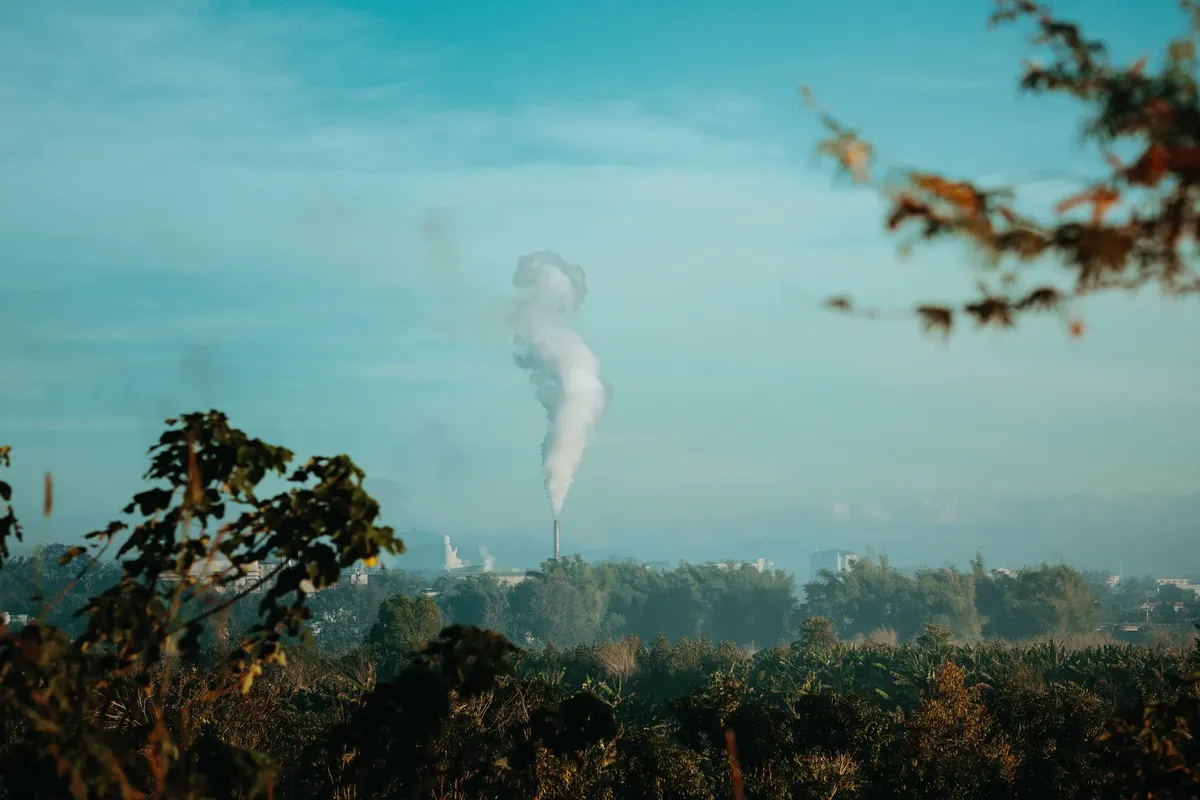
Furthermore, in 2008, fewer than 1% of Vietnam's coral reefs had a live coral coverage of over 75%, while 31% of reefs had less than 25% live coral coverage.
What is the status of Vietnam environmental policy evolution?
A scientist reviews temperature data on a digital screen, noting the steady upward trend. The policy response must account for a warming climate that affects all sectors.
Vietnam environmental policy evolution must address the reality of rising temperatures. Since 1960, Vietnam's average annual temperature has increased by an estimated 0.5 to 0.7 °C, a rate faster than the global rate of increase.
This warming trend poses a direct threat to both agricultural productivity and coastal stability.
Future planning requires looking at long-term projections. The average annual temperature is projected to increase such that by 2080, it will be 1 to 3.4 °C above the baseline temperature from 1985 to 2005.
Addressing these changes requires integrating climate resilience into economic development strategies.
How is renewable energy integrated into the economy?
An engineer inspects a solar panel installation designed to capture sunlight efficiently. The move toward cleaner energy sources represents a key component of modern economic strategy.
According to New Society, the challenge of complete recycling of non-renewable materials and wastes remains a critical issue.
The energy sector is undergoing a transition to mitigate the impacts of traditional power generation. According to World Bank data, Vietnam recorded a renewable energy share of final consumption of 24.2% in 2021.
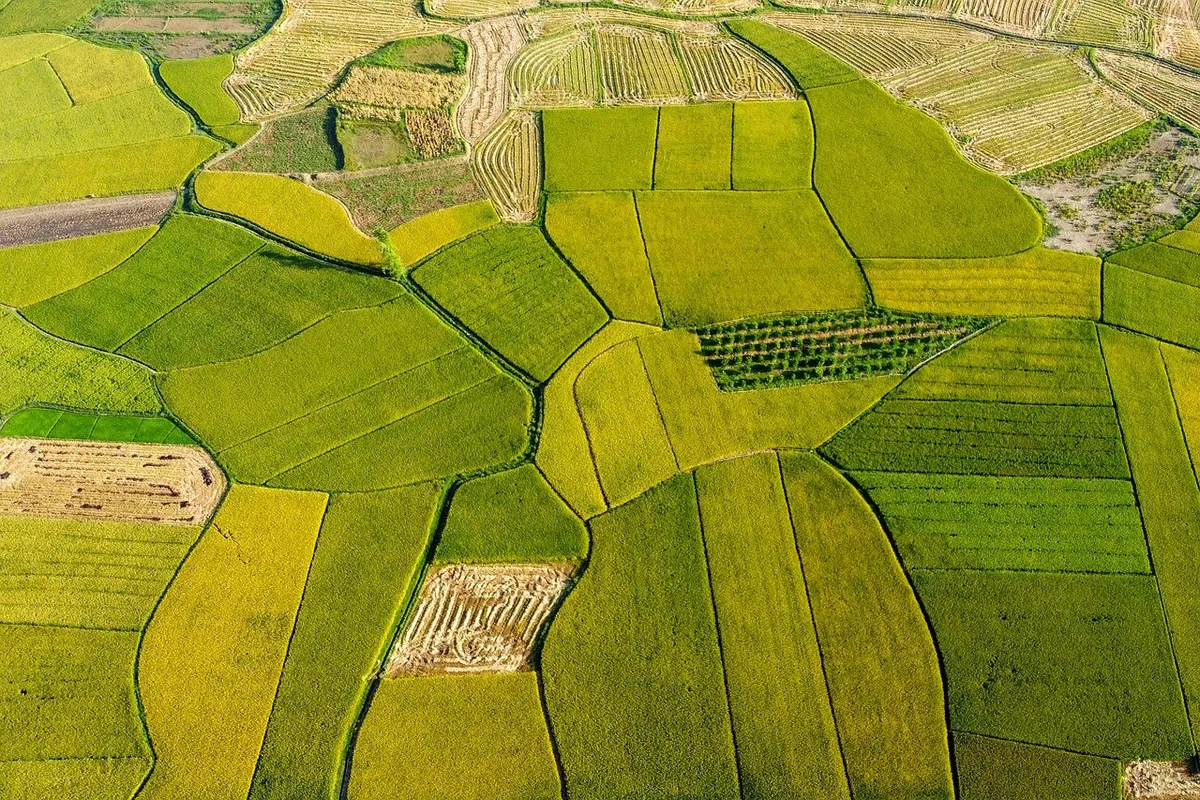
This indicates a growing portion of the energy mix is being derived from renewable sources.
Sustainable energy helps mitigate the environmental costs of growth. As the economy continues to expand, the ability to scale renewable technologies will determine the success of environmental management.
The integration of these technologies is a primary focus for maintaining long-term economic and ecological health.
- How has the economic shift environment changed land use?
- What are the trends in Vietnam pollution history?
- How do we understand the reform effect on land?
Related
- Vietnam history foreign policy: Guide to modern expansion
- VTV HD transition analysis: Why satellite systems offer best
What are the conditions for successful environmental management in Vietnam? Successful environmental management in Vietnam requires addressing the historical land degradation while simultaneously fostering industrial growth. The recovery of forest cover demonstrates a positive condition when ecological awareness meets economic necessity. Coastal ecosystem loss presents a persistent challenge that demands focused restoration efforts.
- Balancing economic output with ecological stability is a necessary condition for Vietnam's development trajectory. 2. The reversal of deforestation trends suggests that policy shifts can alter negative environmental conditions. 3. Addressing legacy contaminants remains a complex condition that environmental planners must manage.
How does the economic transition influence energy choices? The economic shift in Vietnam necessitates a move away from older power generation methods toward cleaner alternatives. The increasing share of renewable energy in final consumption reflects this strategic pivot. This transition is vital for mitigating the environmental costs associated with continued economic expansion.
The integration of renewable technologies is a primary focus for maintaining the long-term health of Vietnam's economy and its environment. This focus helps manage the impact of rising temperatures on agricultural productivity and coastal stability.
The renewable energy share indicates a tangible change in the nation's energy mix.







Comments 0